
Coral
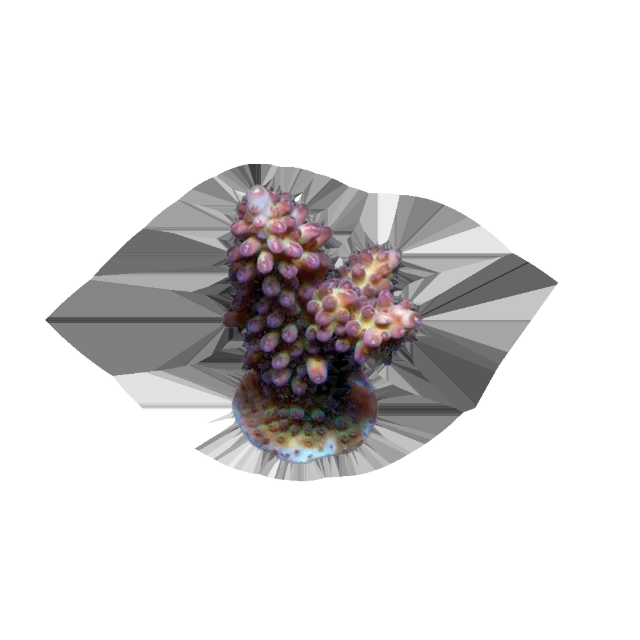
ORA Marshall Island Red & Green Tenuis Acropora
Acropora tenuisAcroporidaeSPS corals
Add from My tanks →1 photos
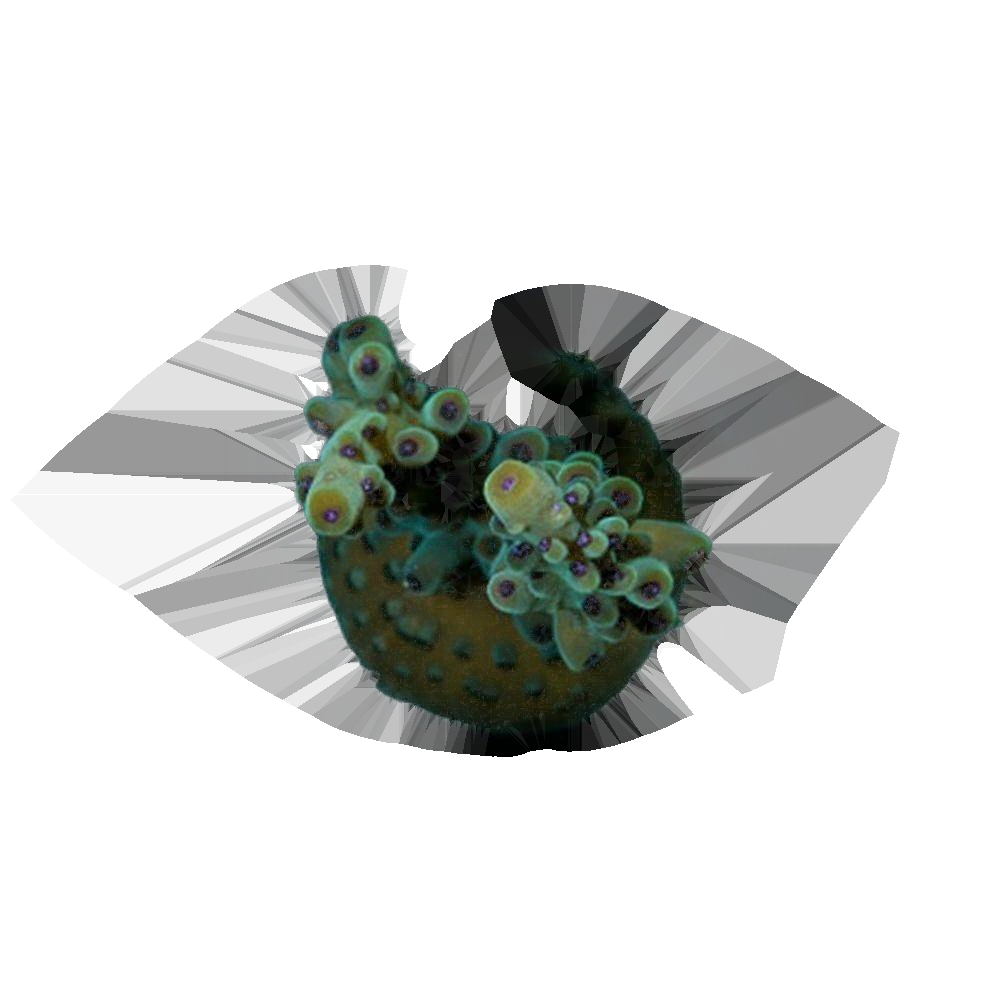
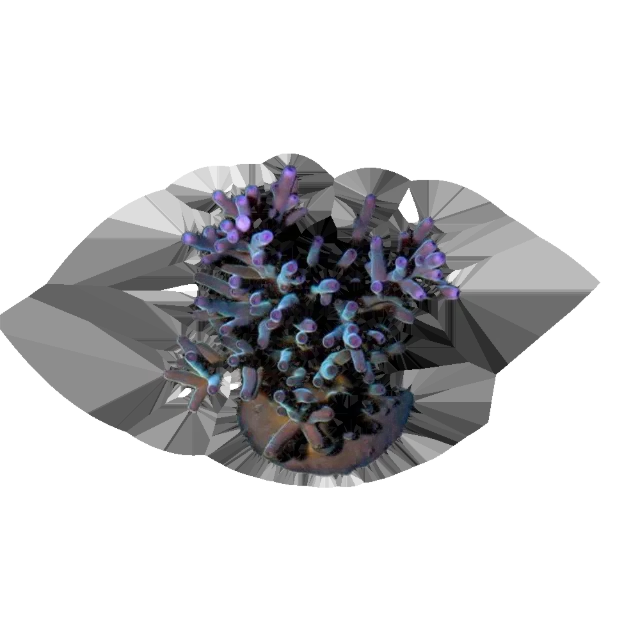
The ORA Marshall Island Red & Green Tenuis Acropora is a maricultured SPS coral grown in the Marshall Islands with vivid red and green coloration, excellent polyp extension, and a classic branching growth form. It thrives under strong lighting and high, turbulent flow, making it best suited for experienced reef keepers.
Quick facts
Handling caution: Branches are sharp and can cause cuts; some skin irritation possible from coral mucus
Identity
- Also known as
- Marshall Island Tenuis; Red and Green Bottlebrush Acropora
- Synonyms
- Madrepora tenuis
- Environment
- Saltwater
- Native to
- Indo-Pacific, Marshall Islands, Great Barrier Reef, Red Sea
- Habitat
- Shallow reef flats and upper reef slopes with strong water movement and intense light, typically less than 20 feet deep
- Sourcing
- Both
- Conservation
- Near Threatened
Care
- Care level
- Difficult
- Coral type
- SPS
- Temperament
- Peaceful
- Growth form
- Branching
- Adult size
- 1 – 12 in (2.5 – 30 cm)
- Spread
- 12 in (30 cm)
- Growth rate
- Moderate
- Placement
- High
Water
- Temperature
- 76 – 80 °F (24 – 27 °C)
- pH
- 8.1 – 8.4
- dKH
- 8 – 12 dKH
- Salinity
- 1.025 – 1.026 SG
- PAR
- 250 – 450 PAR
- Flow
- High
- Light
- High
Reef care
- Nutrient preference
- Low
- Alk/Ca uptake
- High
- Target feeding
- Beneficial
- Give it room
- 3 in (7.6 cm)
- Colors
- Red, Green, Blue, Multicolor
Feeding & breeding
- Diet
- Photosynthetic
- Foods
- Zooplankton, Phytoplankton, Coral food
- Propagation
- Fragging
Something wrong or missing? Submit a correction
Care guide
Overview
Red branch tips fade into green bases, giving a two-toned bottlebrush colony typical of Marshall Islands broodstock. It is a fast-encrusting SPS best suited to mature systems with intense, stable lighting and strong turbulent flow. Keepers should watch alkalinity and calcium closely, as this tenuis line responds quickly to swings with tissue loss.
Care
Acropora tenuis is a shallow-water branching acro that demands intense, stable lighting and strong, turbulent flow to color up and grow well. It is best kept in a mature, well-established tank since it reacts poorly to swings in alkalinity, calcium, and temperature, sometimes crashing overnight with no obvious warning (rapid tissue necrosis). New frags should be light-acclimated gradually over several weeks by starting them lower in the tank and moving them up as they adjust. Consistent dosing and frequent testing of alkalinity and calcium are more important with this species than with most other corals.
Placement & acclimation
Mount frags securely on rock or a frag plug in an area with high, indirect turbulent flow and strong lighting near the top of the tank. New colonies should be acclimated to light gradually over two to four weeks, starting in a dimmer position and slowly moving upward to avoid bleaching. Once positioned, avoid moving the coral frequently since it is sensitive to changes in flow and light exposure.
Feeding
Most of its nutrition comes from photosynthesis via zooxanthellae, but supplemental feeding of fine zooplankton, amino acids, and coral foods can boost polyp extension and coloration. Feeding is optional rather than required, and stability of water parameters matters more for long-term health than any particular feeding regimen. Target feeding with a turkey baster during low-flow periods can be used occasionally without much added benefit.
Neighbors
Give this coral generous clearance from neighboring corals, especially aggressive LPS such as torch, elegance, or chalice corals, since sweeper tentacles and rapid branch growth can lead to stinging contact. A few inches of open space is usually enough with other SPS like Montipora or Pocillopora, though growth should be monitored over time. It pairs well in mixed SPS displays with similar lighting and flow requirements.
Fragging
Fragging is done by cutting healthy branches with a bandsaw, coral cutters, or shears and mounting the fragments on plugs or rock rubble with cyanoacrylate glue or epoxy. Frags should be kept in stable, lower-flow conditions for the first days to allow tissue to recover and begin encrusting onto the new base. Established colonies used for propagation should be well-fed and under proven-stable water conditions to minimize stress from cutting.
Pests & problems
Sudden tissue loss, often called rapid tissue necrosis, is the most notorious issue with this species and is usually linked to unstable water chemistry rather than a single identifiable cause. Bleaching from excessive or poorly acclimated lighting is another common problem, showing as pale or washed-out branch tips. Acropora-eating flatworms, red bugs, and Montipora-eating nudibranchs can also target this coral and should be checked for regularly.
Sources
More SPS corals
Something wrong or missing? Submit a correction
In the community
Popular tanks using ORA Marshall Island Red & Green Tenuis Acropora
No public tanks are showcasing ORA Marshall Island Red & Green Tenuis Acropora yet.