
Coral
ECC Luminescence Anacropora
Anacropora sp.AcroporidaeSPS corals
Add from My tanks →1 photos
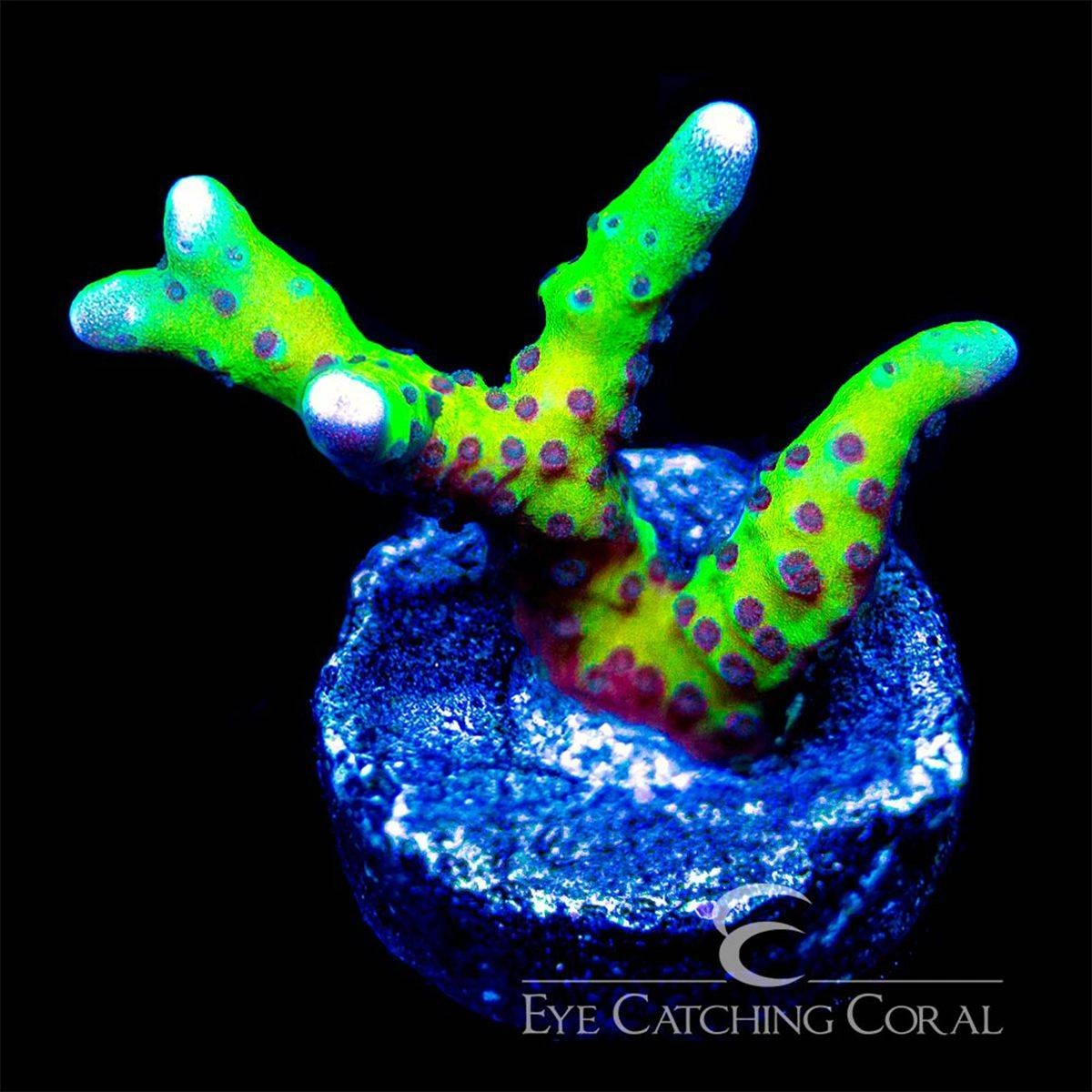
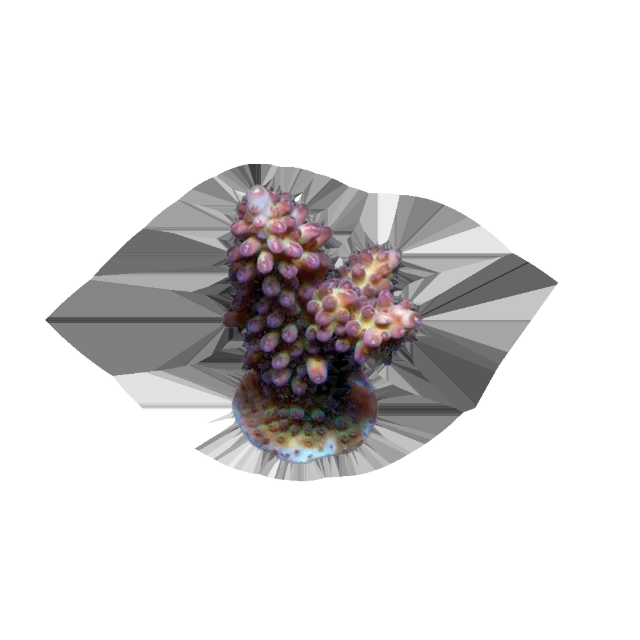
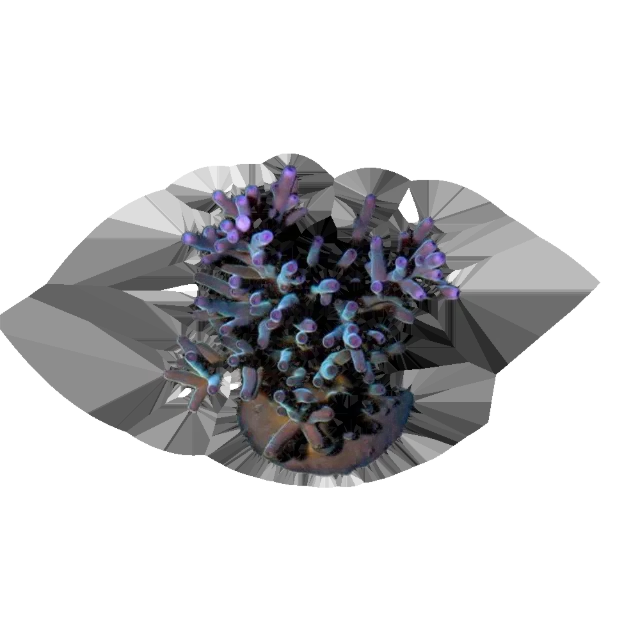
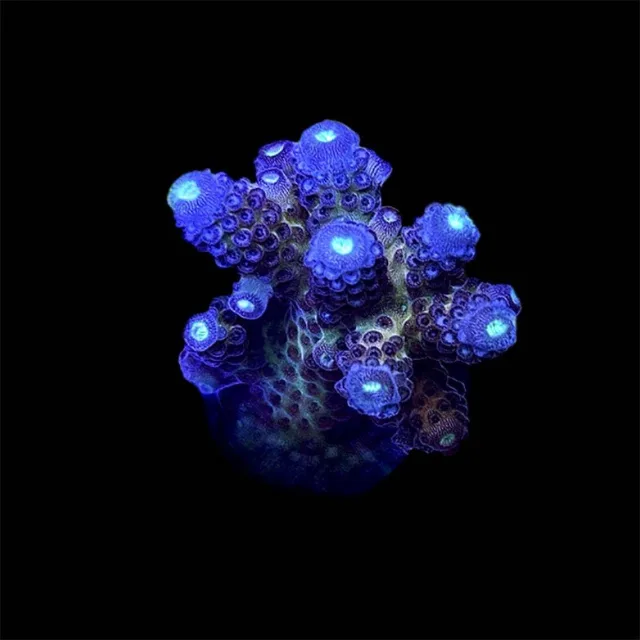
A fast-growing SPS coral with vivid neon green branches covered in contrasting red polyps; shares Acropora-like care needs but is more forgiving, thriving under strong lighting and flow where it can grow into a large branching colony.
Quick facts
Handling caution: Skeleton is thin and brittle and can cut skin if handled carelessly
Identity
- Also known as
- Briar coral; Neon Green Anacropora
- Environment
- Saltwater
- Native to
- Fiji, Tonga, Solomon Islands, Indonesia, Great Barrier Reef (Australia)
- Habitat
- Shallow lagoons and reef flats with soft substrates and turbid, nutrient-tolerant water
- Sourcing
- Aquacultured
- Conservation
- Not Evaluated
Care
- Care level
- Moderate
- Coral type
- SPS
- Temperament
- Peaceful
- Growth form
- Branching
- Adult size
- 1.5 – 12 in (3.8 – 30 cm)
- Spread
- 18 in (46 cm)
- Growth rate
- Fast
- Placement
- Middle, High
Water
- Temperature
- 76 – 80 °F (24 – 27 °C)
- pH
- 8.1 – 8.4
- dKH
- 7.5 – 12 dKH
- Salinity
- 1.025 – 1.026 SG
- PAR
- 100 – 300 PAR
- Flow
- Moderate-High
- Light
- Medium
Reef care
- Nutrient preference
- Medium
- Alk/Ca uptake
- High
- Target feeding
- Beneficial
- Give it room
- 6 in (15 cm)
- Colors
- Green, Cream, Brown
Feeding & breeding
- Diet
- Photosynthetic
- Foods
- Coral food, Zooplankton, Phytoplankton
- Propagation
- Fragging
Something wrong or missing? Submit a correction
Care guide
Overview
ECC Luminescence Anacropora is a branching SPS colony with neon green tissue and red-tipped polyps along each branch. Like other Anacropora it grows fast, forgives minor water quality swings better than Acropora, and needs open placement with strong flow to develop full, dense branching.
Care
Anacropora is often recommended as a stepping stone into SPS keeping, sitting between Montipora and Acropora in difficulty. It tolerates minor swings in alkalinity, calcium, and nutrient levels better than most small polyp stony corals, and it does reasonably well even in systems with slightly elevated nitrate and phosphate. The skeleton is delicate and brittle, so placement should avoid areas where the branches can be knocked by fish, powerheads, or maintenance tools. Because growth is rapid, regular monitoring of alkalinity, calcium, and magnesium is important to keep pace with skeletal deposition.
Placement & acclimation
Mount frags on a stable rock or plug in an open area with room to spread, since this species tends not to fuse strongly to its base and can shift if flow is too strong. Acclimate new colonies starting near 100 PAR and increase gradually over several weeks toward the target range to prevent bleaching. Elevated placement with strong but not turbulent flow generally produces the best branch density and coloration.
Feeding
Most nutrition comes from photosynthesis via its zooxanthellae, but supplemental feeding of fine zooplankton or coral foods can support faster growth and denser branching. Broadcast feeding in the tank at night, when polyps extend fully, tends to work better than direct target feeding on the fragile branches. Stable trace elements and dissolved nutrients also feed the colony indirectly by supporting a healthy symbiotic algae population.
Neighbors
Give colonies generous clearance from neighboring corals since the fast horizontal growth can quickly encroach on adjacent frags and the branches are too fragile to compete physically. Anacropora is not particularly aggressive with sweeper tentacles, but nearby corals with long sweepers or stinging capability can damage its thin tissue. Fish that peck at coral tips or bulldoze rockwork are a greater risk to this species than to sturdier SPS.
Fragging
Colonies frag readily by cutting branches with a coral saw or shears once the colony has established a healthy growth pattern. Fragged pieces can be mounted directly onto plugs or rubble and typically encrust and resume branching within a few weeks under stable conditions. Because the skeleton is thin, cuts should be made cleanly to minimize tissue damage and reduce the chance of infection at the cut site.
Pests & problems
Bleaching can occur if a frag is moved into high light too quickly, so gradual acclimation over two to three weeks is recommended for new additions. The brittle branches are prone to breakage during shipping, aquascaping, or fragging, and broken tips can lead to tissue recession if flow or water quality is poor. Watch for typical SPS pests such as red bugs, flatworms, and Acropora-eating nudibranchs, though Anacropora is less commonly targeted than true Acropora.
Sources
Varieties in the catalog
More SPS corals
Something wrong or missing? Submit a correction
In the community
Popular tanks using ECC Luminescence Anacropora
No public tanks are showcasing ECC Luminescence Anacropora yet.