LPS Corals
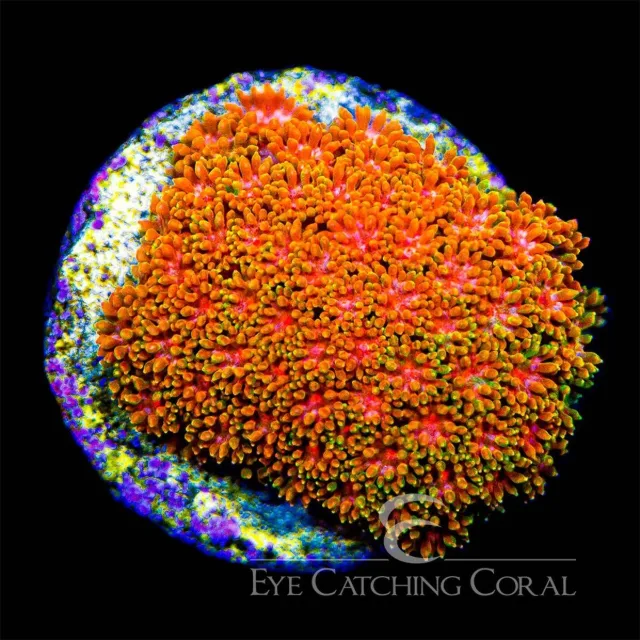
Large Green Goniopora/Flower Pot Coral
Goniopora sp.PoritidaeFlowerpot corals
Price: $63.45 USD
Add from My tanks →1 photos
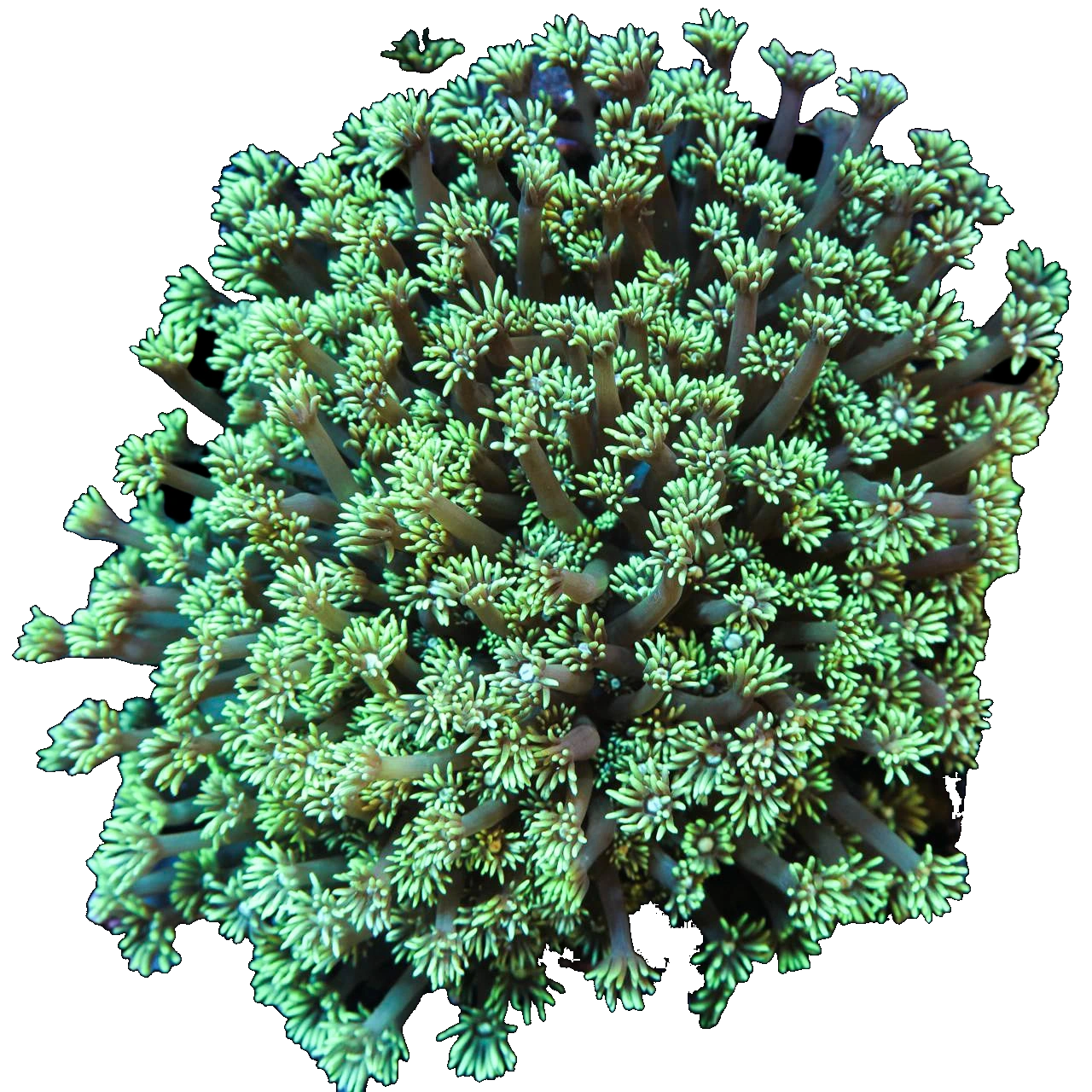
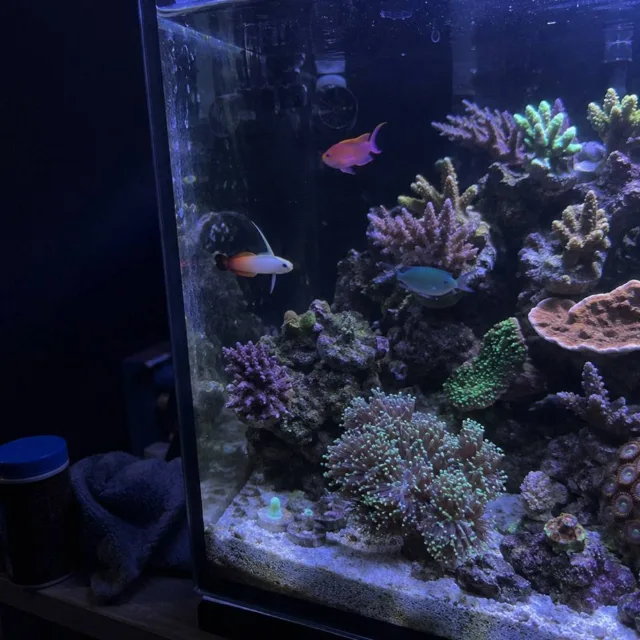
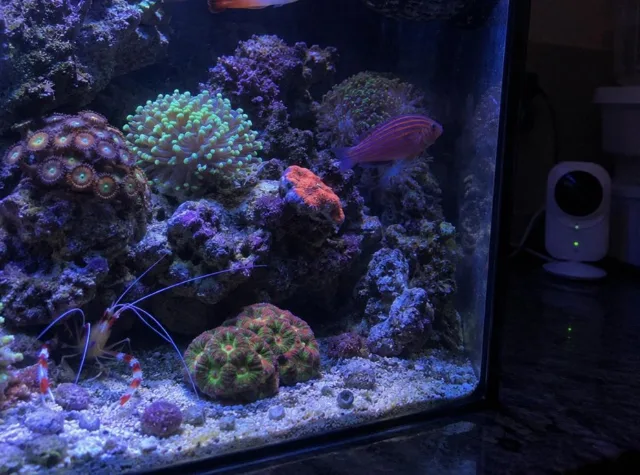
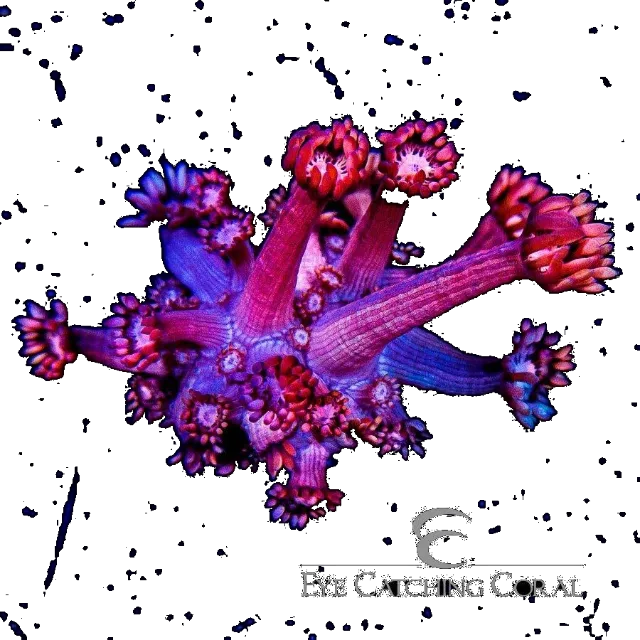
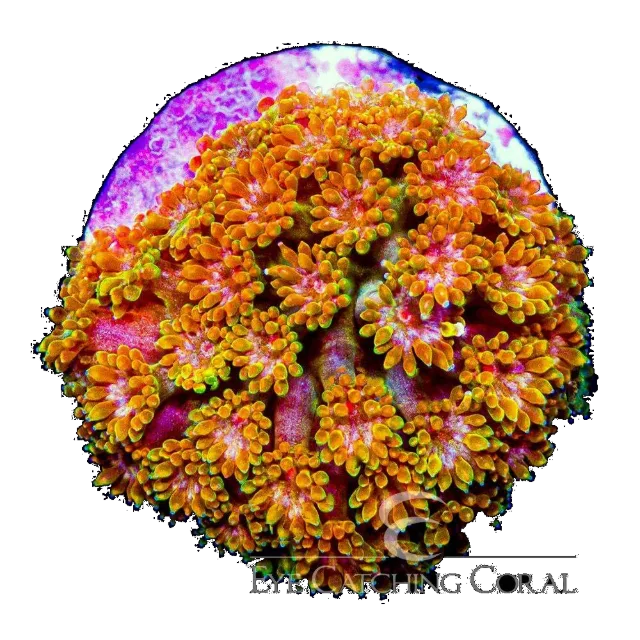
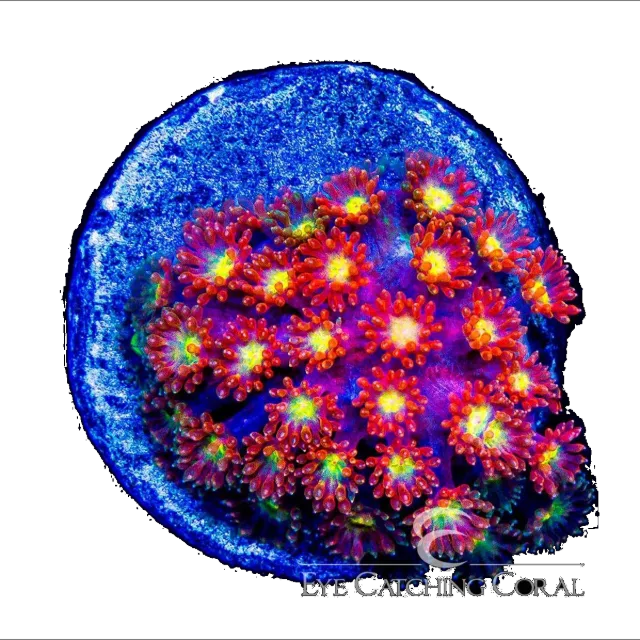
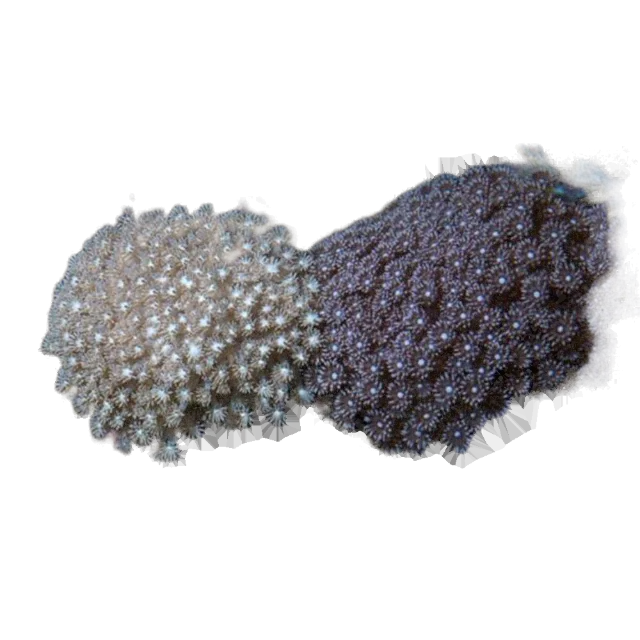
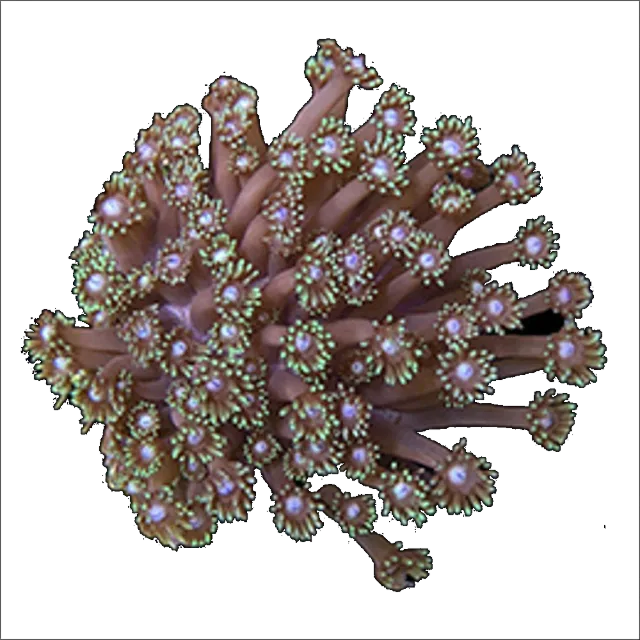
The Flower Pot Coral (Goniopora), also called the Daisy, Ball, or Sunflower Coral, showcases captivating blue and purple coloration with mesmerizing movement, resembling a bouquet of flowers when its polyps fully extend. It is moderate-care, needing moderate lighting and water flow, calcium and trace elements, and adequate space since its extendable polyps can sting neighbors; zooxanthellae provide most nutrition, supplemented by micro-plankton or brine shrimp.
Quick facts
Identity
- Also known as
- Daisy Coral; Ball Coral; Sunflower Coral; Flowerpot Coral
- Synonyms
- Bernardpora stutchburyi (some "micro goniopora" trade forms)
- Environment
- Saltwater
- Native to
- Indo-Pacific, Red Sea, Great Barrier Reef
- Habitat
- Lagoon patch reefs and reef flats, usually rooted in sand or rubble in areas with steady, gentle current and moderate light
- Sourcing
- Both
- Conservation
- Not Evaluated
Care
- Care level
- Difficult
- Coral type
- LPS
- Temperament
- Semi-Aggressive
- Growth form
- Massive
- Adult size
- 2 – 8 in (5.1 – 20 cm)
- Spread
- 12 in (30 cm)
- Growth rate
- Slow
- Placement
- Low, Sand bed
Water
- Temperature
- 75 – 81 °F (24 – 27 °C)
- pH
- 8.1 – 8.4
- dKH
- 8 – 12 dKH
- Salinity
- 1.023 – 1.026 SG
- PAR
- 75 – 150 PAR
- Flow
- Low-Moderate
- Light
- Medium
Reef care
- Nutrient preference
- Medium
- Alk/Ca uptake
- Medium
- Target feeding
- Required
- Give it room
- 6 in (15 cm)
- Colors
- Green, Red, Orange, Pink, Purple, Yellow, Brown, Multicolor
Feeding & breeding
- Diet
- Photosynthetic
- Foods
- Coral food, Phytoplankton, Zooplankton, Frozen
- Propagation
- Fragging
Something wrong or missing? Submit a correction
Care guide
Overview
Polyps extend on long stalks and sway steadily in gentle current, giving the colony a bouquet-like movement that continues through daylight hours. This green form is offered at a larger size, filling more of a mid or low reef placement. Moderate light and flow suit it, with calcium, alkalinity, and trace elements kept stable and supplemental feeding of fine plankton required for long-term health.
Care
Goniopora carries a reputation for wasting away in captivity, a problem seen mostly in wild-collected colonies rather than aquacultured frags, which have a much better track record of long-term survival. Success depends on very stable calcium, alkalinity, and magnesium, along with measurable but modest nitrate and phosphate rather than an ultra-low nutrient system. Give it moderate, indirect flow so the polyps sway rather than thrash, and moderate light in the 75-150 PAR range, acclimating slowly since both bleaching and browning out are signs of the wrong intensity. Choose a captive-propagated colony whenever possible and be prepared to watch it closely for the first few months in a new tank.
Placement & acclimation
Acclimate light slowly over several weeks when introducing a new frag, starting in the lower half of the tank and moving it upward gradually if more light is desired. Mount on stable rockwork or set directly on a sand bed in the lower to middle part of the tank, leaving ample clearance on all sides for polyp expansion.
Feeding
Although it carries zooxanthellae and gets some energy from light, Goniopora is a more demanding feeder than most LPS and tends to decline without supplemental nutrition. Target feed fine planktonic foods such as phytoplankton, rotifers, or fine coral preparations several times a week, ideally with flow paused briefly afterward so the polyps have time to capture the particles. Broadcast feeding fine foods into the tank at night also works well since the polyps stay extended and can catch drifting particles passively.
Neighbors
Its extended tentacles reach well past the skeleton and can sting close neighbors, so give it generous open space even though it is not considered a strongly aggressive coral. It lacks the long sweeper tentacles seen in Euphyllia and is generally regarded as one of the calmer LPS in terms of neighbor interaction. Avoid placing small polyp stony corals nearby since their tissue is easily irritated by contact with Goniopora's fleshy polyps.
Fragging
Colonies are fragged by cutting the calcareous skeleton with a diamond band saw or similar wet-cutting tool, then dipping the cut piece in an iodine-based solution and a stress-reducing coral dip before returning it to stable water. Frags are best allowed to heal in low-flow, dim conditions for several days before being moved to their permanent display spot.
Pests & problems
Polyps that stay retracted into the skeleton for extended periods signal stress, often from unstable parameters, insufficient feeding, or trace element deficiencies such as manganese or iodine. An iodine dip followed by a few days of stability can help a struggling colony recover before tissue loss becomes irreversible. Watch for recession at the base of the skeleton, tissue that fails to reinflate at night, or algae growth on bare skeleton, all of which point to a colony in decline.
Sources
Varieties in the catalog
Something wrong or missing? Submit a correction
In the community