
Aquatic Plant
Cryptocoryne Parva
Cryptocoryne parvaAraceaeCrypts
Price: $26.99 USD
Add from My tanks →1 photos
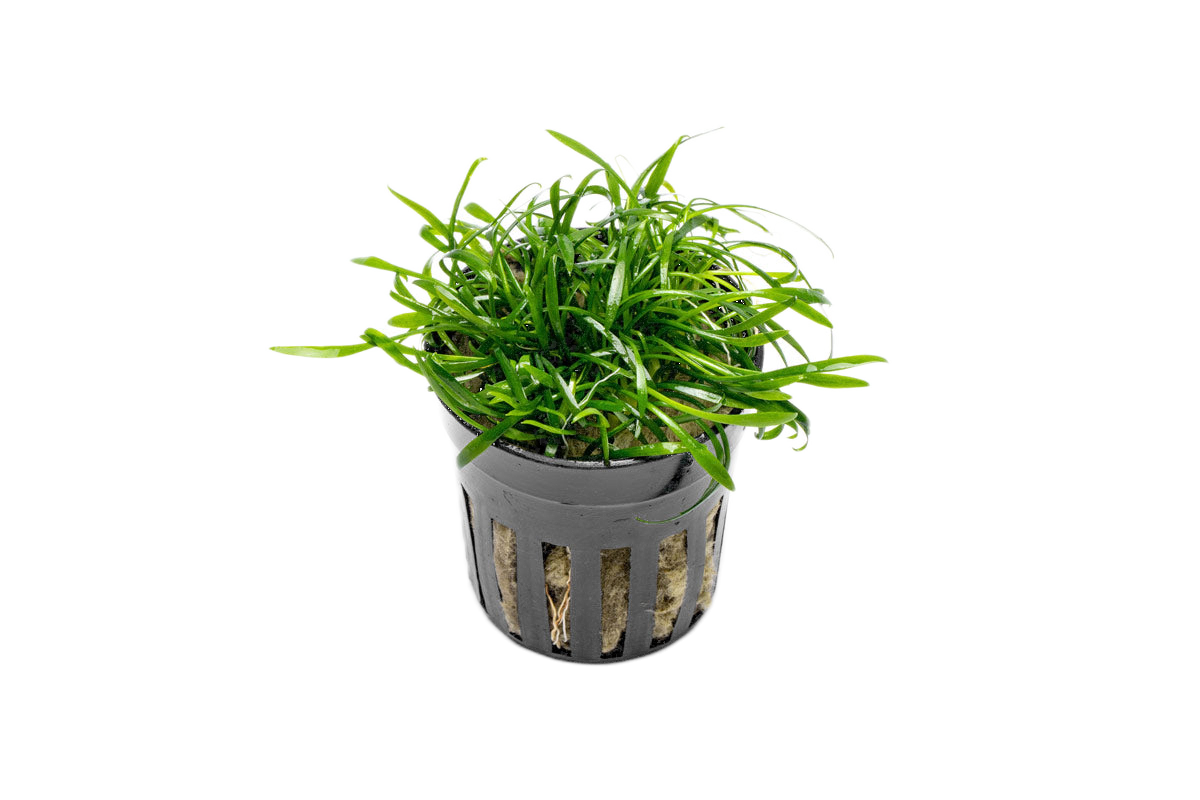
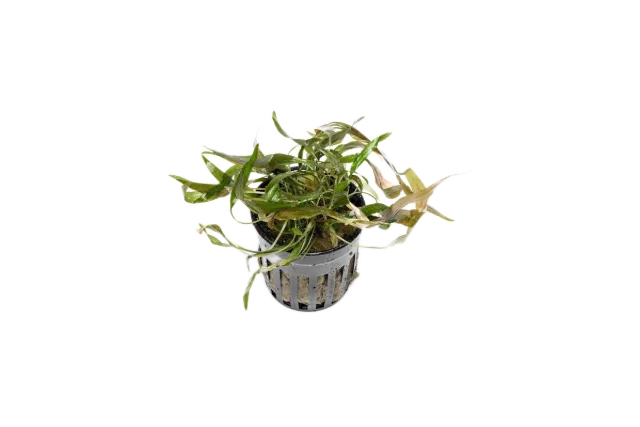
Cryptocoryne parva, native to the central highlands of Sri Lanka, is the smallest species in the Cryptocoryne genus with slender, blade-like leaves just a few inches tall. A bulletproof miniature carpet that forms slowly in the foreground under almost any light level; sensitive to sudden parameter shifts.
Quick facts
Identity
- Also known as
- Tiny Crypt; Dwarf Crypt
- Synonyms
- Cryptocoryne parva de Wit
- Environment
- Freshwater
- Native to
- Sri Lanka
- Habitat
- Shallow streams and seasonally flooded areas in the central highlands of Sri Lanka, often growing on rocky or gravelly substrate in slow-moving, clear water.
- Sourcing
- Both
- Conservation
- Not Evaluated
Care
- Care level
- Easy
- Growth form
- Rosette
- Max height
- 1 – 3 in (2.5 – 7.6 cm)
- Spread
- 3 in (7.6 cm)
- Growth rate
- Slow
- Placement
- Foreground, Carpet
Water
- Temperature
- 72 – 82 °F (22 – 28 °C)
- pH
- 6.0 – 7.5
- GH
- 1 – 15 dGH
- dKH
- 1 – 10 dKH
- Flow
- Low-Moderate
- Light
- Medium
- CO₂
- Beneficial
Planting
- Substrate
- Nutrient-rich preferred
- Feeds from
- Roots
- Fertilizer needs
- Medium
- Colors
- Green
Feeding & breeding
- Propagation
- Runners, Rhizome division, Splitting
Something wrong or missing? Submit a correction
Care guide
Overview
Foreground-carpet enthusiasts favor this species for patient, low-disturbance setups where a slow, tidy lawn is the goal rather than quick coverage. Rosettes of narrow green blades rarely top three inches, and the plant needs sturdier light than most crypts to avoid pale, thin growth. Expect occasional melt after transplanting, with recovery given stable water.
Care
Cryptocoryne parva is the smallest species in the genus, forming a tight rosette of slender, blade-like leaves that rarely exceeds two to three inches under water. It tolerates a wide swing of water parameters once established but reacts poorly to sudden changes, sometimes shedding leaves after transplanting or a big water change (so-called crypt melt), after which it recovers on its own given stable conditions. Unlike most other crypts, it needs comparatively strong light to prevent the leaves from becoming pale and thin, so it should never be planted where taller neighbors can shade it out.
Planting & trimming
Plant individual crowns a couple of centimeters apart directly into the substrate, burying only the roots and keeping the rhizome and crown above the substrate line to avoid rot. It spreads slowly by runners, and a cohesive lawn-like carpet typically takes around six months to form, so patience and minimal disturbance are more useful than heavy trimming. Because it grows so slowly, maintenance mostly consists of removing the occasional dead leaf rather than regular pruning.
Fertilizing
Root feeding matters more than water column dosing for this plant, so tucking root tabs or a nutrient-rich substrate layer beneath the rosettes noticeably speeds up development. Iron and potassium should be kept at reasonably high levels, since deficiency here tends to show up as chlorotic, holey leaves. Liquid fertilization in the water column offers some benefit but is secondary to what the roots pull from the substrate.
Propagation
Propagation occurs through lateral shoots and runners produced along the rhizome, which can be separated once they have developed their own root systems and left undisturbed to fill in a carpet. Growth is faster and more prolific when the plant is cultivated emersed, so paludarium-style setups or emersed propagation trays can speed up multiplication before submerged planting. Division of an existing clump into individual plantlets is also straightforward once a colony is established.
Problems
New transplants sometimes lose most of their leaves within days of introduction, a stress response commonly called melt that is rarely fatal if the rhizome and roots stay intact. Deficiencies in iron or potassium show up as yellowing or perforated leaf tissue and are corrected by supplementing the substrate. Because growth is naturally slow, algae can become an issue on the small leaves if lighting is too strong relative to nutrient balance, so light and fertilization should be adjusted together.
Sources
More Crypts
Something wrong or missing? Submit a correction
In the community
Popular tanks using Cryptocoryne Parva
No public tanks are showcasing Cryptocoryne Parva yet.