
Marine Invertebrates
Snowflake Bubble Tip Anemone
Entacmaea quadricolorActiniidaeAnemones
Price: $126.90 USD
Add from My tanks →1 photos
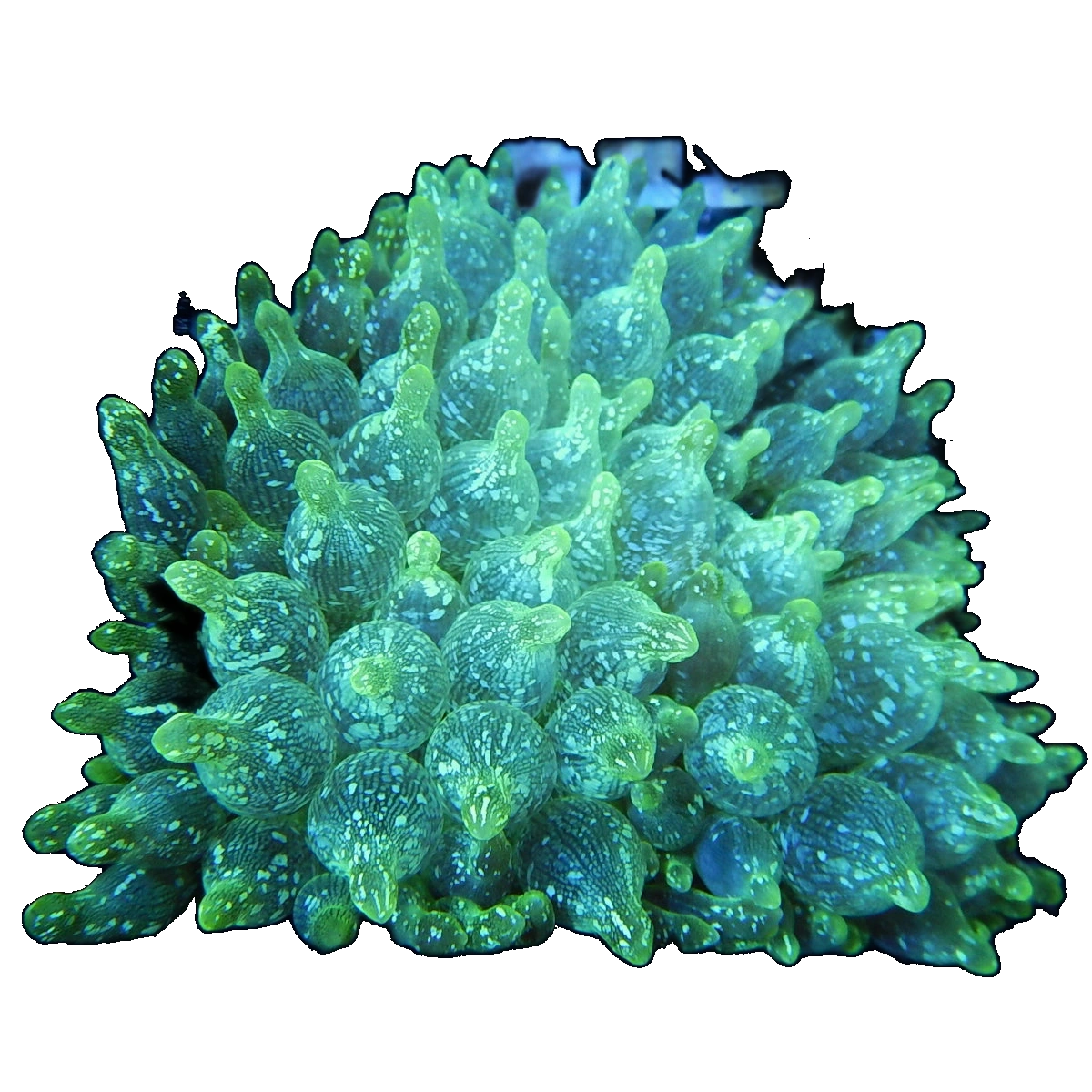
The Snowflake Bubble Tip Anemone (Entacmaea quadricolor) is an ornamental anemone with patterned tentacles that develop bulb tips under intense aquarium lighting. It attaches its pedal disc deep within creviced live rock or rubble, requires strong lighting in at least 115-liter tanks, is best kept with clownfish, and can sting neighboring corals so handle with care.
Quick facts
Handling caution: Stinging tentacles can cause skin irritation and will sting other anemones, corals, and unprotected skin on contact
Identity
- Also known as
- Bulb Tip Anemone; Four-Colored Anemone; Rose Anemone; BTA
- Synonyms
- Entacmaea rameyi; Gyrostoma quadricolor
- Environment
- Saltwater
- Native to
- Indo-Pacific, Red Sea, Fiji, Tonga, Sri Lanka, Indonesia, Australia
- Habitat
- Reef flats and lagoons, attaching its pedal disc deep within crevices of live rock, dead coral rubble, or reef substrate, from shallow sunlit areas to deeper dimly lit zones
- Sourcing
- Both
- Conservation
- Not Evaluated
Care
- Care level
- Moderate
- Temperament
- Semi-Aggressive
- Adult size
- 2 – 12 in (5.1 – 30 cm)
- Lifespan
- 10 – 20 yrs
- Min tank
- 30 gal (114 L)
- Growth rate
- Moderate
- Placement
- Rock & glass
Water
- Temperature
- 76 – 80 °F (24 – 27 °C)
- pH
- 8.1 – 8.4
- dKH
- 8 – 12 dKH
- Salinity
- 1.023 – 1.026 SG
- Flow
- Low-Moderate
Behavior & compatibility
- Social
- Solitary
- Aggression to own kind
- High
- Active
- Daytime
- Reef safe
- With caution
- Invert safe
- With caution
- Shrimp safe
- With caution
- Population boom risk
- Low
- Hosts
- Amphiprion clarkii; Amphiprion frenatus; Amphiprion ephippium; Amphiprion melanopus; Amphiprion rubrocinctus; Amphiprion akindynos; Amphiprion chrysopterus; Amphiprion mccullochi; Premnas biaculeatus
Feeding & breeding
- Diet
- Carnivore
- Foods
- Frozen, Live, Zooplankton
- Breeding difficulty
- Moderate
- Sexing
- No reliable external sexing; reproduces asexually by pedal laceration/splitting in captivity, and sexually via broadcast spawning in the wild
- Target feeding
- Beneficial
Something wrong or missing? Submit a correction
Care guide
Overview
A patterned color form of the bulb tip anemone, the Snowflake shows mottled light flecking across its tentacles that contrasts with the swollen bulb tips developed under intense lighting. It wedges its pedal disc deep into live rock or rubble and generally remains fixed once settled. Clownfish hosting is beneficial though not essential.
Care
Bubble tip anemones need a mature reef system, at least six to twelve months old, with stable water chemistry and no measurable ammonia or nitrite. They settle their pedal disc deep into a rock crevice and generally stay put once established, though they can walk to a preferred spot if lighting or flow is unsuitable. Moderate to high lighting and low to moderate flow suit most specimens, and calcium, alkalinity, and magnesium should be kept within normal reef ranges since the anemone hosts photosynthetic zooxanthellae.
Feeding
Offer chopped fish, shrimp, or marine worms two to three times a week using a feeding stick or turkey baster to place food directly against the tentacles. A resident clownfish will often feed the anemone scraps and deposit waste nearby, reducing the need for target feeding, but unhosted specimens should be fed more deliberately. Avoid overfeeding, since decaying food trapped near the oral disc can foul water quality and stress the animal.
Tank mates
Give at least a few inches of clearance from corals and powerheads, since the sweeper tentacles sting anything they contact and the anemone can drift until it finds a spot it likes. Multiple bubble tip anemones should not be placed close together because they can wage chemical warfare on one another. Pairing with a compatible clownfish species benefits both animals, but the anemone does not require a fish to survive.
Breeding
In captivity, reproduction is almost always asexual through pedal laceration or binary fission, where the anemone splits into two genetically identical individuals once it reaches sufficient size and health. This process can happen unpredictably in a well-fed, stable tank and often yields several clones over time. Sexual reproduction via broadcast spawning is documented in the wild but essentially never observed in home aquariums.
Health
A shrinking or deflated anemone that fails to fully expand under normal lighting often signals inadequate light, poor water quality, or insufficient feeding. Bleaching, or a marked loss of coloration, indicates expulsion of zooxanthellae and usually points to a lighting or temperature problem that needs prompt correction. A anemone that repeatedly detaches and wanders is signaling dissatisfaction with its current placement and should be allowed to relocate rather than forced to stay put.
Sources
Varieties in the catalog
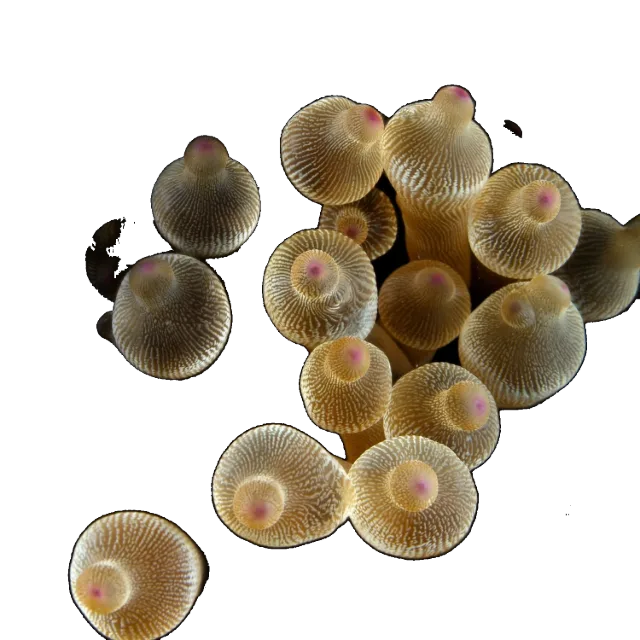 Bubble Tip Anemone
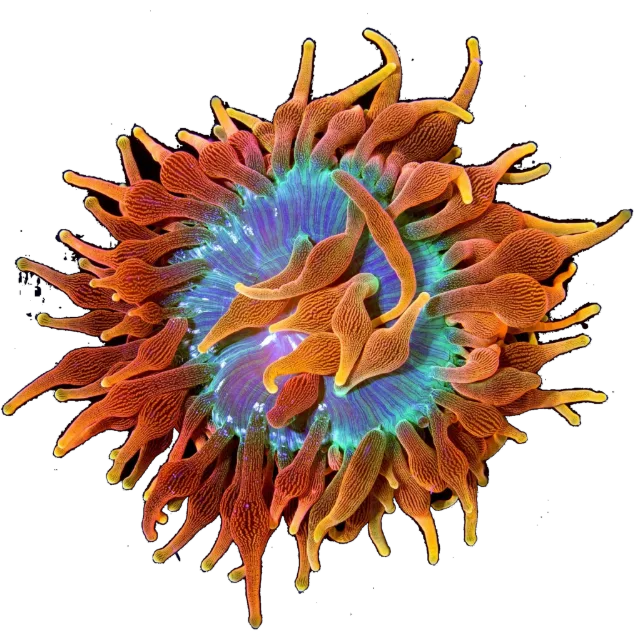 Colorado Sunburst Bubble Tip Anemone
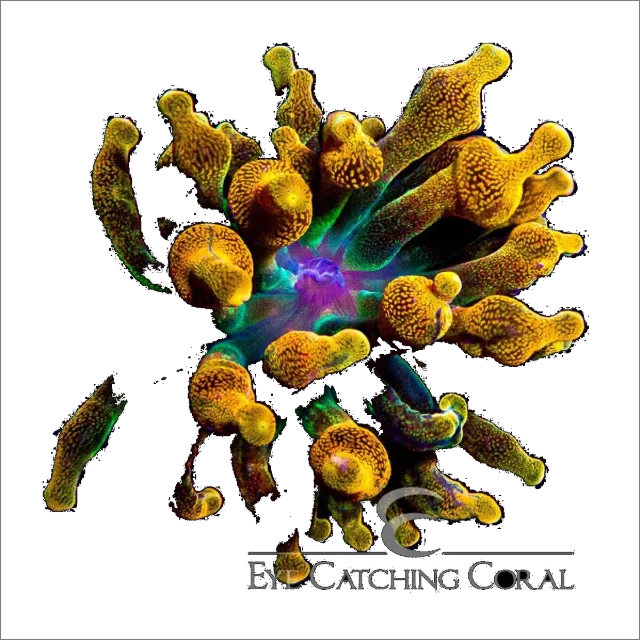 ECC Chicago Sunburst Bubble Tip Anemone
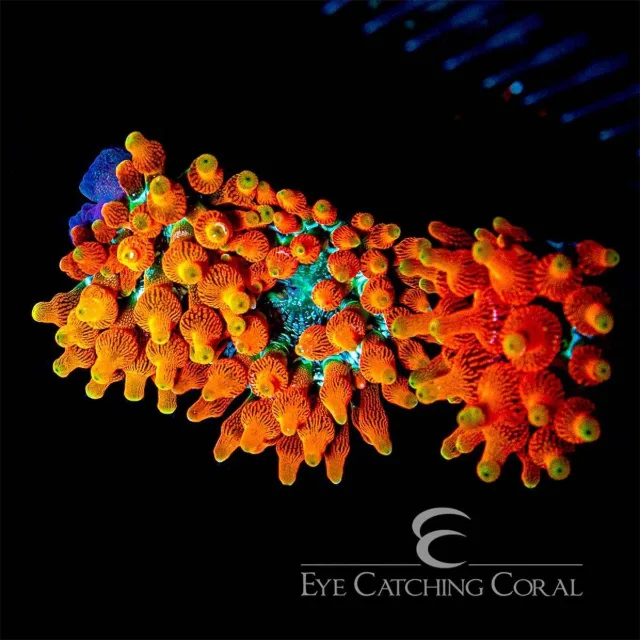 ECC Colorado Sunburst Bubble Tip Anemone
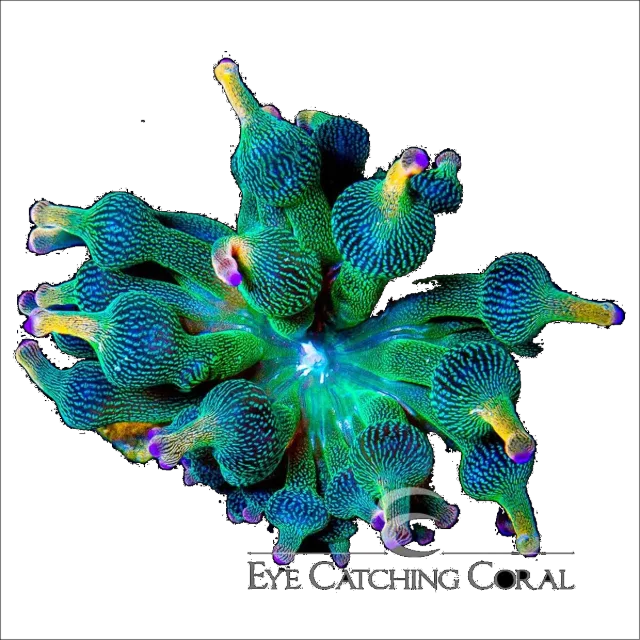 ECC Holy Grail Bubble Tip Anemone
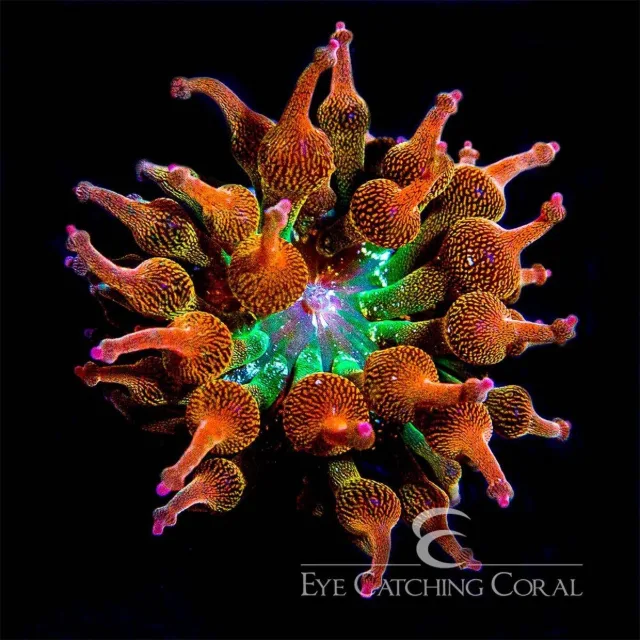 ECC Nexus Blaze Bubble Tip Anemone
 ECC Nexus Burst Bubble Tip Anemone
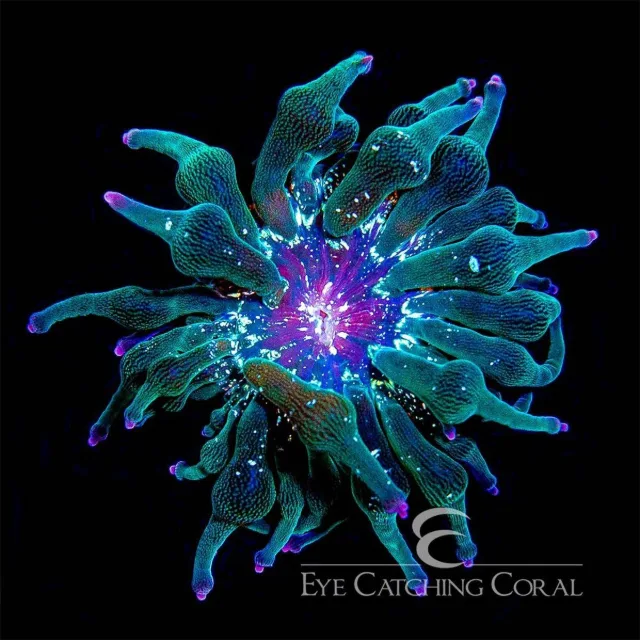 ECC Nexus Joker Bubble Tip Anemone
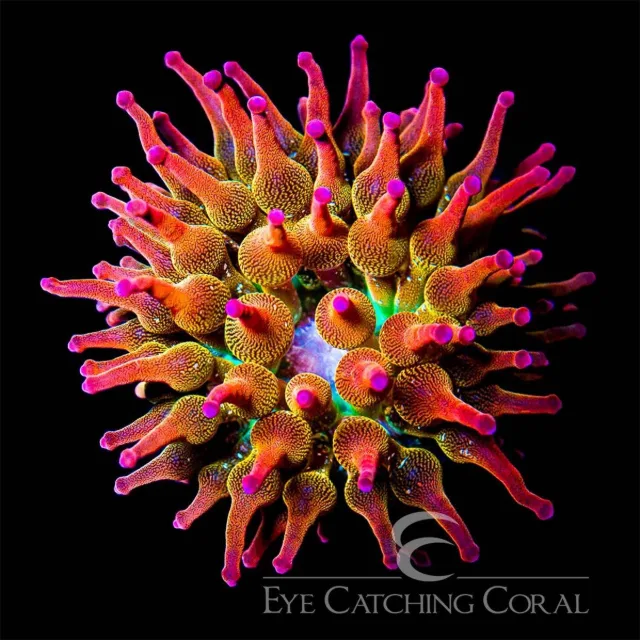 ECC Rainbow Bubble Tip Anemone
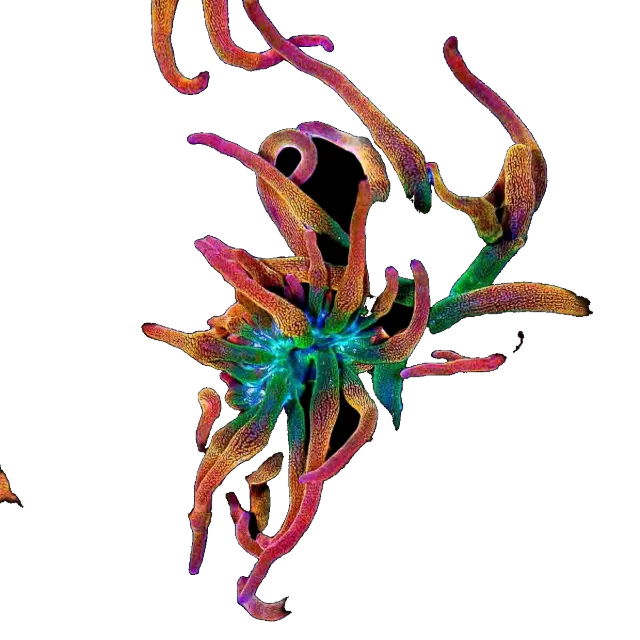 ECC Rainbow Inferno Bubble Tip Anemone
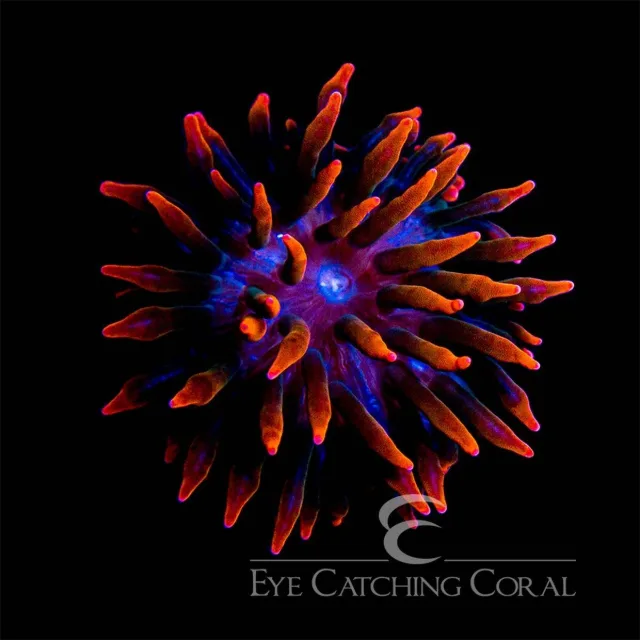 ECC Sherman Bubble Tip AnemoneECC Warp Drive Bubble Tip Anemone
More Anemones
Something wrong or missing? Submit a correction
In the community
Popular tanks using Snowflake Bubble Tip Anemone
No public tanks are showcasing Snowflake Bubble Tip Anemone yet.