
Marine Invertebrates
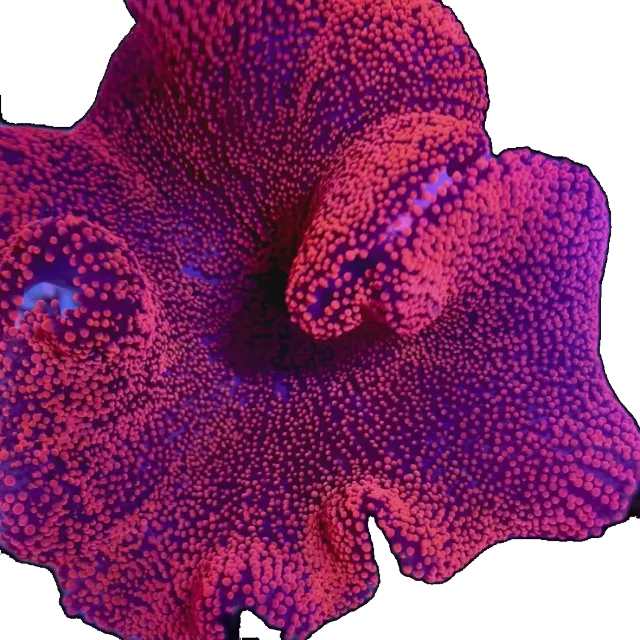
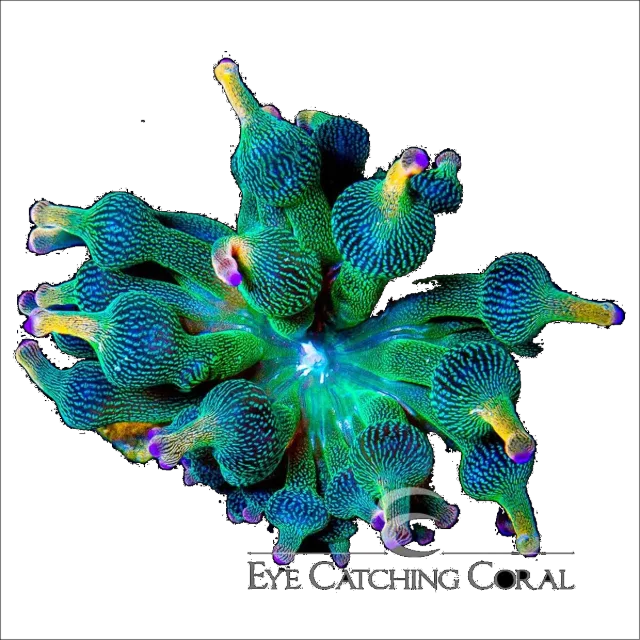
Metallic Green Haddon's Carpet Anemone (Large)
Stichodactyla haddoniStichodactylidaeAnemones
Price: $141.00 USD
Add from My tanks →1 photos
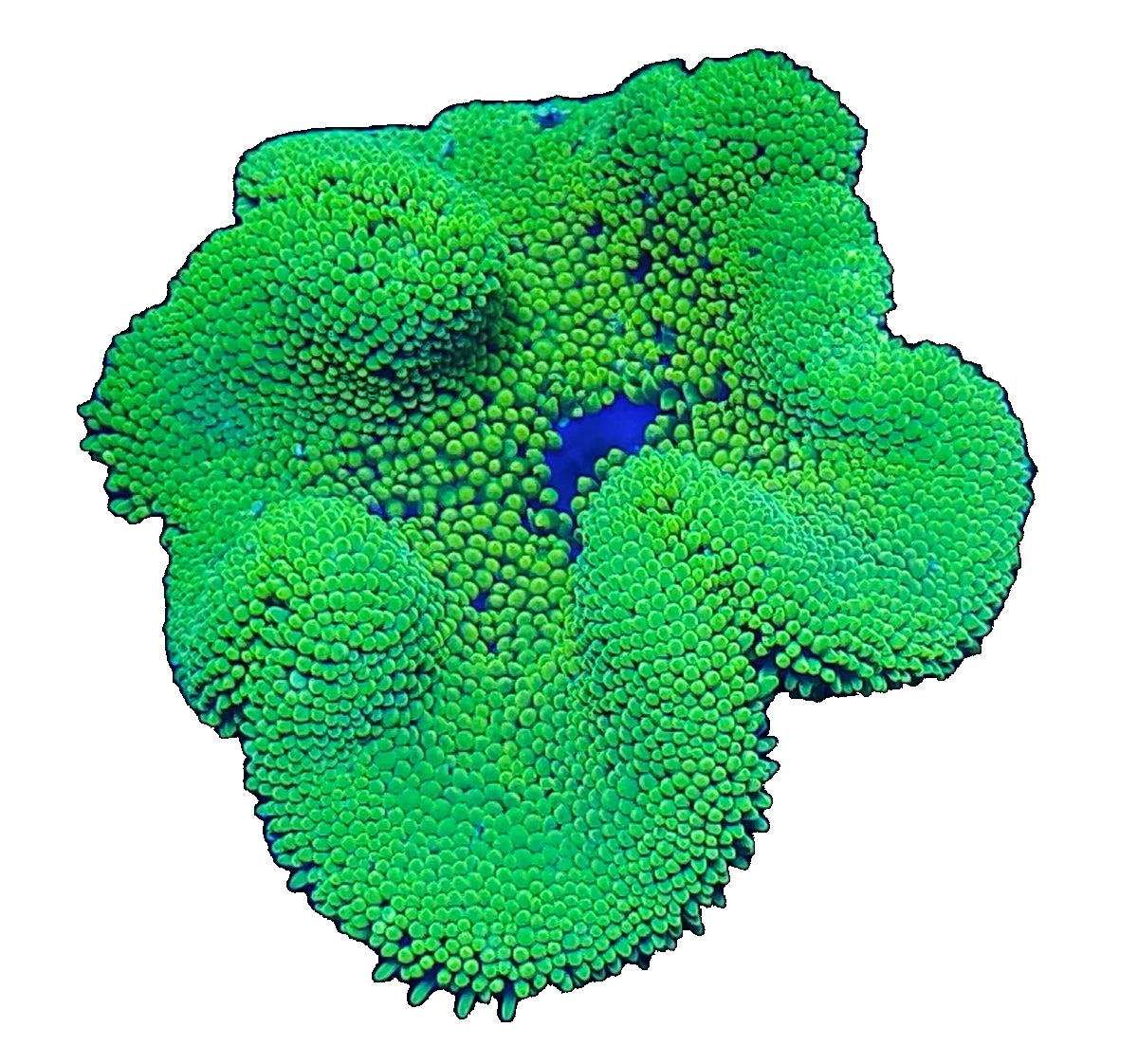
The Metallic Green Haddon's Carpet Anemone lives singly in shallow Indo-Pacific and Red Sea waters, reaching up to 3 feet in diameter with short blunt tentacles and a very potent sting. It needs a fully established aquarium with perfect water chemistry, strong lighting, good flow, and a sandy bed to bury its foot in; it can host clownfish but may harm corals, other anemones, and non-clownfish; handle with care as it can cause severe reactions in humans; feed chunks of fresh fish, uncooked shrimp, and other meaty foods weekly or daily.
Quick facts
Handling caution: Potent sting; contact can cause significant skin irritation or reaction in sensitive people
Identity
- Also known as
- Saddle Anemone; Saddle Carpet Anemone; Saddleback Anemone; Haddon's Sea Anemone
- Synonyms
- Discosoma haddoni
- Environment
- Saltwater
- Native to
- Indo-Pacific, Red Sea, Indonesia, Philippines, Sri Lanka, Solomon Islands, Papua New Guinea
- Habitat
- Lives singly on sandy or muddy substrate outside reef areas, at depths of roughly 10-100 feet, with its foot anchored to buried rock or hardpan.
- Sourcing
- Wild-caught
- Conservation
- Not Evaluated
Care
- Care level
- Difficult
- Temperament
- Aggressive
- Adult size
- 5 – 36 in (13 – 91 cm)
- Lifespan
- 10 – 20 yrs
- Min tank
- 100 gal (379 L)
- Growth rate
- Slow
- Placement
- Bottom
Water
- Temperature
- 72 – 78 °F (22 – 26 °C)
- pH
- 8.1 – 8.4
- dKH
- 8 – 12 dKH
- Salinity
- 1.023 – 1.025 SG
- Flow
- Moderate-High
Behavior & compatibility
- Social
- Solitary
- Aggression to own kind
- High
- Active
- Daytime
- Reef safe
- With caution
- Invert safe
- No
- Shrimp safe
- No
- Population boom risk
- Low
- Hosts
- Amphiprion clarkii; Amphiprion sebae; Amphiprion akindynos; Amphiprion chrysogaster; Amphiprion chrysopterus; Amphiprion polymnus; Amphiprion ocellaris; Amphiprion percula; Amphiprion allardi
Feeding & breeding
- Diet
- Carnivore
- Foods
- Frozen, Live, Zooplankton
- Breeding difficulty
- Moderate
- Sexing
- Not externally distinguishable; sex determined internally, reproduces mostly asexually in captivity
- Target feeding
- Beneficial
Something wrong or missing? Submit a correction
Care guide
Overview
Suited to a large, mature reef system rather than a new setup, this metallic green carpet anemone can spread to roughly three feet across on a sandy floor. Its short, blunt tentacles carry a strong sting, so keepers need clearance from corals and other invertebrates, plus a deep sand bed for anchoring.
Care
This carpet anemone needs a mature reef tank with stable, well-established water chemistry, high-intensity lighting, and moderate to strong flow to sustain its symbiotic algae and meet its energy needs. A deep sand bed of at least four inches is important, since it buries its foot in the substrate and can relocate itself in search of a preferred spot. It should be introduced before corals or other sessile invertebrates are added, since it will move around and sting anything it contacts.
Feeding
Offer chopped fresh or frozen meaty foods such as shrimp, silversides, squid, or fish several times a week, placing food directly on or near the oral disc. Well-lit, established specimens derive a large share of their energy from photosynthetic zooxanthellae, but supplemental feeding improves color and expansion over time. Avoid overfeeding, as uneaten waste can foul the substrate around the buried foot.
Tank mates
Best kept as the only anemone in the tank, since it can sting and kill other anemones and corals that fall within its reach as it wanders. Only clownfish species adapted to hosting it should be paired with it, and other small fish or shrimp risk being captured and eaten if they linger too close to the tentacles. Give at least a foot of clearance from neighboring sessile invertebrates and rearrange rockwork carefully if it relocates.
Breeding
In aquariums, reproduction is almost always asexual through pedal laceration or longitudinal fission, producing genetic clones rather than true offspring. Sexual reproduction with free-swimming larvae is documented in the wild but essentially unknown in home tanks. Hobbyists sometimes encourage splitting by providing a large, stable sand bed and consistent feeding, though the process cannot be reliably controlled.
Health
A shrinking, deflated, or pale appearance over several days usually signals inadequate lighting, poor water quality, or being pulled by strong flow before it can anchor. Anemones that repeatedly detach and drift on the sand bed are often stressed and at risk of getting pulled into powerheads or overflows. Sudden bleaching or a foul odor from tissue disintegration indicates the specimen is dying and should be removed promptly to prevent an ammonia spike.
Sources
Varieties in the catalog
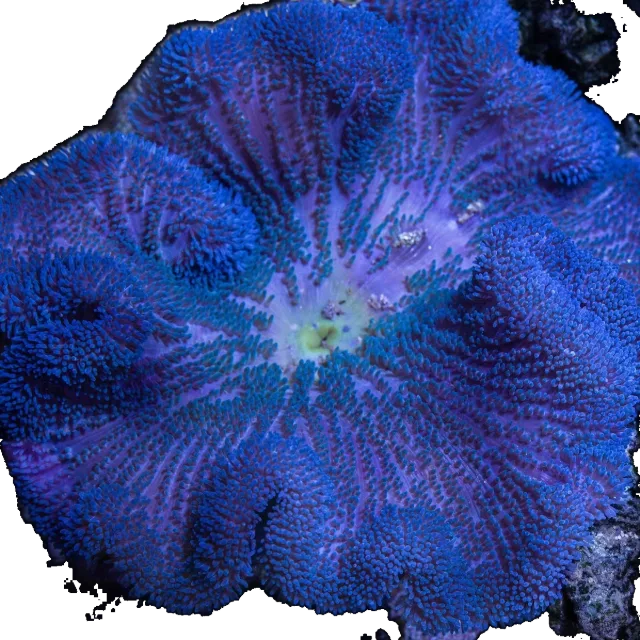
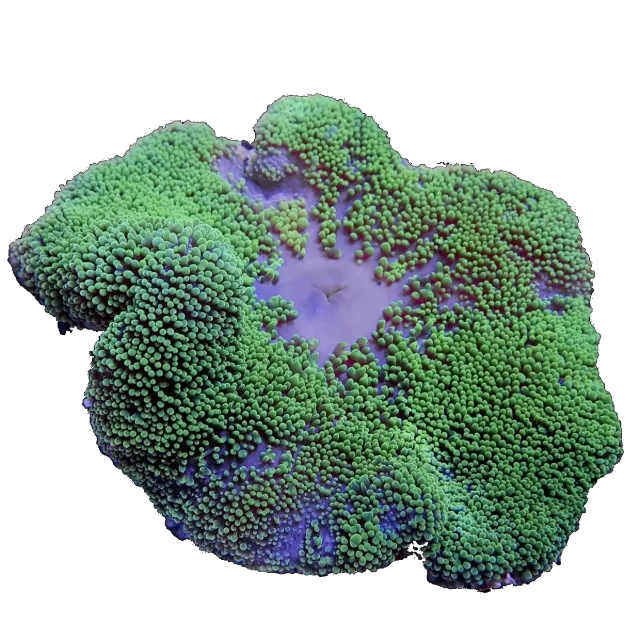
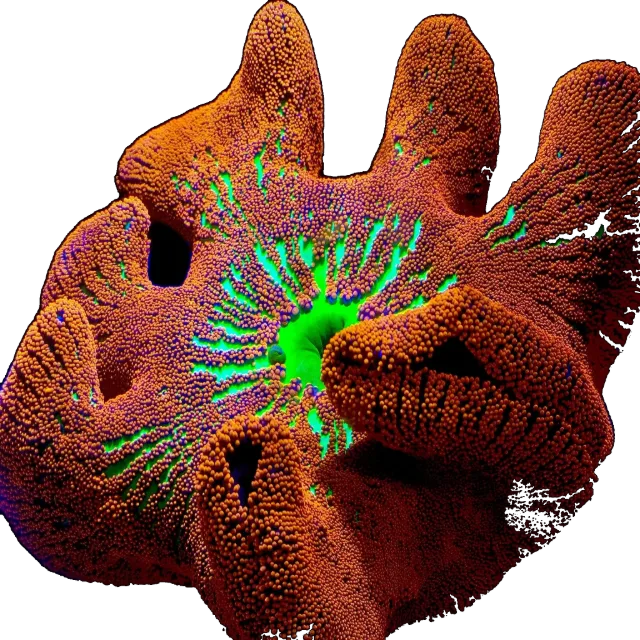
More Anemones
Something wrong or missing? Submit a correction
In the community
Popular tanks using Metallic Green Haddon's Carpet Anemone (Large)
No public tanks are showcasing Metallic Green Haddon's Carpet Anemone (Large) yet.