
Shrimp
Short Nose Shrimp
Caridina denticulataAtyidaeDwarf shrimp
Price: $79.99 USD
Add from My tanks →1 photos
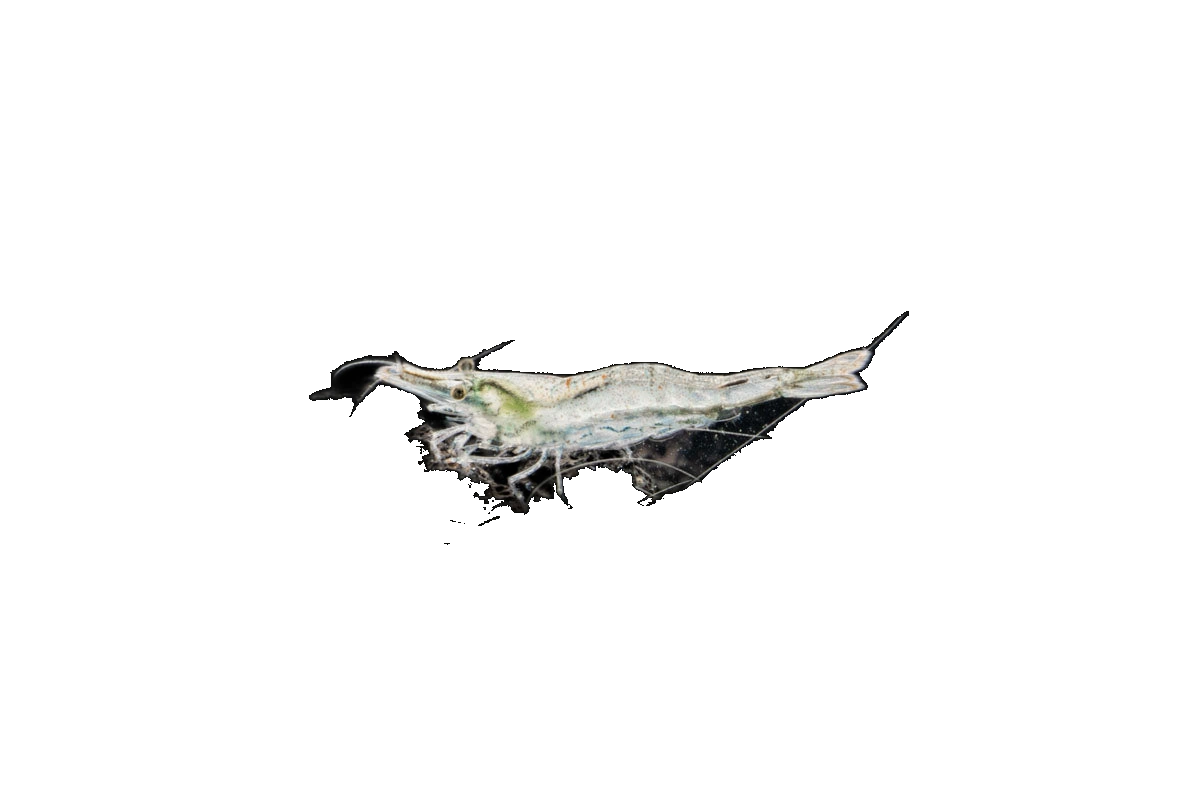
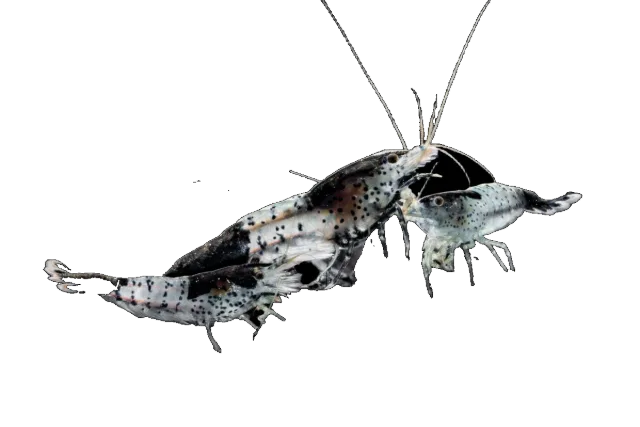
Short Nose Shrimp (Caridina denticulata) is a hardy, translucent-bodied dwarf shrimp, often decorated with fine dark speckles or a faint dorsal stripe, that blends seamlessly into nature-style scapes. A surprisingly adaptable Caridina species, it works as a relentless algae and debris clean-up crew and suits peaceful community and nano tanks.
Quick facts
Identity
- Also known as
- Speckled Dwarf Shrimp; Short-Nose Algae Shrimp
- Synonyms
- Caridina denticulata denticulata
- Environment
- Freshwater
- Native to
- Japan, China, Taiwan, Korea
- Habitat
- Lowland streams, rivers, and ponds with rocky or vegetated substrate; tolerant of a range of conditions from soft to moderately hard water
- Sourcing
- Wild-caught
- Conservation
- Not Evaluated
Care
- Care level
- Easy
- Temperament
- Peaceful
- Adult size
- 0.6 – 1.3 in (1.5 – 3.2 cm)
- Lifespan
- 1 – 2 yrs
- Min tank
- 5 gal (19 L)
- Growth rate
- Moderate
- Placement
- Bottom
Water
- Temperature
- 68 – 78 °F (20 – 26 °C)
- pH
- 6.6 – 7.8
- GH
- 4 – 8 dGH
- TDS
- 100 – 300 ppm
- dKH
- 0 – 4 dKH
- Flow
- Low-Moderate
Behavior & compatibility
- Social
- Group · groups of 6+
- Aggression to own kind
- Low
- Active
- Daytime
- Invert safe
- Yes
- Plant safe
- Yes
- Shrimp safe
- Yes
- Clean-up role
- Algae, Biofilm, Detritus, Leftover food
- Population boom risk
- Low
Feeding & breeding
- Diet
- Omnivore
- Foods
- Pellets, Frozen, Vegetables, Algae, Biofilm, Freeze-dried
- Breeding type
- Larval (brackish)
- Breeding difficulty
- Not bred in captivity
- Sexing
- Females are larger and broader-bodied with a more rounded underside to carry eggs; males are smaller and more slender
- Target feeding
- Beneficial
Something wrong or missing? Submit a correction
Care guide
Overview
Wild populations range across the streams and rivers of Japan, China, Taiwan, and Korea, where this shrimp grazes rocky and vegetated substrate in mixed hardness water. Sold as a translucent, speckled brown-and-cream form, it is a hardier alternative to bee shrimp and tolerates broader swings in pH and hardness. Best kept in mature, algae-rich tanks in groups of six or more.
Care
This shrimp is one of the tougher Caridina species available in the trade, tolerating a wider swing in pH and hardness than delicate bee shrimp varieties. It does best in a mature, well-established tank with algae-covered wood and rock to graze on and stable, well-oxygenated water. Copper-based medications and sudden parameter shifts should be avoided, as with most atyid shrimp, since they are far more sensitive to these than to gradual changes in general hardness.
Feeding
Most of its diet comes from grazing biofilm, algae, and organic debris off leaves, wood, and glass throughout the day. Supplement with sinking shrimp pellets, blanched vegetables such as zucchini or spinach, and occasional protein sources like frozen bloodworm to round out nutrition. Feed sparingly since overfeeding fouls water quality faster than the shrimp can consume the surplus.
Tank mates
Best paired with small, peaceful fish that will not view them as food, along with other non-aggressive nano species. Avoid larger or predatory fish, and be cautious with boisterous tank mates that may out-compete them for food. They do well alongside other shrimp species and snails in a community clean-up crew setup.
Breeding
Wild populations are believed to be amphidromous, meaning hatched larvae require brackish water to develop before returning to fresh water as juveniles, which makes closing the life cycle in a standard freshwater tank very difficult. Because of this, most specimens sold in the hobby are wild-caught or farmed rather than tank-bred to maturity in home aquariums. Hobbyists should not expect a self-sustaining colony under typical freshwater-only setups.
Health
Like other atyid shrimp, it is vulnerable to copper and other heavy metals, which can be lethal even in small doses. Stable water chemistry and adequate minerals support smooth, successful molting; a shrimp that appears stuck mid-molt or is repeatedly molting in short succession may indicate a mineral deficiency or unstable GH/KH. Sudden drops in TDS or pH swings are more likely to cause stress and mortality than steady, moderately hard water.
Sources
More Dwarf shrimp
Something wrong or missing? Submit a correction
In the community
Popular tanks using Short Nose Shrimp
No public tanks are showcasing Short Nose Shrimp yet.