Aquatic Plant
Rotala H'Ra
Rotala rotundifolia 'H'Ra'LythraceaeStem plants
Price: $20.99 USD
Add from My tanks →1 photos
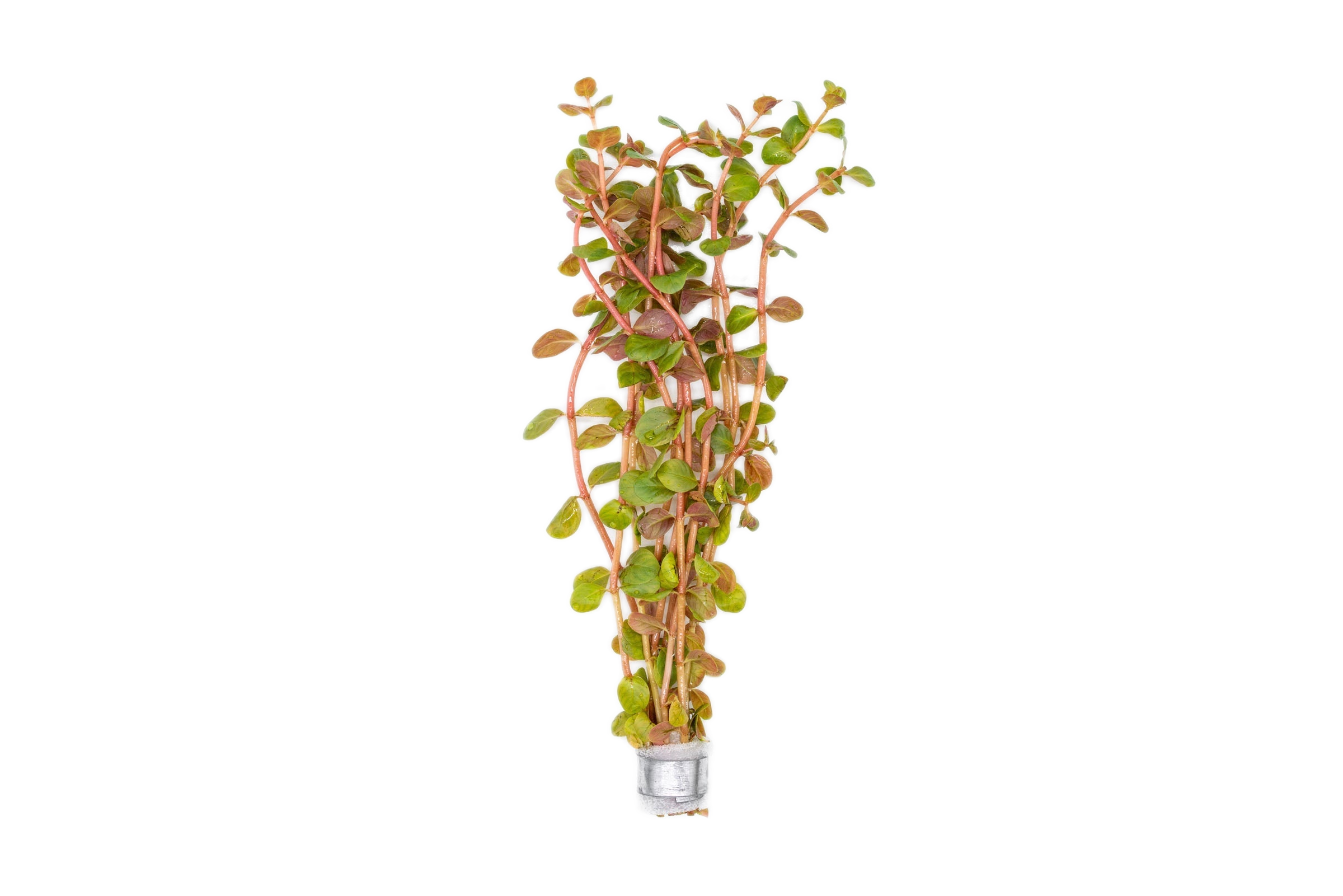
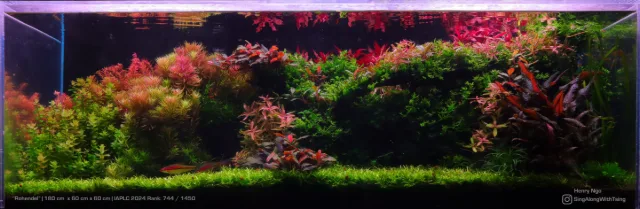
Rotala H'ra is a sought-after stem plant from Vietnam's Gia Lai province, a geographic variant of Rotala rotundifolia known for profuse, narrow, pointed foliage and an overhanging, arching, branching habit. Under high light, CO2, and tuned fertilization, its foliage transforms into fiery orange, salmon, and deep ruby-red.
Quick facts
Identity
- Also known as
- Rotala Hra; Gia Lai Rotala
- Synonyms
- Rotala indica 'Green'
- Environment
- Freshwater
- Native to
- India, Southeast Asia, Vietnam, China
- Habitat
- Shallow, slow-moving freshwater such as rice paddies, marshes, and ditches, growing both submersed and emersed along damp banks.
- Sourcing
- Both
- Conservation
- Not Evaluated
Care
- Care level
- Easy
- Growth form
- Stem
- Max height
- 4 – 16 in (10 – 41 cm)
- Spread
- 4 in (10 cm)
- Growth rate
- Fast
- Placement
- Midground, Background
Water
- Temperature
- 72 – 82 °F (22 – 28 °C)
- pH
- 6.0 – 7.5
- GH
- 2 – 15 dGH
- dKH
- 0 – 14 dKH
- PAR
- 30 – 80 PAR
- Flow
- Low-Moderate
- Light
- Medium
- CO₂
- Beneficial
Planting
- Substrate
- Nutrient-rich preferred
- Feeds from
- Both
- Fertilizer needs
- Medium
- Colors
- Green
Feeding & breeding
- Propagation
- Cuttings
Something wrong or missing? Submit a correction
Care guide
Overview
Stems typically reach several inches to over a foot, arching and branching outward rather than growing strictly upright. Narrow, pointed leaves crowd densely along each stem, shifting to orange, salmon, and ruby tones under high light, CO2, and tuned fertilization. A geographic variant of Rotala rotundifolia collected in Vietnam's Gia Lai province.
Care
This green form of Rotala rotundifolia is one of the more forgiving stem plants, tolerating a wide range of pH and hardness once established. It grows fastest under medium to high light with supplemental CO2, but will still do reasonably well in a low-tech setup, just more slowly and with a looser stem structure. Regular trimming keeps the stand dense and bushy rather than tall and leggy, and side stems branch readily after each cut.
Planting & trimming
Plant stem cuttings in groups, pushing them an inch or two into the substrate with the lower leaves stripped so the bare stem anchors cleanly without rotting. Space stems a couple of inches apart to let light reach lower foliage, and trim the tops once they near the surface to encourage lateral branching and a fuller hedge. Cuttings root within about a week and can be replanted directly to fill in gaps.
Fertilizing
Feeds mainly through the water column but also draws nutrients through adventitious roots at the stem nodes, so a nutrient-rich substrate or root tabs help support denser growth. Regular liquid fertilizing with nitrogen, potassium, and trace elements including iron keeps the foliage a healthy bright green rather than pale or yellowing. Because this variety does not color up with reduced nitrogen the way red rotalas do, nutrient levels can be kept generous without sacrificing its appearance.
Propagation
Propagated by cutting the tops or lateral side shoots and replanting them directly into substrate, where they root within roughly five to seven days. Routine trimming both propagates the plant and maintains a compact, bushy shape rather than allowing tall, sparse stems to reach the surface.
Problems
New stems can show minor melt or lower leaf drop after planting or shipping, especially when transitioning from emersed nursery growth to submerged conditions, but this typically resolves as new growth appears. Stagnant, low-light conditions can lead to leggy stems with sparse foliage and increased susceptibility to algae on older leaves. Consistent parameters and avoidance of sudden swings in lighting or CO2 reduce stress-related leaf loss.
Sources
More Stem plants
Something wrong or missing? Submit a correction
In the community