
Aquatic Plant
Rorippa Aquatica
Rorippa aquaticaBrassicaceaeRosette plants
Price: $8.99 USD
Add from My tanks →1 photos
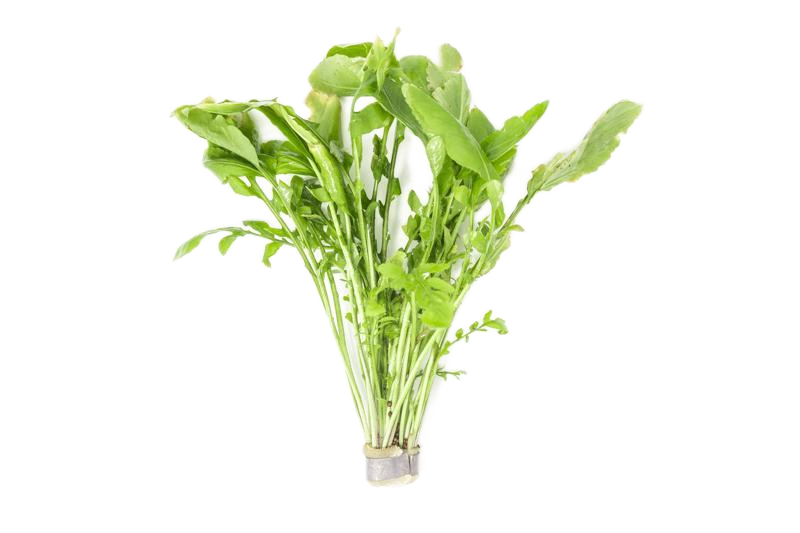
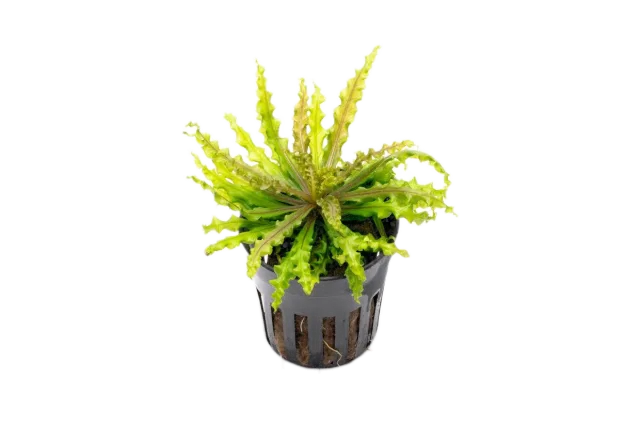
Rorippa aquatica (Water Cabbage) is an undemanding North American plant with highly variable bright green leaves, from deeply lobed oak-like to smooth rounded foliage, giving a cabbage-like texture for foreground to midground use. Easy and fast-growing, it needs moderate to high light, benefits from CO2 and cooler water, and propagates from cuttings or leaf plantlets.
Quick facts
Identity
- Also known as
- Water Cabbage; Water Horseradish; Lake Cress; American Watercress
- Synonyms
- Armoracia aquatica; Neobeckia aquatica
- Environment
- Freshwater
- Native to
- United States
- Habitat
- Slow-moving streams, marshes, and pond margins, rooting in shallow water or floating, often in clear nutrient-rich water over sandy or silty substrate
- Sourcing
- Aquacultured
- Conservation
- Not Evaluated
Care
- Care level
- Moderate
- Growth form
- Rosette
- Max height
- 2 – 4.7 in (5.1 – 12 cm)
- Spread
- 6 in (15 cm)
- Growth rate
- Slow
- Placement
- Foreground, Midground
Water
- Temperature
- 64 – 75 °F (18 – 24 °C)
- pH
- 6.0 – 7.5
- GH
- 2 – 15 dGH
- dKH
- 2 – 14 dKH
- PAR
- 30 – 60 PAR
- Flow
- Low-Moderate
- Light
- Medium
- CO₂
- Beneficial
Planting
- Substrate
- Nutrient-rich preferred
- Feeds from
- Both
- Fertilizer needs
- Medium
- Colors
- Green
Feeding & breeding
- Propagation
- Cuttings, Plantlets
Something wrong or missing? Submit a correction
Care guide
Overview
Leaves span two to nearly five inches, ranging from deeply lobed, oak-like foliage underwater to rounder, simpler shapes when grown emersed, forming a spreading rosette for the foreground or midground. Cooler water in the upper 60s to low 70s, medium to high light, and CO2 keep growth dense rather than leggy. Shed leaves often root themselves, making propagation nearly automatic.
Care
Lake cress adapts to a fairly wide range of water chemistry but grows best in cooler water than many popular foreground plants, ideally in the mid to upper 60s to low 70s Fahrenheit. Leaf shape shifts dramatically with conditions, producing deeply lobed, almost fern-like foliage when fully submerged in strong light and CO2, and simpler, rounded or toothed leaves under lower light or emersed growth. Medium to high light brings out a denser rosette and helps prevent the plant from stretching, though it will survive under more modest lighting at a slower pace.
Planting & trimming
Plant the rosette with its crown at or just above the substrate line, since burying the growing point can cause rot, and space multiple rosettes a couple of inches apart to allow room for the leaves to spread. It can be grown emersed in a paludarium-style setup or fully submerged, and trimming is mostly limited to removing spent or melting outer leaves. Loose or floating detached leaves that develop plantlets can simply be pressed into the substrate to start new specimens.
Fertilizing
A nutrient-rich substrate benefits root development and supports steadier growth, and root tabs placed near the base of the rosette are useful in leaner setups. Liquid fertilization with iron and a full micronutrient mix helps maintain leaf color and compensates when substrate nutrients run low. Pale new growth or stalled leaf production usually points to insufficient iron or overall fertilization rather than a light problem.
Propagation
Propagation happens naturally as older leaves detach, float, and sprout small roots and plantlets from their margins, which can then be planted individually once they have a few roots. Stem or rosette cuttings can also be trimmed and replanted directly into substrate. Growth is slow to moderate, so new plantlets take some time to establish into full-sized rosettes.
Problems
Shedding of older leaves after purchase or transplanting is normal and not a sign of failure, since detached leaves commonly grow their own roots and become new plantlets. True melt can occur when a plant grown emersed is transitioned underwater, with soft tissue breaking down before new submerged-form leaves appear. Low light or poor CO2 stability can also slow recovery and invite algae on the older, slower-growing leaves.
Sources
More Rosette plants
Something wrong or missing? Submit a correction
In the community
Popular tanks using Rorippa Aquatica
No public tanks are showcasing Rorippa Aquatica yet.