
Marine Invertebrates
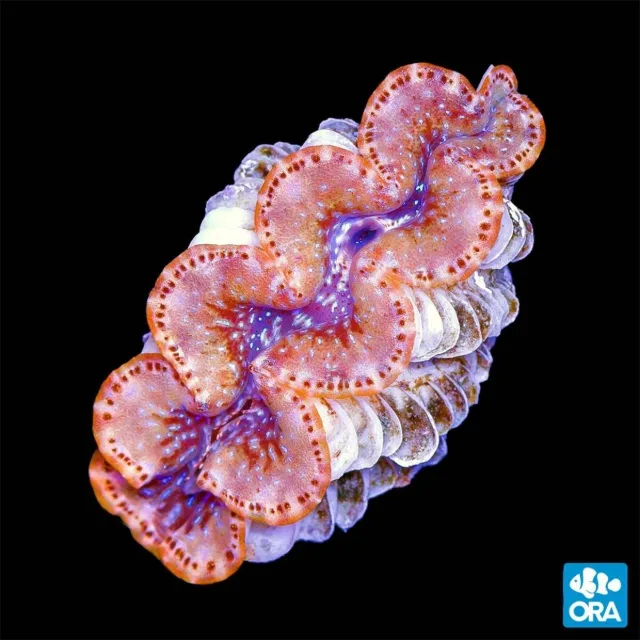
ORA Squamosa Clam - 2"
Tridacna squamosaCardiidaeClams
Add from My tanks →1 photos
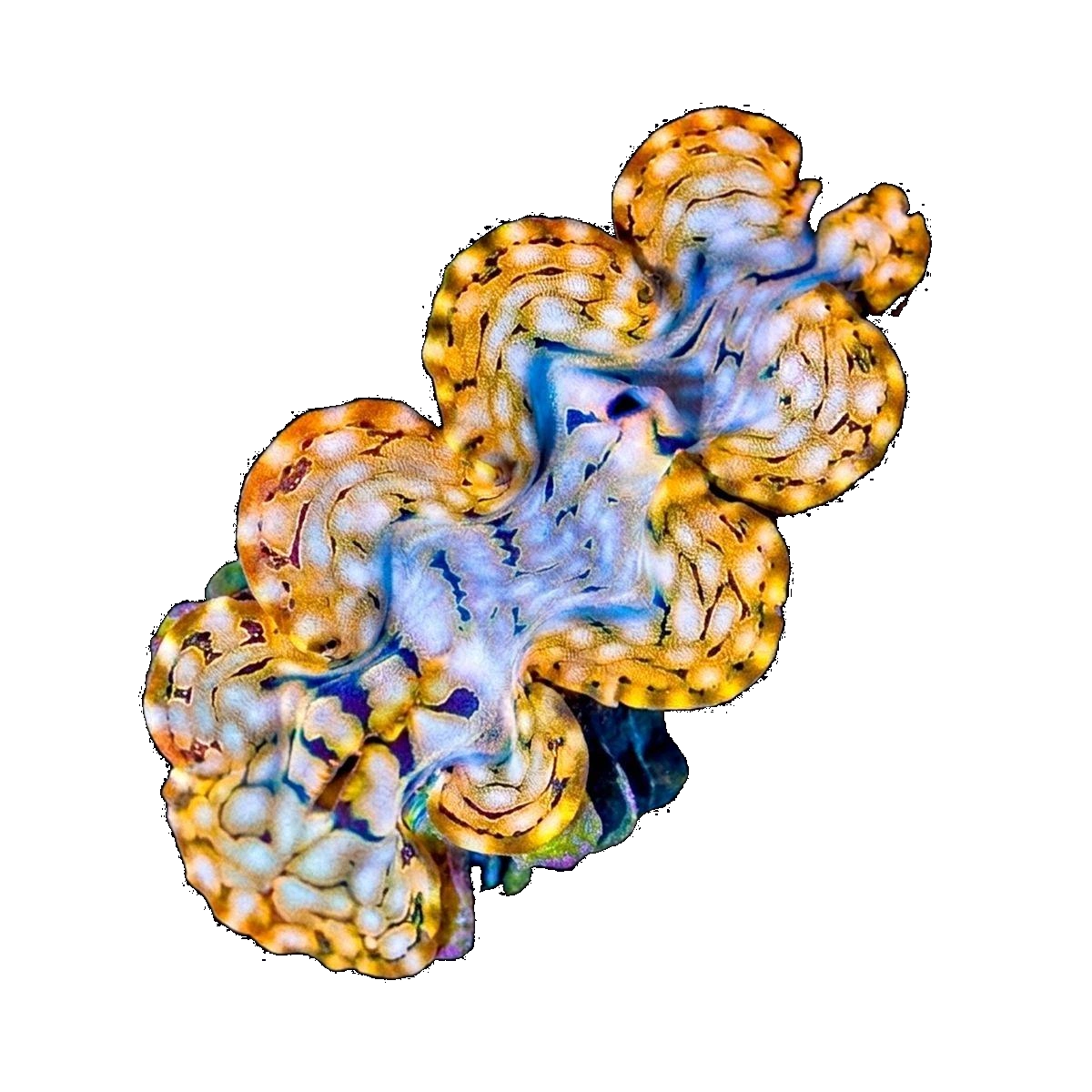
A gold-colored mushroom coral from Eye Catching Coral, valued for its rich golden hue; mushroom corals are soft-bodied, skeletonless corals that are hardy and suitable for beginner reef keepers.
Quick facts
Identity
- Also known as
- Scaly Clam; Scaled Giant Clam; Scaled Clam; Fluted Clam
- Synonyms
- Tridacna squamosina
- Environment
- Saltwater
- Native to
- Red Sea, East Africa, Indian Ocean, Indonesia, Australia, Central and West Pacific, Southern Japan
- Habitat
- Shallow back-reef environments, wedged in crevices or attached to rock and rubble by byssal threads, typically at depths of 1 to 20 feet though found down to 50 feet
- Sourcing
- Both
- Conservation
- Not Evaluated
Care
- Care level
- Moderate
- Temperament
- Peaceful
- Adult size
- 2 – 16 in (5.1 – 41 cm)
- Lifespan
- 20 – 40 yrs
- Min tank
- 100 gal (379 L)
- Growth rate
- Slow
- Placement
- Bottom, Rock & glass
Water
- Temperature
- 75 – 82 °F (24 – 28 °C)
- pH
- 8.1 – 8.4
- dKH
- 8 – 12 dKH
- Salinity
- 1.023 – 1.025 SG
- Flow
- Moderate
Behavior & compatibility
- Social
- Solitary
- Aggression to own kind
- Low
- Active
- Daytime
- Reef safe
- Yes
- Invert safe
- Yes
- Shrimp safe
- Yes
- Clean-up role
- Filter feeding
- Population boom risk
- Low
Feeding & breeding
- Diet
- Photosynthetic
- Foods
- Phytoplankton, Zooplankton
- Breeding type
- Broadcast spawner
- Breeding difficulty
- Difficult
- Sexing
- Protandric hermaphrodite; all individuals begin life as males and later develop female reproductive capability as they mature, with most adults functionally simultaneous hermaphrodites
- Target feeding
- Beneficial
Something wrong or missing? Submit a correction
Care guide
Overview
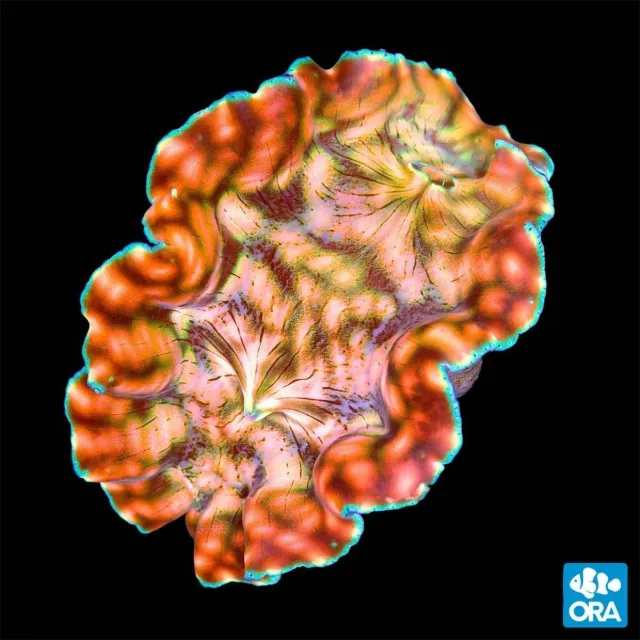
Fluted, scalloped shell edges frame a mantle showing mottled gold and brown tones typical of small aquacultured squamosa clams. At 2 inches this ORA specimen is a juvenile requiring supplemental phytoplankton feeding until self-sufficient on zooxanthellae, plus high PAR lighting and stable calcium and alkalinity for continued shell growth.
Care
Squamosa clams are among the hardier giant clams available in the trade and tolerate a wider light range than species like T. crocea or T. maxima. They should be placed low in the tank on the sandbed or a stable rock ledge under moderate to high intensity lighting, then acclimated gradually if moving to a brighter spot. Stable calcium, alkalinity, and magnesium levels are essential for shell growth, and water quality should be kept excellent since clams are sensitive to poor conditions despite their reputation for hardiness.
Feeding
Most of the clam's nutrition comes from zooxanthellae housed in its mantle tissue, so adequate light is the primary food source for larger specimens. Juveniles under about 3 inches benefit from direct feeding of phytoplankton or a greenwater-type supplement a few times a week to support growth before the algae population is established. Larger, well-lit adults generally need no supplemental feeding beyond what the water column naturally provides.
Tank mates
This clam is peaceful and poses no threat to fish, corals, or other invertebrates in the system. Predatory or inquisitive tankmates such as certain wrasses, triggerfish, puffers, and some anemones can pick at or sting the mantle, and anemones in particular should not be allowed to settle near the clam. Peaceful reef fish, most corals, and other clams make suitable neighbors as long as adequate spacing is given for mantle expansion.
Breeding
Aquacultured stock is common in the trade, and Tridacna squamosa has been successfully bred and reared in commercial and research hatcheries, though home aquarium breeding is not practical. Spawning in captivity requires broadcast release of gametes into open water followed by planktonic larval rearing, a process usually left to specialized facilities. Home aquarists should simply seek out captive-bred or aquacultured individuals when available to reduce pressure on wild populations.
Health
Pyramidellid snails are a common pest that attach near the byssal opening and drain the clam's fluids, so new arrivals should be inspected and quarantined before introduction. A healthy clam closes quickly and firmly in response to a shadow or touch; slow or incomplete closure is a sign of stress or poor health. Gaping, receding mantle tissue, or a foul odor from the shell usually indicate the animal is dying or already dead.
Sources
More Clams
Something wrong or missing? Submit a correction
In the community
Popular tanks using ORA Squamosa Clam - 2"
No public tanks are showcasing ORA Squamosa Clam - 2" yet.