
Coral
ORA Long Polyp Leather Coral
Sarcophyton sp.AlcyoniidaeLeather corals
Add from My tanks →1 photos
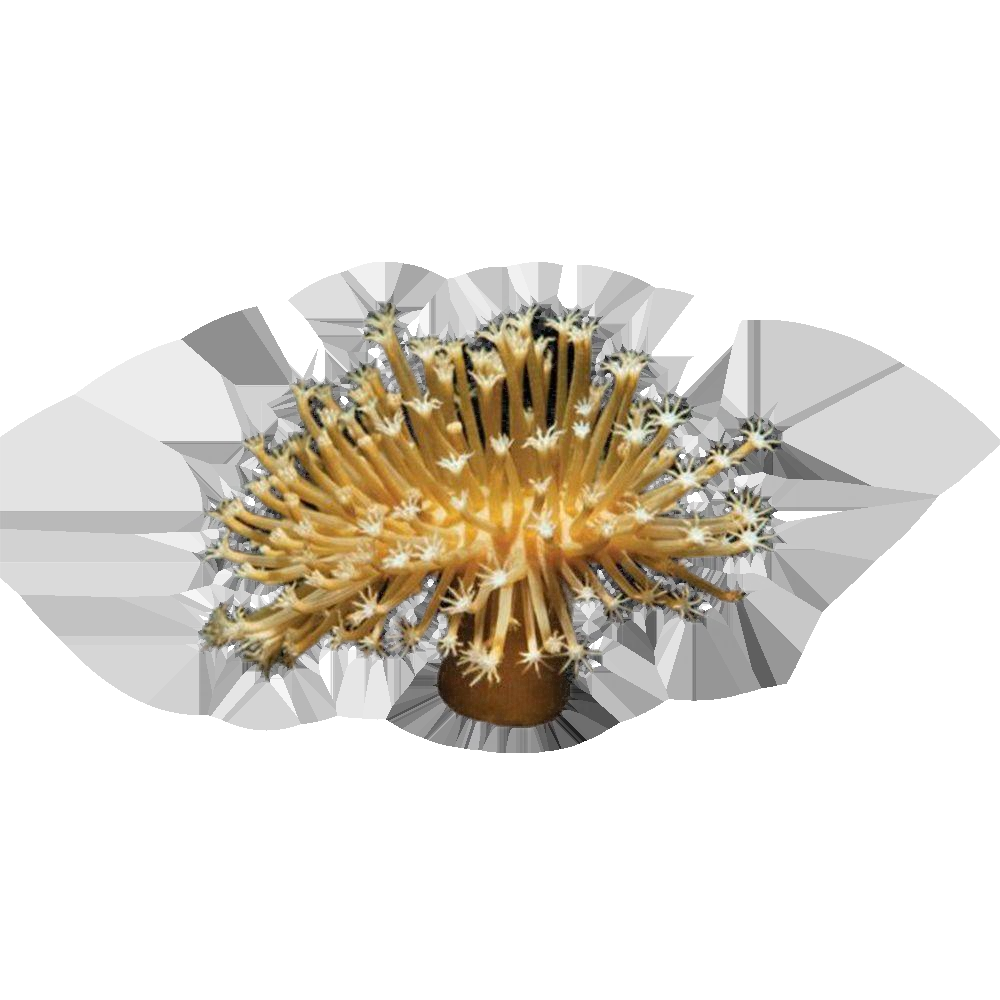
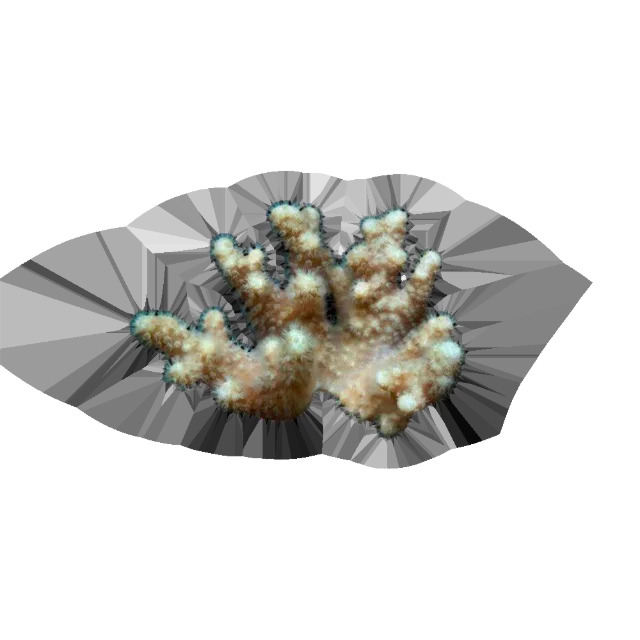
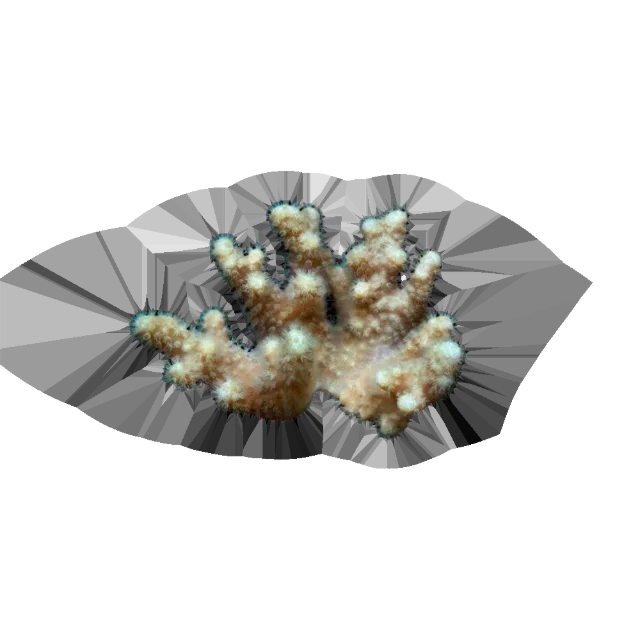
A hardy, fast-growing maricultured soft coral with long tan polyps that have white tips; easy to care for and adds great movement to the tank as its polyps sway in the flow.
Quick facts
Identity
- Also known as
- Toadstool leather coral; Green polyp toadstool; Mushroom leather coral
- Environment
- Saltwater
- Native to
- Indo-Pacific, Fiji, Great Barrier Reef (Australia), Tonga, Solomon Islands, Marshall Islands
- Habitat
- Shallow reef flats and lagoons with moderate to strong water movement and bright light, often found in large colonies on reef slopes.
- Sourcing
- Aquacultured
- Conservation
- Not Evaluated
Care
- Care level
- Easy
- Coral type
- Soft
- Temperament
- Semi-Aggressive
- Growth form
- Leather
- Adult size
- 1 – 12 in (2.5 – 30 cm)
- Spread
- 12 in (30 cm)
- Growth rate
- Fast
- Placement
- Middle, High
Water
- Temperature
- 76 – 80 °F (24 – 27 °C)
- pH
- 8.1 – 8.4
- dKH
- 8 – 10 dKH
- Salinity
- 1.025 – 1.026 SG
- PAR
- 100 – 200 PAR
- Flow
- Moderate
- Light
- Medium
Reef care
- Nutrient preference
- Medium
- Alk/Ca uptake
- Low
- Target feeding
- Beneficial
- Give it room
- 6 in (15 cm)
- Colors
- Green, Brown, Cream
Feeding & breeding
- Diet
- Photosynthetic
- Foods
- Phytoplankton, Coral food, Zooplankton
- Propagation
- Fragging
Something wrong or missing? Submit a correction
Care guide
Overview
Long polyps sway continuously in moderate to strong flow, extending heavily from a thick stalk topped with a broad cap once the colony is settled. Maricultured and fast growing, it adapts to varied lighting and periodically sheds a waxy film to stay clean. Space it well away from stony corals, since it produces chemical compounds that can inhibit their growth.
Care
This toadstool leather is one of the more forgiving soft corals for reef keepers of any experience level, tolerating a broad range of lighting and flow. It grows a distinct mushroom-shaped cap on a thick stalk, with polyps that extend heavily when the coral is settled and content. Periodically the colony sheds a waxy film over its surface to prevent algae buildup, during which it may look closed up and dull for a few days; this is normal and resolves once flow and stability return. Give it moderate to strong, indirect flow and room to expand, since a mature colony casts considerable shade on anything placed beneath it.
Placement & acclimation
Mount on sturdy rockwork mid to high in the tank using a rubber band or coral-safe adhesive until the base attaches naturally. Acclimate to light gradually over one to two weeks by starting at a lower position or reduced intensity, since sudden exposure to strong lighting can cause bleaching. Drip acclimation of 30-60 minutes for water parameters is also recommended before introduction.
Feeding
Most of its nutritional needs are met through the photosynthetic zooxanthellae housed in its tissue, so target feeding is not required. Occasional dosing of phytoplankton or other fine particulate coral foods can support faster growth and richer polyp extension, particularly in lower-light systems. Reduce or pause feeding during a shedding cycle, since the coral will not be actively extending polyps at that time.
Neighbors
Rather than stinging with sweeper tentacles, this species relies on chemical warfare, releasing terpenoid compounds into the water that can suppress the growth of nearby stony corals. Keep at least 6-8 inches of clearance from other corals, especially sensitive SPS and LPS species, and avoid placing it upstream of anything delicate. Running fresh activated carbon and maintaining a consistent water change schedule helps offset the buildup of these irritants in a mixed reef tank.
Fragging
Fragging is done by cutting sections of the cap or stalk with a sharp blade and allowing the cut tissue to heal, typically while resting the frag on a rack until it attaches to a new base. Colonies can also be propagated by allowing pieces of shed tissue or small offshoots to settle and grow independently. Healing is generally reliable, making this one of the easier soft corals to frag for hobbyist trade.
Pests & problems
A colony that stays contracted and closed for extended periods, well beyond a normal shedding cycle, usually signals insufficient flow, unstable water parameters, or irritation from nearby corals. Sudden increases in lighting intensity can cause bleaching, so any light changes should be introduced gradually. Watch the base for detritus accumulation or sand contact, which can lead to localized tissue irritation or recession if not addressed.
Sources
Varieties in the catalog
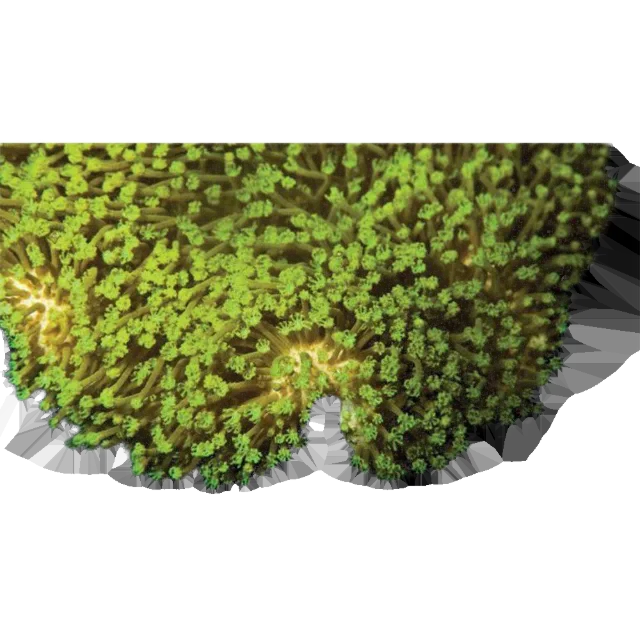
More Leather corals
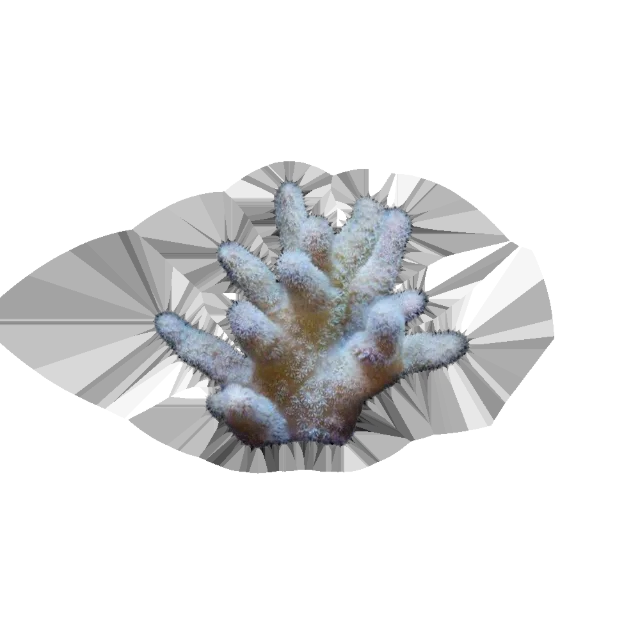
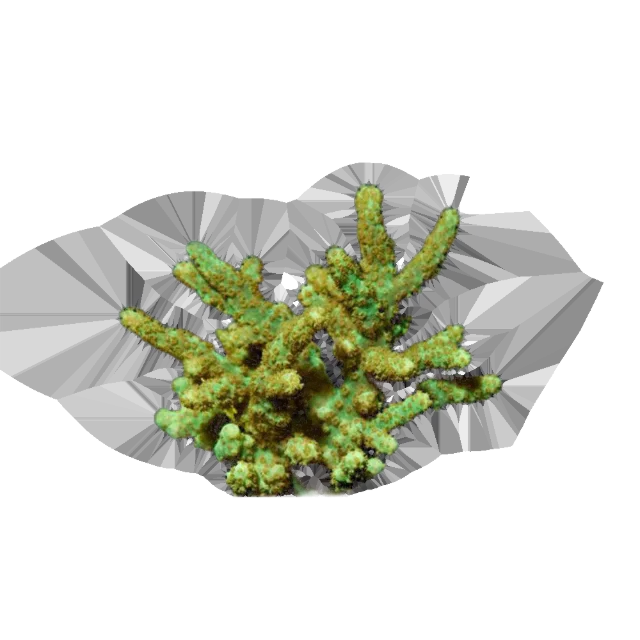
Something wrong or missing? Submit a correction
In the community
Popular tanks using ORA Long Polyp Leather Coral
No public tanks are showcasing ORA Long Polyp Leather Coral yet.