
Coral
ORA Fuzzy Lobo Lobophytum Coral
Lobophytum sp.AlcyoniidaeLeather corals
Add from My tanks →1 photos
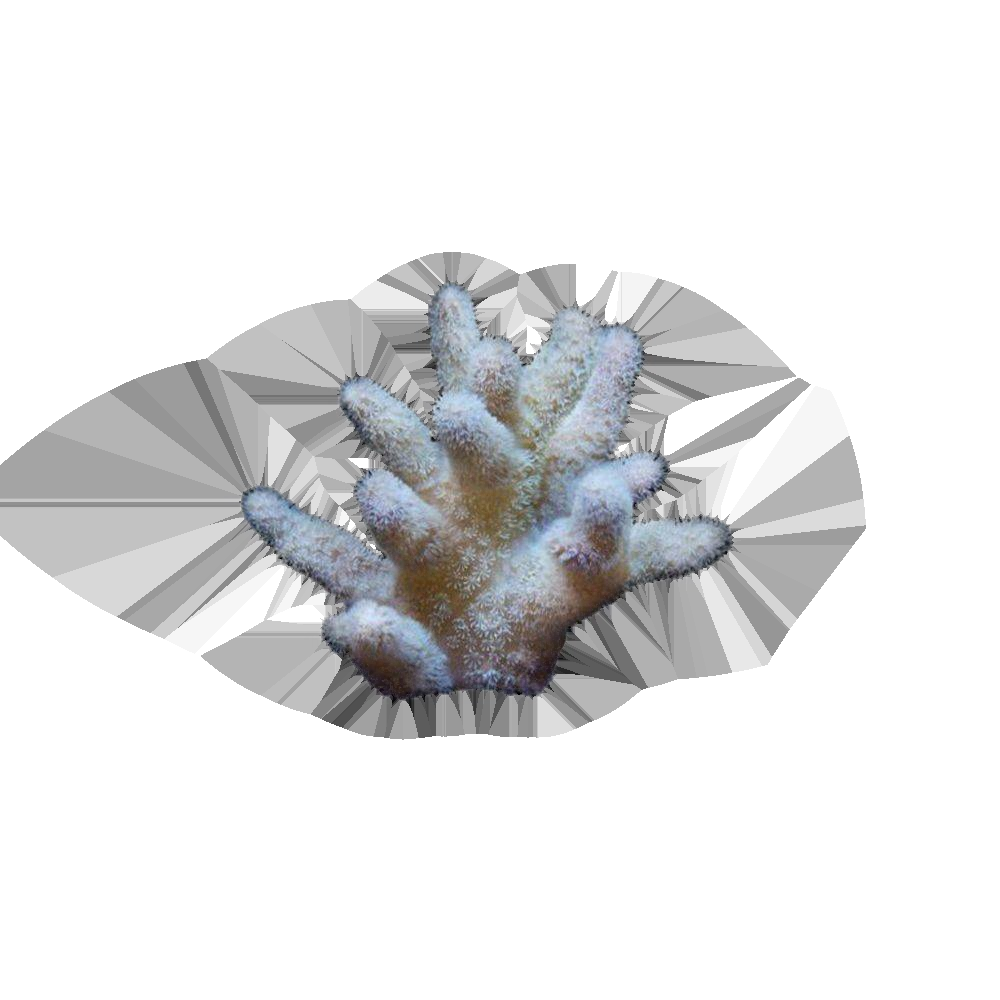
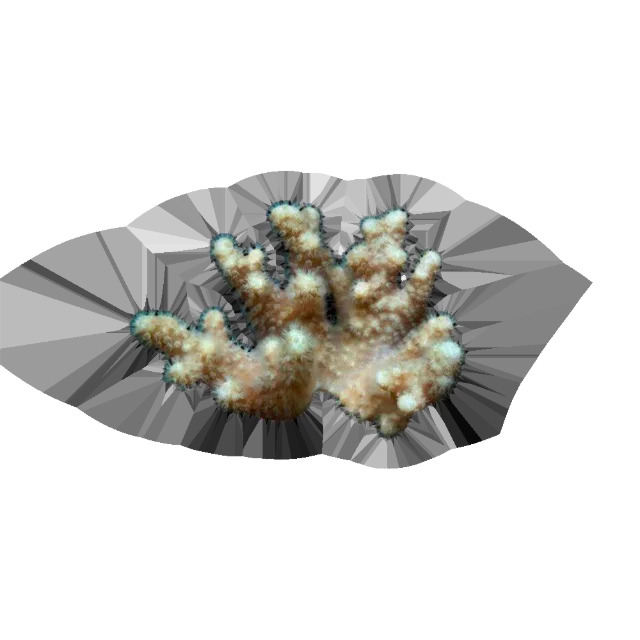
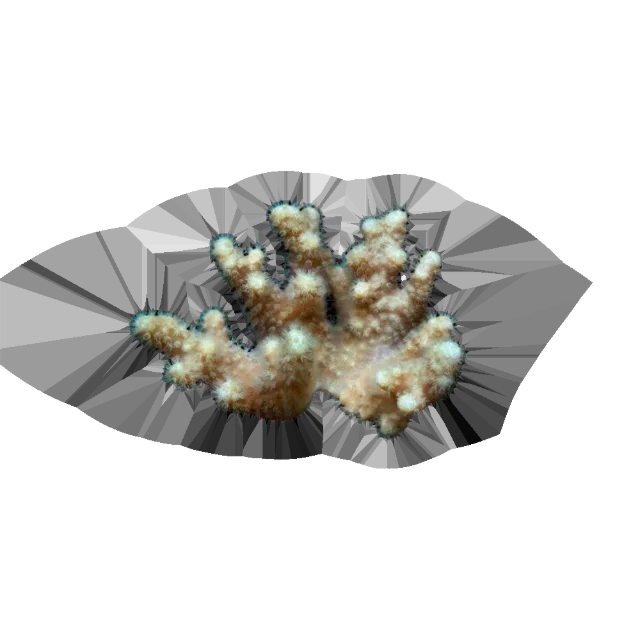
The ORA Fuzzy Lobo Lobophytum Coral is a maricultured soft coral from the Lobophytum genus known for its dense, fuzzy appearance and thick, folded lobes. It is hardy, fast-growing, and adapts well to a wide range of reef conditions with medium light (150-250 PAR) and medium flow, making it an easy choice for most aquariums.
Quick facts
Identity
- Also known as
- Devil Hand Leather; Lobed Leather Coral
- Synonyms
- Lobophyton sp.
- Environment
- Saltwater
- Native to
- Indo-Pacific, Indonesia, Philippines, Solomon Islands, Papua New Guinea, Great Barrier Reef, Fiji
- Habitat
- Reef slopes and lagoons, from shallow reef flats down to about 25 meters, in areas with moderate to strong water movement
- Sourcing
- Both
- Conservation
- Not Evaluated
Care
- Care level
- Easy
- Coral type
- Soft
- Temperament
- Peaceful
- Growth form
- Leather
- Adult size
- 2 – 12 in (5.1 – 30 cm)
- Spread
- 18 in (46 cm)
- Growth rate
- Fast
- Placement
- Low, Middle, High
Water
- Temperature
- 76 – 80 °F (24 – 27 °C)
- pH
- 8.1 – 8.4
- dKH
- 8 – 12 dKH
- Salinity
- 1.025 – 1.026 SG
- PAR
- 150 – 250 PAR
- Flow
- Moderate
- Light
- Medium
Reef care
- Nutrient preference
- Medium
- Alk/Ca uptake
- Low
- Target feeding
- Beneficial
- Give it room
- 6 in (15 cm)
- Colors
- Brown, Cream, Green
Feeding & breeding
- Diet
- Photosynthetic
- Foods
- Zooplankton, Phytoplankton, Coral food
- Propagation
- Fragging
Something wrong or missing? Submit a correction
Care guide
Overview
Propagated in captivity by ORA rather than collected from reef slopes, this Lobophytum colony forms dense, fuzzy-textured lobes that thicken and fold as the colony matures. It tolerates medium light and flow, sheds a waxy film periodically to stay clean, and grows quickly once established on rockwork with room to spread.
Care
This leather coral tolerates a wide swing in lighting and flow, making it forgiving for keepers who are still dialing in a new system. It periodically sheds a waxy film to clean off algae and detritus, usually appearing noticeably larger and glossier for a few days afterward. Moderate to strong flow helps this shedding process along and also delivers food particles, though flow strong enough to tear tissue should be avoided. Newly acquired frags with dull or dark coloration should be started in lower light and moved up gradually over several weeks.
Placement & acclimation
Acclimate gradually to aquarium lighting, especially deeper-collected or wild colonies with dark base coloration, by starting in dimmer light and increasing intensity over 30-60 days. Mount frags or colonies on rock work in low to high placement with open space around them, since the coral relies on expansion and periodic waxy shedding for health. Secure the base with reef-safe glue or epoxy putty until it attaches on its own.
Feeding
Most of its energy comes from the zooxanthellae living in its tissue, so daily feeding is not required for survival. Occasional dosing of phytoplankton, zooplankton, or amino acid supplements can support faster growth and fuller polyp extension. Target feeding is not necessary and this coral shows little direct feeding response compared to LPS species.
Neighbors
Leathers release terpenoid compounds into the water that can irritate some stony corals, so keeping some distance from SPS and sensitive LPS is worthwhile in mixed reef tanks. It does not carry stinging sweeper tentacles of concern, making it relatively safe to place near other soft corals and fish. Give the colony room to expand its lobes, since a mature specimen can spread considerably wider than its purchase size.
Fragging
Fragging is done by cutting healthy lobes or fingers from the parent colony with a sharp blade or scalpel and mounting the cut pieces onto plugs or rubble. Cut edges typically heal within one to two weeks in stable, well-flowed water, and new tissue will reattach to the substrate. Growth is relatively fast for a leather coral, so colonies can be fragged again within several months once recovered.
Pests & problems
Healthy specimens fully inflate and extend polyps for most of the day, only contracting briefly during shedding events or in response to poor water quality. Prolonged retraction, tissue recession, or a persistent slimy coating that does not clear after a few days can indicate stress from unstable parameters or insufficient flow. Predatory flatworms and some nudibranchs occasionally target leather corals, so new arrivals should be inspected and dipped before introduction.
Sources
More Leather corals
Something wrong or missing? Submit a correction
In the community
Popular tanks using ORA Fuzzy Lobo Lobophytum Coral
No public tanks are showcasing ORA Fuzzy Lobo Lobophytum Coral yet.