
Coral
ORA Easter Egg Chalice Coral
Oxypora sp.LobophylliidaeChalice corals
Add from My tanks →1 photos
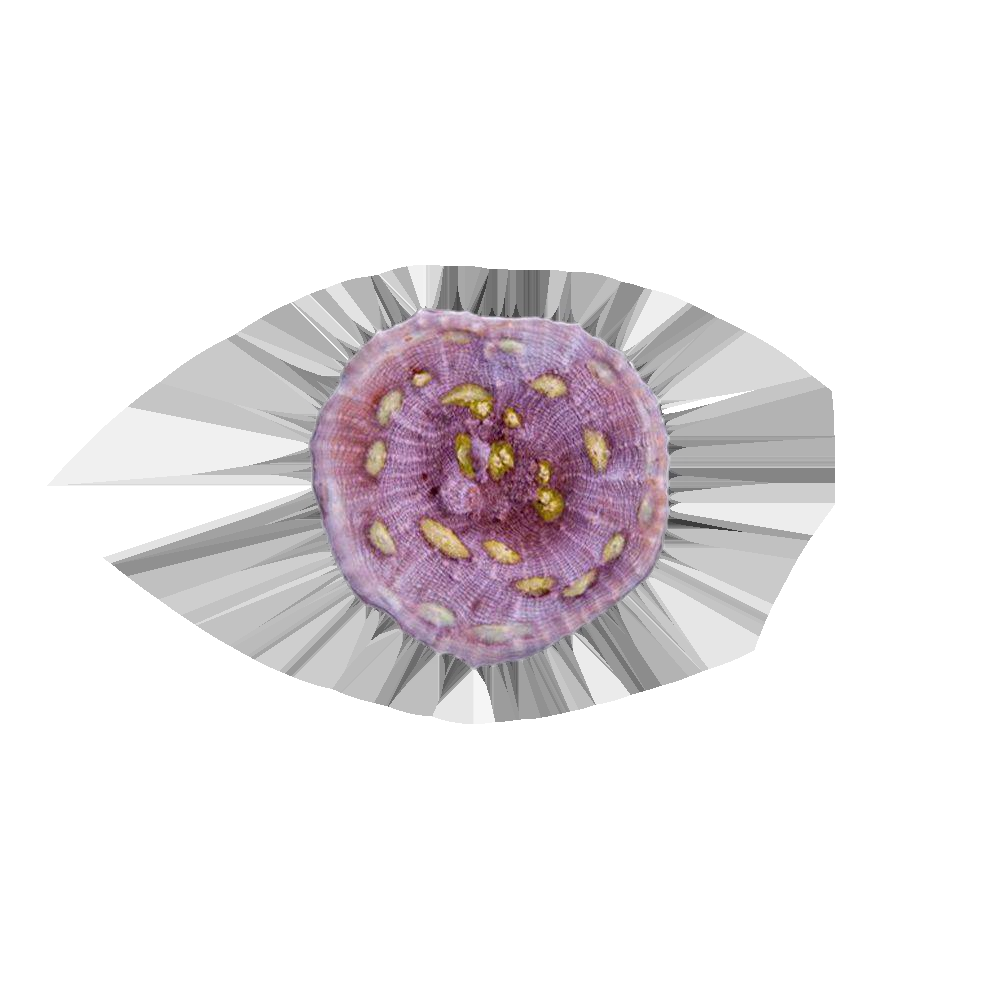
The ORA Easter Egg Chalice is a vibrant Oxypora coral with pink tissue and bright yellow oral disks. It is a hardy, fast-growing LPS with a thin plating growth pattern; frags are approximately 1.5 inches and come mounted on a cement aragonite disk, preferring medium light and medium flow.
Quick facts
Handling caution: Can sting via sweeper tentacles and toxic mucus; handle with gloves and avoid contact with skin
Identity
- Also known as
- Oxypora chalice
- Environment
- Saltwater
- Native to
- Indonesia, Australia, Fiji, Indo-Pacific
- Habitat
- Reef slopes and ledges in shaded, low-light areas with gentle to moderate water movement
- Sourcing
- Aquacultured
- Conservation
- Not Evaluated
Care
- Care level
- Moderate
- Coral type
- LPS
- Temperament
- Aggressive
- Growth form
- Plating
- Adult size
- 1.5 – 8 in (3.8 – 20 cm)
- Spread
- 12 in (30 cm)
- Growth rate
- Moderate
- Placement
- Low, Middle
Water
- Temperature
- 76 – 80 °F (24 – 27 °C)
- pH
- 8.1 – 8.4
- dKH
- 7.5 – 9.5 dKH
- Salinity
- 1.025 – 1.026 SG
- PAR
- 30 – 100 PAR
- Flow
- Low-Moderate
- Light
- Low
Reef care
- Nutrient preference
- Medium
- Alk/Ca uptake
- Medium
- Target feeding
- Beneficial
- Give it room
- 6 in (15 cm)
- Colors
- Pink, Yellow, Multicolor
Feeding & breeding
- Diet
- Photosynthetic
- Foods
- Frozen, Coral food, Zooplankton, Phytoplankton
- Propagation
- Fragging
Something wrong or missing? Submit a correction
Care guide
Overview
Frags measure roughly 1.5 inches across a cement aragonite disk and expand into thin plating with age. Pink tissue surrounds bright yellow oral disks, colors best expressed under diffused, lower-tier lighting. As with other Oxypora chalices, keepers should give it wide berth from neighbors and expect nocturnal sweeper tentacle activity.
Care
This chalice coral does best low in the tank where light is diffused, since its thin tissue bleaches or loses color quickly under intense illumination. Gentle, indirect flow across the plate keeps detritus from settling on the surface without stressing the fragile rim. Give it generous clearance from neighboring corals, as it extends sweeper tentacles after dark and can damage adjacent tissue on contact. Once placed on stable rockwork it should be left undisturbed, since frequent relocation increases the risk of recession.
Placement & acclimation
Acclimate gradually to light by starting in a shaded, lower position and raising PAR slowly over several weeks to avoid bleaching. Mount frags on stable rockwork low in the tank using reef-safe epoxy or by wedging into a rock crevice, allowing room for the plate to expand outward without obstruction. Avoid placing it in direct line of flow from powerheads, which can stress the delicate rim.
Feeding
Most of its nutrition comes from zooxanthellae, so supplemental feeding is optional rather than essential. Occasional target feeding with fine meaty foods such as minced mysis, rotifers, or reef roid style blends a few nights a week can improve coloration and growth. Broadcast feeding amino acids or planktonic foods once or twice weekly is usually sufficient given its modest appetite compared to other LPS.
Neighbors
Keep at least four to six inches of open space between this coral and any neighbor, since its sweeper tentacles and mucus can injure less aggressive corals overnight. It is best kept away from other chalices and encrusting LPS that might compete for the same rockwork. Fish that peck at LPS flesh, such as some butterflyfish, should be avoided in the same system.
Fragging
Fragging is done by carefully cutting or breaking off sections of the plating skeleton with a coral saw or shears, since the thin structure is brittle and easily cracked. Fresh cuts should be allowed to heal in low-flow, low-light conditions for several weeks before being moved to a permanent display position. Handle frags minimally during this recovery period to reduce the chance of infection or tissue recession.
Pests & problems
Watch the thin plating edge for vermetid snails, hydroids, or detritus buildup, since these can erode tissue along the margin over time. Excess light or sudden PAR increases often cause bleaching or washed-out color rather than immediate tissue loss. Gaping tissue with exposed skeleton signals stress from unstable alkalinity, temperature swings, or chemical irritation from nearby corals, and warrants checking parameters and reducing flow or light temporarily.
Sources
More Chalice corals
Something wrong or missing? Submit a correction
In the community
Popular tanks using ORA Easter Egg Chalice Coral
No public tanks are showcasing ORA Easter Egg Chalice Coral yet.