
Aquatic Plant
Ludwigia Brevipes
Ludwigia brevipesOnagraceaeStem plants
Price: $6.99 USD
Add from My tanks →1 photos
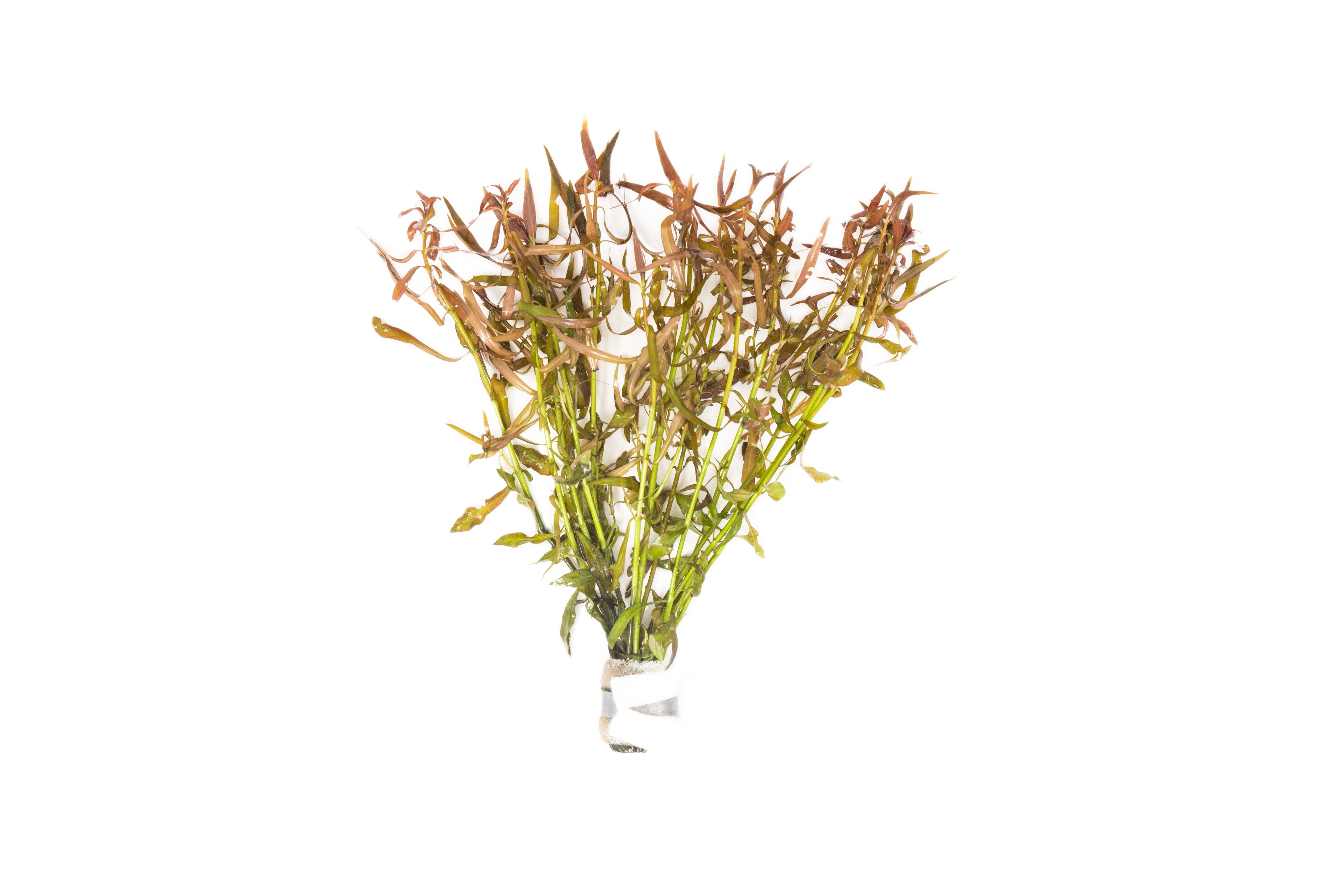
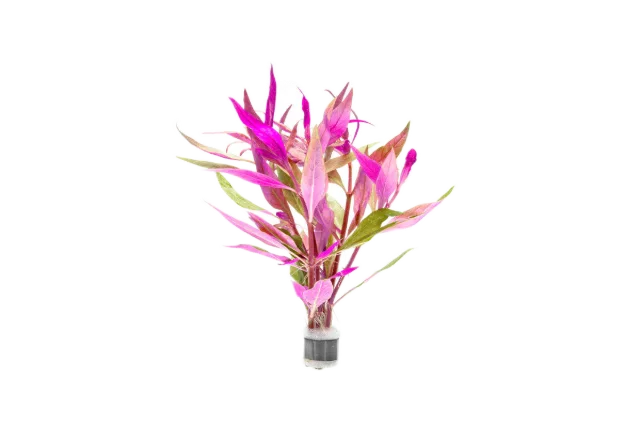
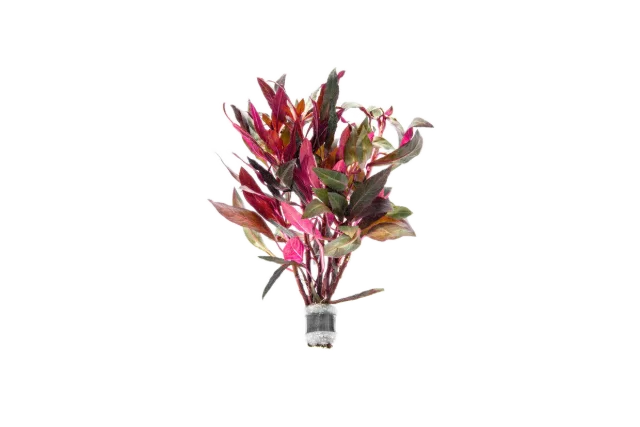
Ludwigia brevipes is a delicate, fast-growing stem plant from the coastal wetlands of the Southeastern U.S., with long, narrow needle-like leaves transitioning from yellow-green to fiery orange and copper-red at the shoot tips. Easy and adaptable, it needs medium to high light, benefits from CO2 and iron-rich fertilization for deepest color, and propagates from stem cuttings.
Quick facts
Identity
- Also known as
- Long Beach Primrose; Short-stem Ludwigia
- Environment
- Freshwater
- Native to
- United States (Florida, Texas, Louisiana, southeastern coastal states)
- Habitat
- Wetland edges, ponds, and streams of the southeastern US coastal plain, growing both submersed and emersed
- Sourcing
- Aquacultured
- Conservation
- Not Evaluated
Care
- Care level
- Easy
- Growth form
- Stem
- Max height
- 4 – 12 in (10 – 30 cm)
- Spread
- 4 in (10 cm)
- Growth rate
- Fast
- Placement
- Midground
Water
- Temperature
- 68 – 82 °F (20 – 28 °C)
- pH
- 5.5 – 7.0
- GH
- 2 – 16 dGH
- PAR
- 40 – 80 PAR
- Flow
- Low-Moderate
- Light
- Medium
- CO₂
- Beneficial
Planting
- Substrate
- Nutrient-rich preferred
- Feeds from
- Both
- Fertilizer needs
- Medium
- Colors
- Green, Orange, Red
Feeding & breeding
- Propagation
- Cuttings
Something wrong or missing? Submit a correction
Care guide
Overview
Slender stems reach up to a foot tall, clothed in thin, needle-like leaves that shift from yellow-green to copper and orange near the growing tips. Fast-growing and adaptable, it fills the midground of a planted tank and takes readily from cuttings. Medium light with low nitrate and steady iron dosing brings out the strongest tip coloration.
Care
A narrow-leaved Ludwigia that stays hardy across a wide range of water conditions, making it forgiving for less experienced planters. Under medium light it remains a soft green, while stronger light combined with low nitrate pushes new growth toward orange and copper-red. Regular trimming above a lower node encourages branching from the base, producing a fuller, bushier stem rather than a single leggy shoot.
Planting & trimming
Insert bare stem cuttings directly into the substrate, spacing them roughly an inch apart so light reaches the lower portions and encourages upright rather than sprawling growth. It can also be grown emersed along a paludarium margin or bog setup, where it stays lower and spreads by creeping stems. Trim the tops periodically to maintain a dense shrub shape and prevent the plant from stretching toward the light source.
Fertilizing
Root tabs pushed near the base support steady growth in inert substrates, while a liquid all-in-one fertilizer supplies iron and micronutrients for color development. Keeping nitrate on the low side while maintaining other nutrients tends to intensify the orange-red tones at the growing tips. Yellowing or stunted new leaves usually point to a nutrient shortfall rather than disease, and correcting dosing typically resolves it within a couple of weeks.
Propagation
Propagation is by stem cuttings: snip a healthy shoot, strip the lower leaves, and push the bare stem into the substrate, where roots typically form within one to two weeks. Removing the top of a stem also triggers branching from the lower nodes on the parent plant, which is a convenient way to bulk up a stand without taking a full cutting. Lateral shoots that form naturally can likewise be separated and replanted.
Problems
New stems sometimes drop a few lower leaves after planting as they adjust to submersed conditions, which is normal and not a sign of failure. Algae can settle on the fine leaves if light is too strong relative to available nutrients and flow, so balancing these three factors keeps the foliage clean. Removing any decaying leaf tissue promptly helps prevent it from fouling water quality in a densely planted section.
Sources
More Stem plants
Something wrong or missing? Submit a correction
In the community
Popular tanks using Ludwigia Brevipes
No public tanks are showcasing Ludwigia Brevipes yet.