
Aquatic Plant
Lobelia Cardinalis Red
Lobelia cardinalisCampanulaceaeStem plants
Price: $9.99 USD
Add from My tanks →1 photos
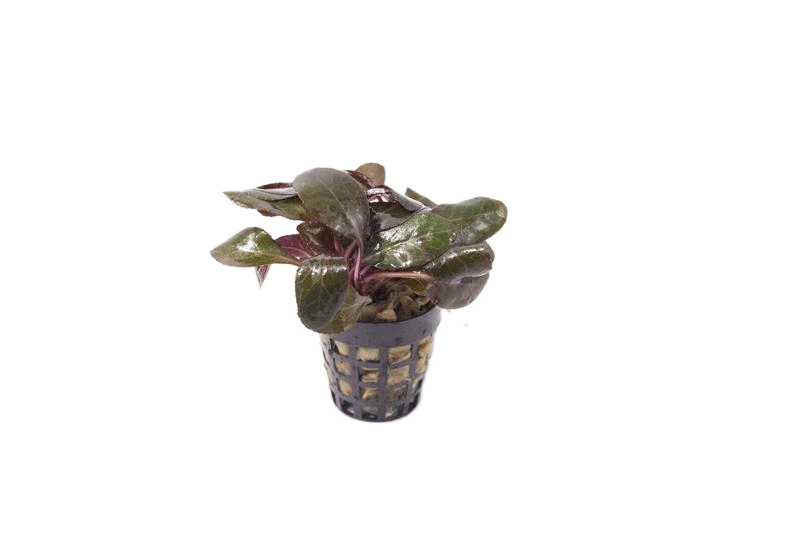
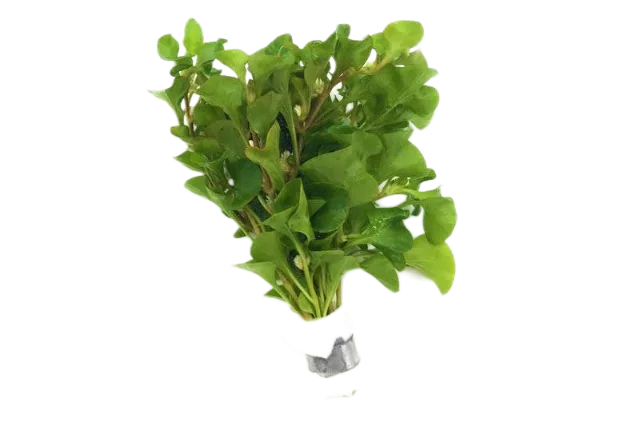
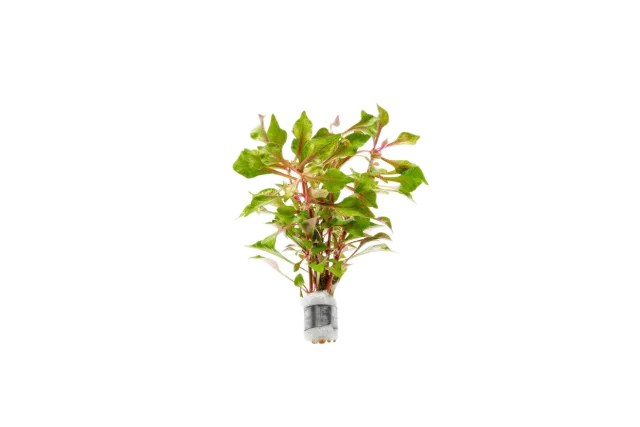
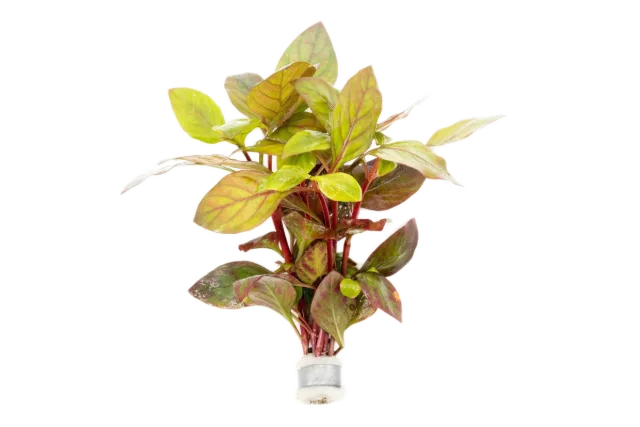
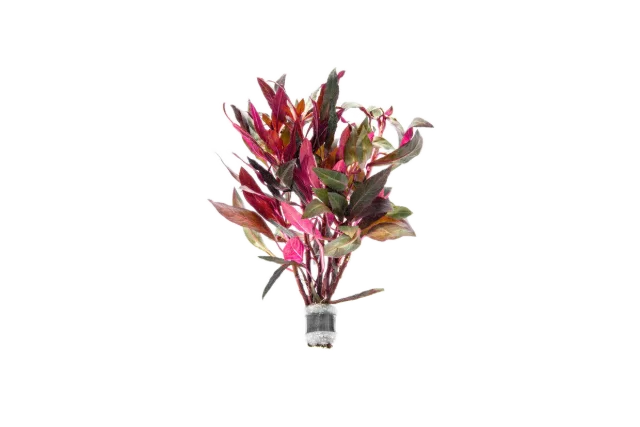
Red Cardinal Plant is a marsh plant native to the US, found along streams, rivers and waterways. Leaves are typically green when grown submerged, but as the plant reaches the surface, emersed leaves develop a red or purple tint; easy care with medium light.
Quick facts
Identity
- Also known as
- Red Lobelia; Emersed Cardinal Flower
- Synonyms
- Lobelia cardinalis 'Wavy'; Lobelia cardinalis 'Gigantea'
- Environment
- Freshwater
- Native to
- Eastern and central United States, southeastern Canada, Mexico, Central America
- Habitat
- Wet stream banks, ditches, marshes, swamps, and pond edges, usually growing emersed as a bog plant along moving or standing water
- Sourcing
- Aquacultured
- Conservation
- Not Evaluated
Care
- Care level
- Easy
- Growth form
- Stem
- Max height
- 4 – 12 in (10 – 30 cm)
- Spread
- 4 in (10 cm)
- Growth rate
- Slow
- Placement
- Foreground, Midground
Water
- Temperature
- 64 – 79 °F (18 – 26 °C)
- pH
- 6.0 – 7.5
- GH
- 4 – 15 dGH
- dKH
- 2 – 14 dKH
- PAR
- 30 – 80 PAR
- Flow
- Low-Moderate
- Light
- Medium
- CO₂
- Beneficial
Planting
- Substrate
- Nutrient-rich preferred
- Feeds from
- Both
- Fertilizer needs
- Medium
- Colors
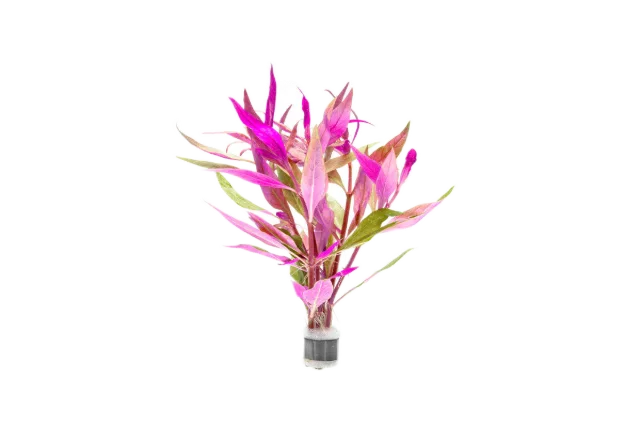
- Green, Red, Purple
Feeding & breeding
- Propagation
- Cuttings
Something wrong or missing? Submit a correction
Care guide
Overview
Red Cardinal Plant is a bog-dwelling stem plant that grows green underwater but flushes red to purple in its leaves once stems reach the surface and switch to emersed growth. It forms compact bushes rather than leggy stalks and tolerates a broad temperature range. Medium light and regular fertilizing keep growth dense and colorful at the waterline.
Care
A slow-growing stem plant that forms tidy, compact bushes rather than tall spindly stems, making it well suited to the foreground or midground of an aquascape. It tolerates a wide temperature range and adapts to both submersed and emersed cultivation, though the leaf shape changes noticeably between the two forms. Medium to high light gives the most compact growth and best coloration, but the plant survives without CO2 injection, only growing more slowly and with looser leaves under low light.
Planting & trimming
Plant individual stems or small groups directly into a nutrient-rich substrate, spacing them loosely so light reaches the lower leaves. Trim by topping the main shoot or cutting side shoots, then replant the cuttings to keep the group dense and encourage lateral branching. Shortening the interval between trims produces the tightly packed "plant street" effect favored in Dutch-style layouts.
Fertilizing
Root tabs pushed near the root mass support steady growth since this species draws nutrients through both roots and the water column. Regular liquid fertilizing with nitrate, phosphate and a full micronutrient mix, including iron, encourages fuller lateral branching. Pale or yellowing new leaves usually point to iron or micronutrient deficiency rather than a macro shortage.
Propagation
Propagate by cutting side shoots or topping stems and replanting the cuttings directly into the substrate, where they root readily. Division of an established clump is also possible. Seed propagation is used for the terrestrial/emersed form but is uncommon in aquarium culture.
Problems
Newly submerged emersed-grown specimens often drop or reabsorb their original leaves before pushing out narrower, lighter green underwater foliage, which can look like a setback but is a normal conversion process. Shading from faster-growing neighbours causes lower leaves to yellow and drop, so give it an open, well-lit spot. Root nodes along the stem tend to sprout white roots, which can be trimmed away for a tidier appearance.
Sources
Varieties in the catalog
More Stem plants
Something wrong or missing? Submit a correction
In the community
Popular tanks using Lobelia Cardinalis Red
No public tanks are showcasing Lobelia Cardinalis Red yet.