
Aquatic Plant
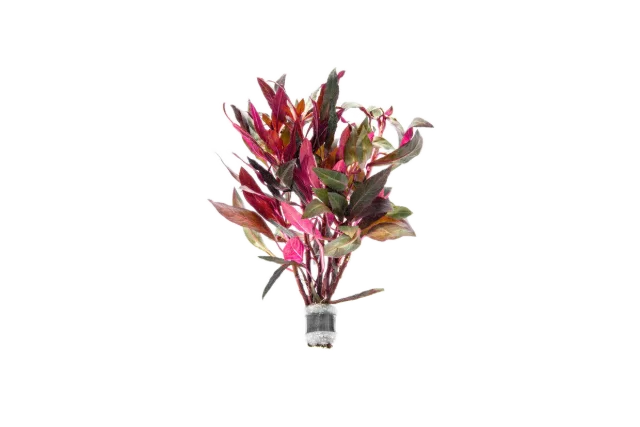
Hygrophila Siamensis
Hygrophila siamensisAcanthaceaeStem plants
Price: $20.97 USD
Add from My tanks →2 photos
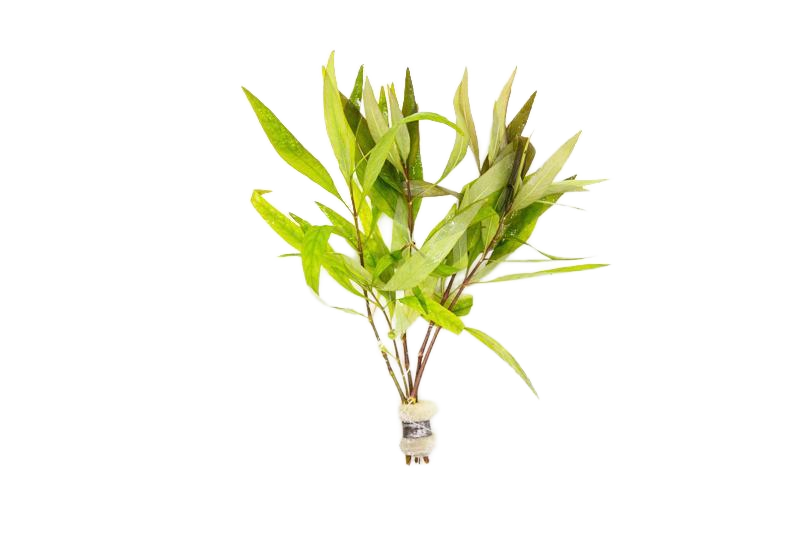
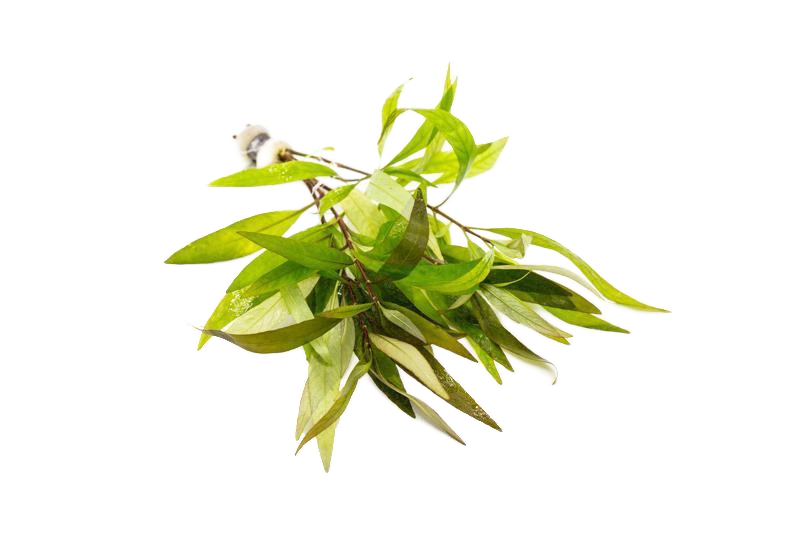
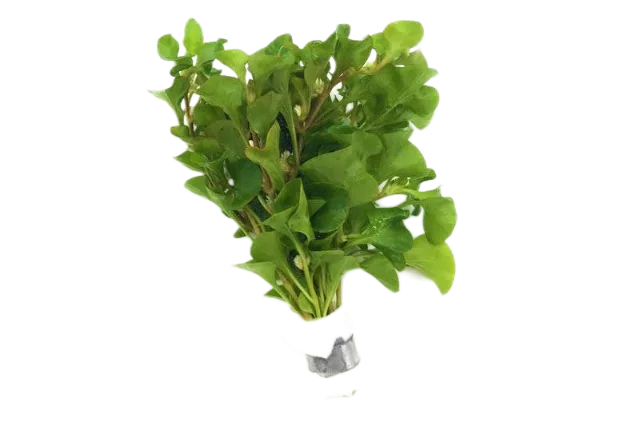
Hygrophila Siamensis is a robust aquatic plant perfect for beginners trying stem plants for the first time, popular for its beauty and easy care. It thrives in a wide variety of freshwater aquariums given some lighting; a fast grower that propagates by cutting and replanting stems.
Quick facts
Identity
- Also known as
- Temple plant; Giant hygro; Nomaphila Stricta; Siamensis 53B
- Synonyms
- Hygrophila corymbosa 'Siamensis'; Nomaphila stricta; Nomaphila siamensis
- Environment
- Freshwater
- Native to
- Thailand, Cambodia, Southeast Asia
- Habitat
- Marshes, ditches, rice paddies, and slow-moving or seasonally flooded waterways in Southeast Asia
- Sourcing
- Aquacultured
- Conservation
- Not Evaluated
Care
- Care level
- Easy
- Growth form
- Stem
- Max height
- 4 – 16 in (10 – 41 cm)
- Spread
- 6 in (15 cm)
- Growth rate
- Fast
- Placement
- Midground, Background
Water
- Temperature
- 68 – 86 °F (20 – 30 °C)
- pH
- 6.0 – 7.5
- GH
- 2 – 18 dGH
- PAR
- 30 – 80 PAR
- Flow
- Low-Moderate
- Light
- Medium
- CO₂
- Beneficial
Planting
- Substrate
- Nutrient-rich preferred
- Feeds from
- Both
- Fertilizer needs
- Medium
- Colors
- Green
Feeding & breeding
- Propagation
- Cuttings
Something wrong or missing? Submit a correction
Care guide
Overview
Stems reach 4 to 16 inches tall and spread up to 6 inches wide, forming a dense background hedge within weeks. Growth is fast under medium light without added CO2, and topping cuttings root readily within a couple of weeks. New leaves show nutrient deficiency first, so steady root and liquid feeding keeps foliage full and green.
Care
This stem plant tolerates a wide range of light levels and does not require injected CO2, though growth is fuller and leaves stay denser under medium to bright light. Stems grow quickly and can reach the surface within weeks in smaller tanks, so regular topping keeps the plant bushy and prevents it from shading out neighbors. It adapts readily to being grown emersed, producing broader, slightly bluish leaves above the waterline in open-top setups or paludariums.
Planting & trimming
Plant groups of three to five stems with a couple of nodes buried in the substrate, spacing them a few inches apart to allow for the broad leaves to spread. Once a stem reaches the surface, cut the top few inches and replant it; the cutting roots within one to two weeks and the remaining lower stem will branch into new side shoots. Trim regularly to maintain a bushy background hedge rather than a few tall, leggy stems.
Fertilizing
Growth responds well to a nutrient-rich substrate combined with root tabs, since the plant draws a portion of its nutrition through its roots. Liquid fertilizer dosed for iron and other micronutrients helps keep new leaves a healthy green and prevents pale or yellowing growth. Deficiencies typically show first in the newer top leaves, so a consistent dosing routine avoids stunted or discolored shoots.
Propagation
Propagation is by cutting the growing tip and replanting it directly into the substrate, where it forms roots within a week or two. The original lower stem left behind will usually branch and produce multiple new shoots, allowing a single plant to multiply steadily over time.
Problems
Established stems rarely melt, but freshly planted or emersed-grown specimens can shed their lower leaves as they adjust to submersed conditions before pushing new growth. Low light or a lack of root feeding tends to produce leggy stems with sparse foliage near the base. Given adequate nutrients this plant is otherwise resistant to common algae problems since its fast growth outcompetes algae for resources.
Sources
Varieties in the catalog
More Stem plants
Something wrong or missing? Submit a correction
In the community
Popular tanks using Hygrophila Siamensis
No public tanks are showcasing Hygrophila Siamensis yet.