
Aquatic Plant
Eusteralis Stellata / Pogostemon Stellatus
Pogostemon stellatusLamiaceaeStem plants
Price: $20.97 USD
Add from My tanks →1 photos
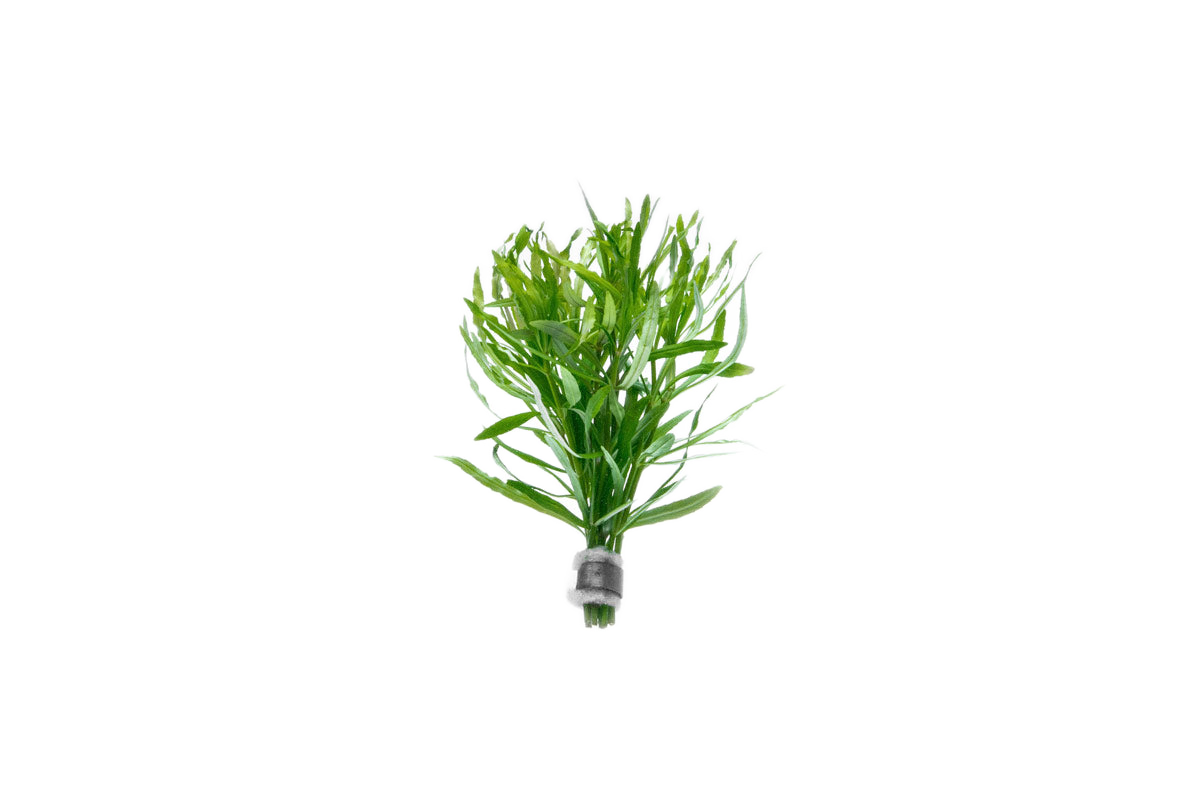
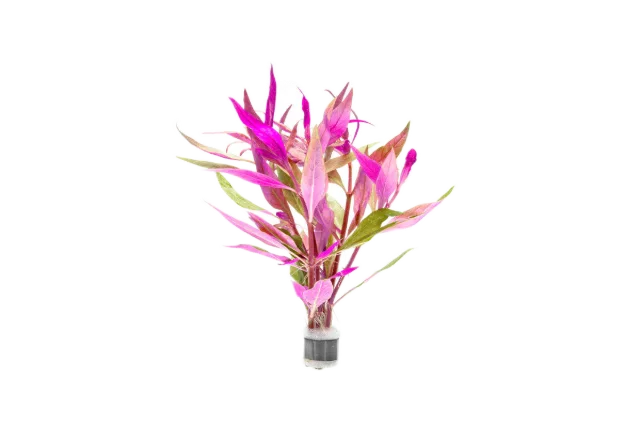
Pogostemon Stellatus is a classic aquatic stem plant prized for fine-textured, star-like whorls of foliage and a versatile color range from light green and golden-orange to deep pink and magenta. When pruned routinely, it branches into dense, colorful bushes that serve as dramatic midground and background focal points.
Quick facts
Identity
- Also known as
- Star Pogostemon; Water Star; Pogostemon Octopus; Pogostemon Narrow Leaf
- Synonyms
- Eusteralis stellata
- Environment
- Freshwater
- Native to
- Southeast Asia, Australia
- Habitat
- Seasonally wet marshes, swamps and rice paddies in tropical Asia and northern Australia, growing partly emersed in soft, nutrient-rich mud
- Sourcing
- Aquacultured
- Conservation
- Not Evaluated
Care
- Care level
- Difficult
- Growth form
- Stem
- Max height
- 4 – 20 in (10 – 51 cm)
- Spread
- 8 in (20 cm)
- Growth rate
- Fast
- Placement
- Midground, Background
Water
- Temperature
- 72 – 82 °F (22 – 28 °C)
- pH
- 6.0 – 7.0
- GH
- 3 – 12 dGH
- Flow
- Moderate
- Light
- High
- CO₂
- Required
Planting
- Substrate
- Nutrient-rich required
- Feeds from
- Both
- Fertilizer needs
- High
- Colors
- Green, Red, Pink, Orange, Purple
Feeding & breeding
- Propagation
- Cuttings
Something wrong or missing? Submit a correction
Care guide
Overview
Narrow leaves radiate in star-shaped whorls along upright stems, shifting from light green to golden-orange, pink or magenta depending on light intensity. It demands high light, injected CO2 and steady fertilising to hold color and density, making it a midground or background choice for experienced planted-tank keepers. Regular top-trimming keeps stands bushy rather than leggy.
Care
Star pogostemon rewards strong light and consistent CO2 injection with dense whorls of narrow leaves that flush pink, orange and purple, but it stalls or reverts to pale, stunted growth if any parameter slips. Give it a nutrient-rich substrate supplemented with root tabs and keep macro and micronutrient dosing steady, since deficiencies show up quickly as pale or curled new leaves. Plant stems with a few inches of space between them so lower leaves keep receiving light as the stand grows tall, and expect an adjustment period as nursery-grown emersed stock converts to its submersed form.
Planting & trimming
Plant individual stems separately in the substrate with a few inches of spacing so each stand receives light down its length; root tabs pushed near the base help establish strong roots. As stems reach the surface, trim the tops and replant the cuttings, leaving the lower stem in place to send out fresh side shoots. Regular pruning keeps growth bushy and prevents the plant from becoming leggy or shading its own lower leaves.
Fertilizing
This is a heavy root and water column feeder, so combine root tabs at planting with a regular liquid fertiliser dosing routine covering nitrate, phosphate and trace elements, especially iron. Pale or yellowing leaves near the growing tip usually indicate a micronutrient shortfall rather than disease, while stunted, curled tips point to inadequate CO2 or macronutrients. Because it grows quickly under good light, it draws down nutrients fast and benefits from consistent, rather than sporadic, feeding.
Propagation
Propagation is by simple stem cuttings: snip a few inches off the top of a healthy stem and replant the cutting directly into the substrate, where it roots and branches readily. The cut lower portion left in the substrate will also push out new side shoots, so a single stand can be multiplied repeatedly. Removing some side shoots keeps the remaining stems from becoming overcrowded and encourages fuller, bushier growth.
Problems
Sudden, unexplained stalls in growth are common even under seemingly good conditions, and moving the plant to a different spot in the tank often triggers a rebound. Lower leaves drop readily in insufficient light, leaving bare stems, so trimming and replanting the tops is the usual fix. Newly submersed stems, especially those converted from emersed nursery stock, often melt back before reconverting to their true underwater leaf form, and algae fouling on leaves usually points to excess light relative to available nutrients and flow rather than a plant problem itself.
Sources
More Stem plants
Something wrong or missing? Submit a correction
In the community
Popular tanks using Eusteralis Stellata / Pogostemon Stellatus
No public tanks are showcasing Eusteralis Stellata / Pogostemon Stellatus yet.