
Coral
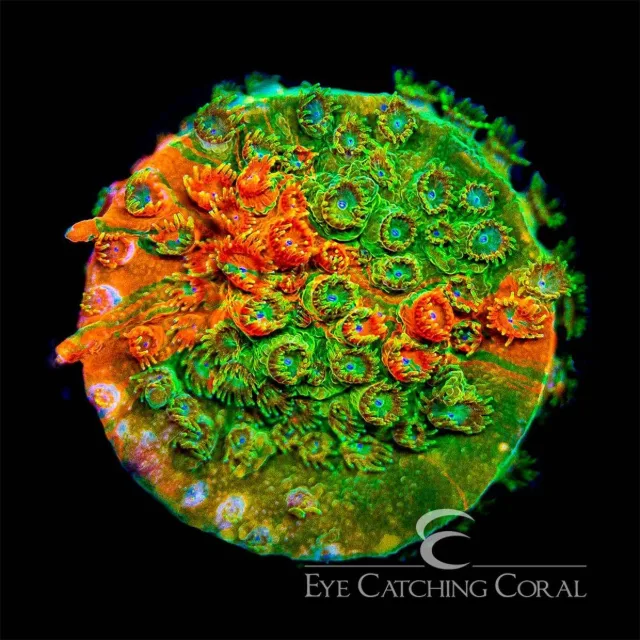
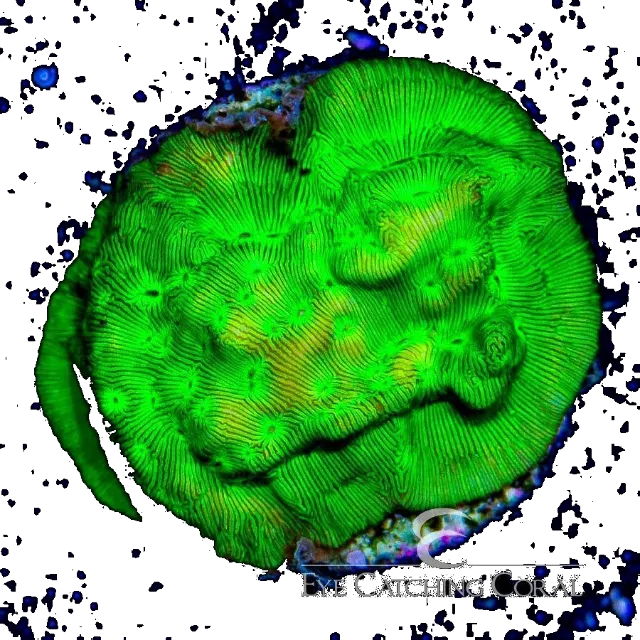
ECC Hawaiian Sunset Blastomussa Merletti
Blastomussa merletiLobophylliidaeLPS corals
Add from My tanks →1 photos
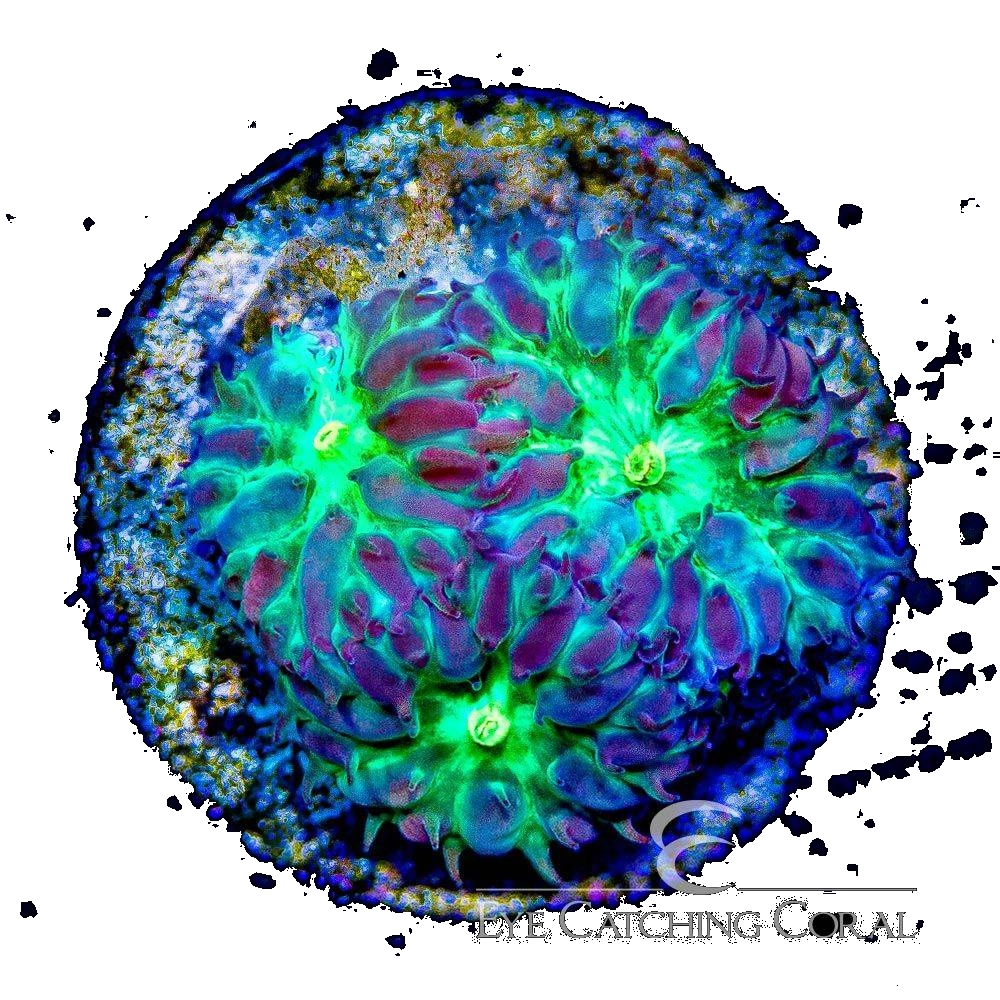
ECC Hawaiian Sunset Blastomussa merletti, often called a Blasto for short, forms button-like polyps with vivid green rims and mouths over red to magenta tissue, often with warm orange highlights; start it in a lower-light area with gentle, indirect flow so the polyps can fully expand; mount on stable rock or sand with a bit of space from any aggressive neighbors; keep alkalinity, calcium, and magnesium steady with nutrients above zero; occasional feedings can help support long-term growth. Care level: Moderate; coral type: LPS (Large Polyp Stony); lighting: Low (75-150 PAR); flow: Low; temperament: Peaceful; placement: Rockwork; approximate purchase size: 3/4"; while not particularly aggressive, blastomussa corals will fight any corals they come into direct contact with; primarily relies on photosynthesis but benefits from occasional coral foods and amino acids; steady growers with a mounding, encrusting growth pattern.
Quick facts
Handling caution: Minor stinging sweeper tentacles; wear gloves when handling to avoid skin irritation
Identity
- Also known as
- Pineapple coral; Branched cup coral; Merlet's coral
- Synonyms
- Blastomussa merletti
- Environment
- Saltwater
- Native to
- Indo-Pacific, Red Sea, Great Barrier Reef, Solomon Islands, Fiji
- Habitat
- Protected reef slopes and lagoons at 10-130 ft depth, often in shaded areas under overhangs or crevices with low light and gentle flow
- Sourcing
- Both
- Conservation
- Not Evaluated
Care
- Care level
- Easy
- Coral type
- LPS
- Temperament
- Peaceful
- Growth form
- Colonial polyps
- Adult size
- 0.8 – 2 in (1.9 – 5.1 cm)
- Spread
- 12 in (30 cm)
- Growth rate
- Slow
- Placement
- Low, Sand bed
Water
- Temperature
- 75 – 81 °F (24 – 27 °C)
- pH
- 8.1 – 8.4
- dKH
- 8 – 12 dKH
- Salinity
- 1.023 – 1.026 SG
- PAR
- 50 – 150 PAR
- Flow
- Low
- Light
- Low
Reef care
- Nutrient preference
- Medium
- Alk/Ca uptake
- Medium
- Target feeding
- Beneficial
- Give it room
- 4 in (10 cm)
- Colors
- Green, Red, Purple, Orange
Feeding & breeding
- Diet
- Omnivore
- Foods
- Frozen, Zooplankton, Phytoplankton, Coral food
- Propagation
- Fragging
Something wrong or missing? Submit a correction
Care guide
Overview
Hawaiian Sunset is a color variant of Blastomussa merleti, displaying button-like polyps with green rims and mouths over red-to-magenta tissue and warm orange highlights. Colonies form slowly under low light and gentle flow, budding new heads over years rather than months. Keepers should provide stable water chemistry and a few inches of clearance from other corals.
Care
Blastomussa merleti tolerates a range of beginner and intermediate reef setups as long as lighting stays subdued and flow remains gentle and indirect. Mount fragments on stable rockwork rather than loose sand, since the branching base needs a secure hold, and leave several inches of clearance from more aggressive corals. Alkalinity, calcium, and magnesium should be kept stable rather than chased to exact numbers, since sudden swings stress the polyps more than moderate deviations from ideal.
Placement & acclimation
Acclimate gradually to lower-light placement, since these corals are adapted to shaded reef slopes and can bleach under strong lighting introduced too quickly. Mount frags on rockwork or a plug wedged into a rock crevice in the lower to middle third of the tank, avoiding loose sand where possible despite occasional reports of natural sand-bed growth in the wild. Position away from direct flow so polyps can fully inflate.
Feeding
Most of its nutrition comes from zooxanthellae, but occasional spot-feeding of mysis, chopped meaty foods, or coral pellets encourages fuller polyp extension and faster tissue growth. Feed once or twice a week with a turkey baster or tweezers, targeting individual polyps after the lights dim so they stay extended and receptive. Overfeeding or allowing detritus to settle among the polyps can foul water quality without adding much visible benefit.
Neighbors
Its sweeper tentacles reach only an inch or two and rarely cause harm, but Blastomussa still loses turf wars with more aggressive LPS, torch corals, or hammer corals that grow into contact with it. Give it a few inches of open space on all sides and avoid placing it downstream of corals with long sweepers. It pairs well with other shade-loving softies and LPS that share its preference for low light and gentle flow.
Fragging
Colonies are fragged by cutting the branching stony base between polyps with a coral saw or Dremel, ideally leaving one to three polyps per frag. Fresh cuts should be moved to a low-light, low-flow recovery area for a week or two before returning to normal display conditions. New growth also occurs naturally as the colony buds additional polyps around its base over time.
Pests & problems
Brown jelly infection and tissue recession can appear after physical damage or prolonged high flow that abrades the polyps, so handle fragging cuts carefully and let new frags recover in a calm, low-light area. Bleaching or dulled coloration usually signals too much light rather than too little. Flatworms and nudibranchs occasionally target Blastomussa and should be dipped for and removed promptly if noticed.
Sources
Varieties in the catalog
More LPS corals
Something wrong or missing? Submit a correction
In the community
Popular tanks using ECC Hawaiian Sunset Blastomussa Merletti
No public tanks are showcasing ECC Hawaiian Sunset Blastomussa Merletti yet.