
Aquatic Plant
Cuphea Annagalloidea
Cuphea anagalloideaLythraceaeStem plants
Price: $9.99 USD
Add from My tanks →2 photos
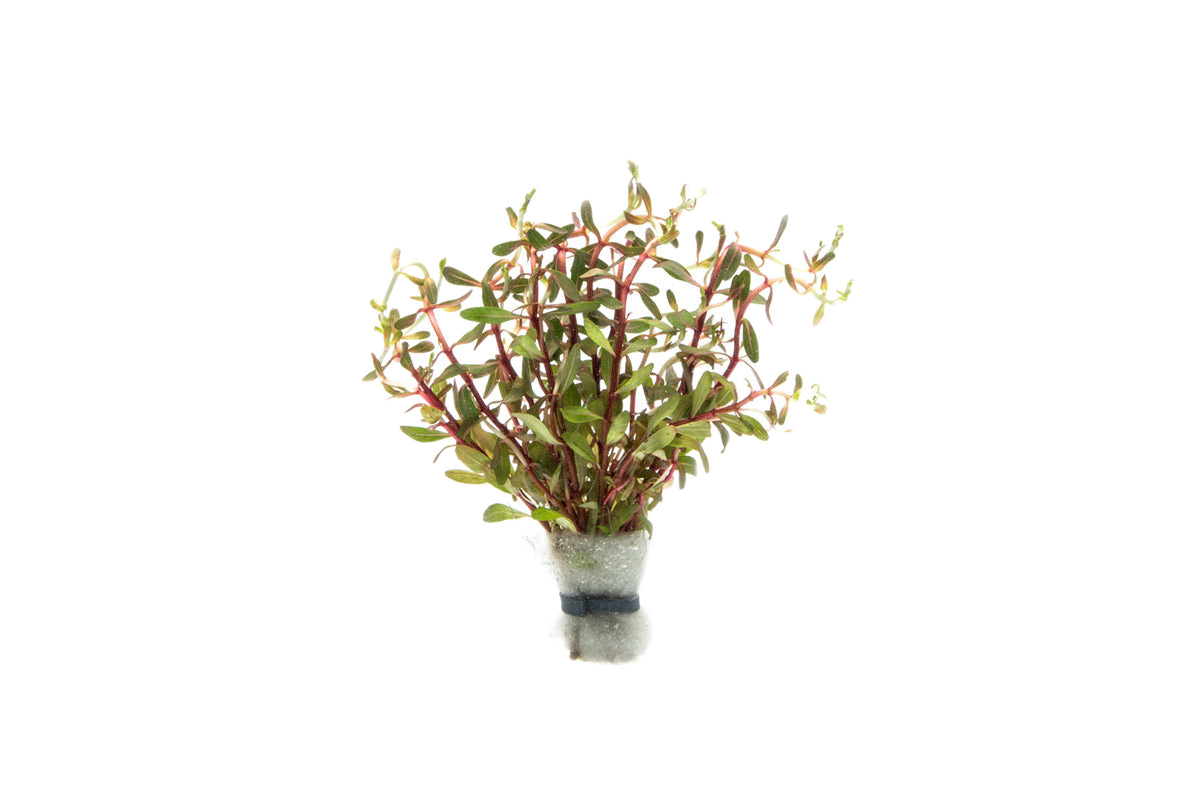
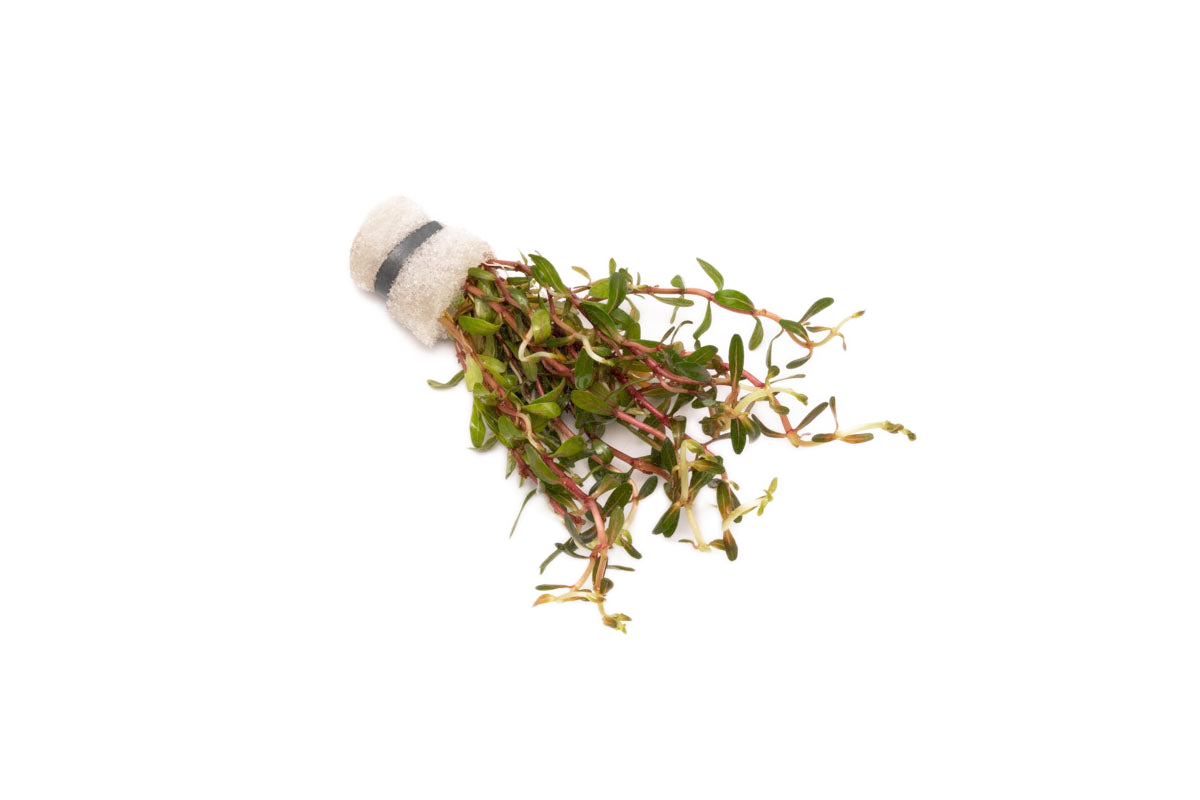
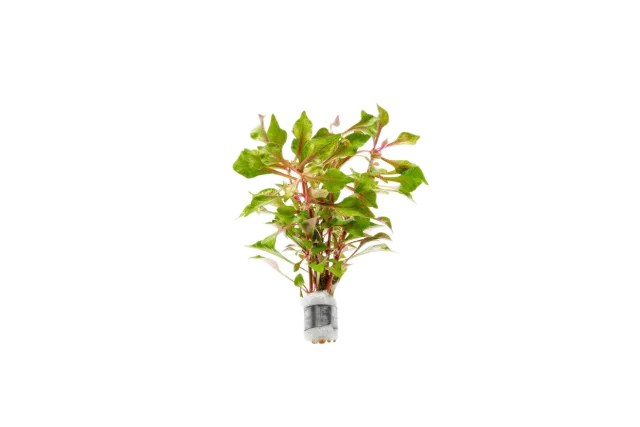
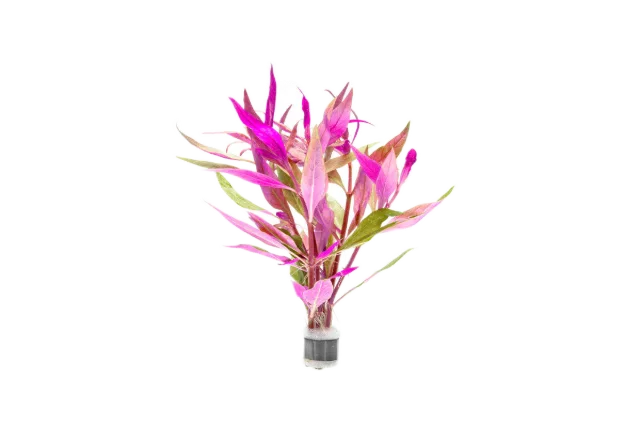
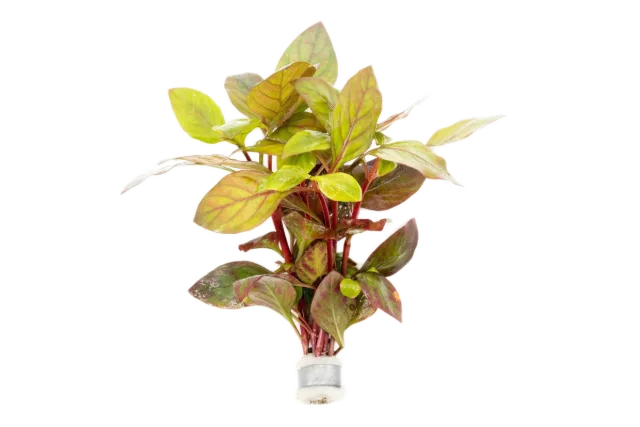
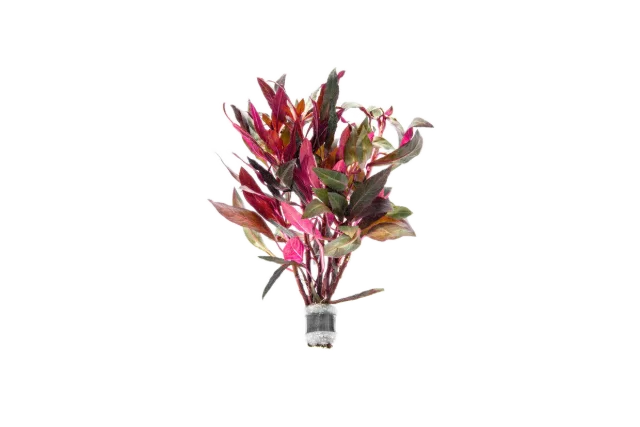
Cuphea Annagalloidea is a small but high-maintenance stem plant, the first of its genus cultivated in aquariums. Its leaves vary from light green to eye-striking reds and oranges; high lighting is needed for bright red. Best for seasoned hobbyists with stable parameters, high CO2, and high lighting.
Quick facts
Identity
- Also known as
- Rotala sp. Araguaia
- Synonyms
- Rotala sp. "Araguaia" (trade misnomer)
- Environment
- Freshwater
- Native to
- Brazil
- Habitat
- Sandy riverbanks, marshlands, and seasonally flooded soils in clear, soft, acidic, sunlit waters; grows emersed along margins and submersed during high water.
- Sourcing
- Aquacultured
- Conservation
- Not Evaluated
Care
- Care level
- Difficult
- Growth form
- Stem
- Max height
- 2 – 11.8 in (5.1 – 30 cm)
- Spread
- 0.8 in (2 cm)
- Growth rate
- Moderate
- Placement
- Foreground, Midground
Water
- Temperature
- 68 – 79 °F (20 – 26 °C)
- pH
- 4.5 – 7.0
- dKH
- 0 – 7 dKH
- PAR
- 35 – 50 PAR
- Flow
- Moderate
- Light
- High
- CO₂
- Required
Planting
- Substrate
- Nutrient-rich preferred
- Feeds from
- Both
- Fertilizer needs
- High
- Colors
- Green, Red, Orange
Feeding & breeding
- Propagation
- Cuttings
Something wrong or missing? Submit a correction
Care guide
Overview
First introduced to the hobby from Brazilian riverbank and marshland habitats, this stem plant was long traded under the misnomer Rotala sp. "Araguaia." Fine, thin stems carry leaves that shift from plain green to orange-red depending on light intensity, and are best planted in dense clusters. Suited to experienced keepers running strong light, injected CO2, and steady nutrient dosing.
Care
This is a demanding stem plant that only shows its best orange-red coloration under strong light and consistent CO2 injection; under weaker conditions it reverts to plain green and grows leggy. Stems are thin and narrow, so it is usually planted in dense groups rather than as single specimens, letting the cluster form a solid patch of color in the foreground or midground. Stable water parameters and steady nutrient dosing matter more with this species than with most easier stem plants, since it responds poorly to fluctuations.
Planting & trimming
Plant stems in the substrate in tight groups, spacing individual cuttings about 1 centimeter apart so lower leaves are not shaded out by neighbors. A nutrient-rich substrate with root tabs helps young cuttings establish before they rely mostly on water column feeding. Trim the growing tips regularly to encourage bushy lateral branching and prevent the base of the stems from thinning out and losing leaves.
Fertilizing
Feed primarily through the water column with a complete liquid fertilizer dosed weekly, since the fine root system mainly anchors the plant rather than drawing significant nutrients from the substrate. Root tabs placed near the base can still help it settle in after planting. Yellowing leaves or stunted growth usually point to insufficient nutrients or inadequate CO2 rather than disease, and correcting dosing typically resolves the issue within a couple of weeks.
Propagation
Propagation is by simple top and lateral cuttings, as with most stem plants. Snip a few centimeters from a healthy shoot tip and replant it directly into the substrate, where it roots quickly under adequate light and CO2. Repeated topping of the main stems also encourages branching, which naturally produces more cutting material over time.
Problems
Lower leaf loss shortly after planting is common as the stems adjust to submersed life, and it usually stops once light, CO2, and fertilizer are kept stable. Algae can build up on the slow-growing leaves if light is too intense relative to nutrient supply or flow is weak, so trimming affected leaves and balancing inputs helps. Sudden swings in CO2 or nutrient levels tend to cause stunted growth and leaf drop more readily than in hardier stem plants.
Sources
More Stem plants
Something wrong or missing? Submit a correction
In the community
Popular tanks using Cuphea Annagalloidea
No public tanks are showcasing Cuphea Annagalloidea yet.