
Aquatic Plant
Ammannia Sp. Sulawesi
Ammannia sp. 'Sulawesi'LythraceaeStem plants
Price: $7.99 USD
Add from My tanks →1 photos
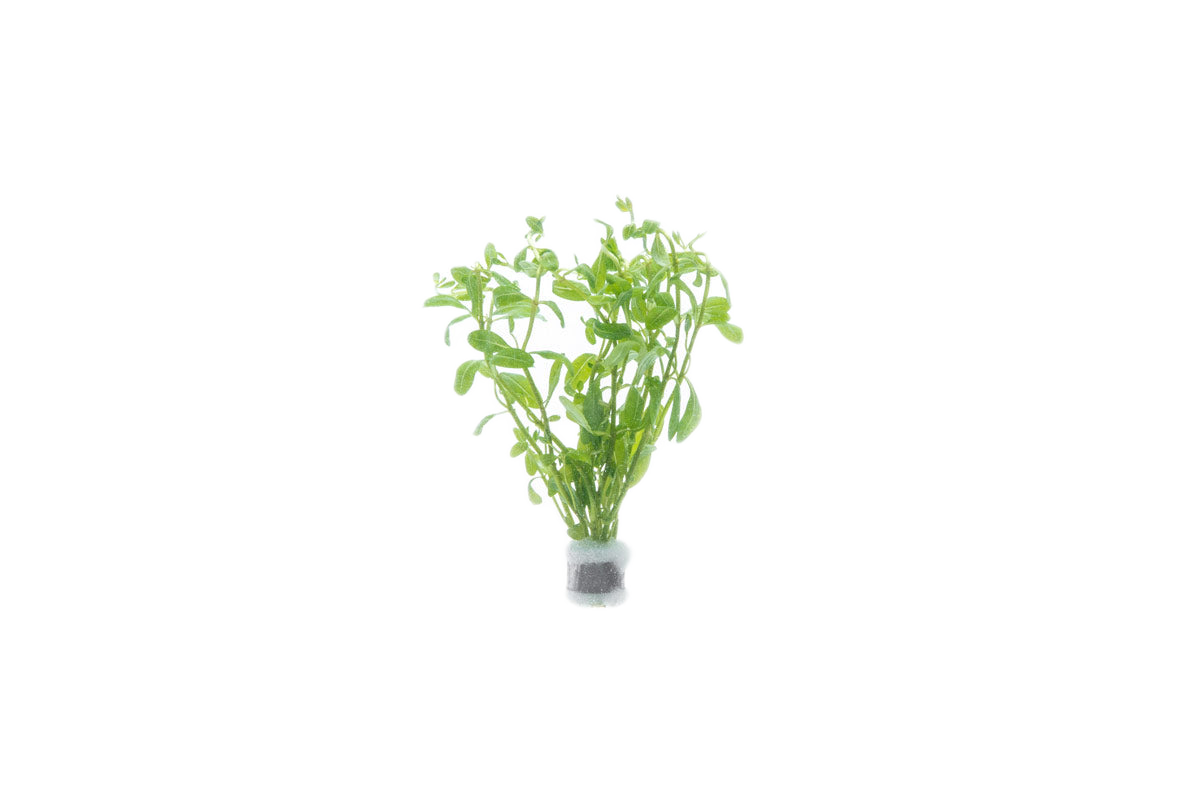
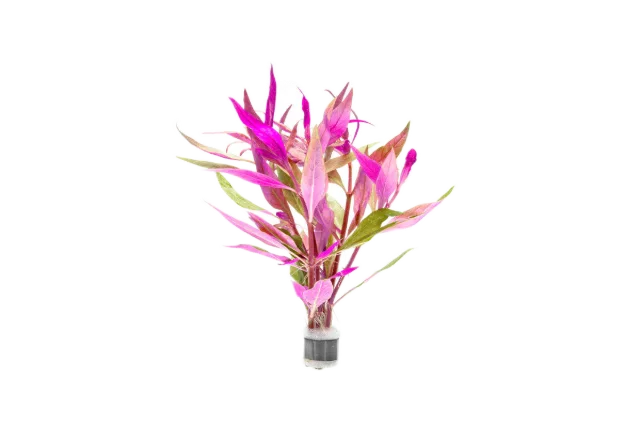
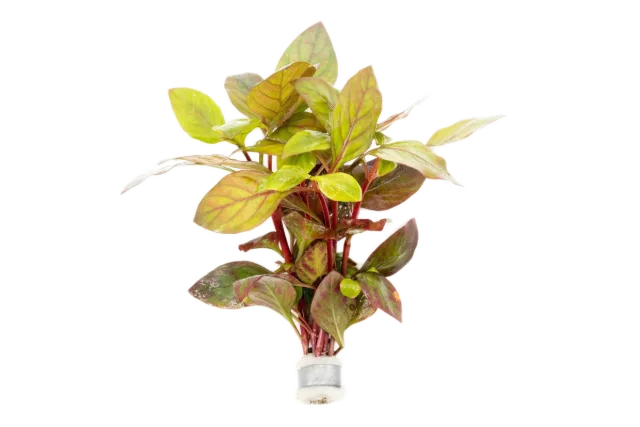
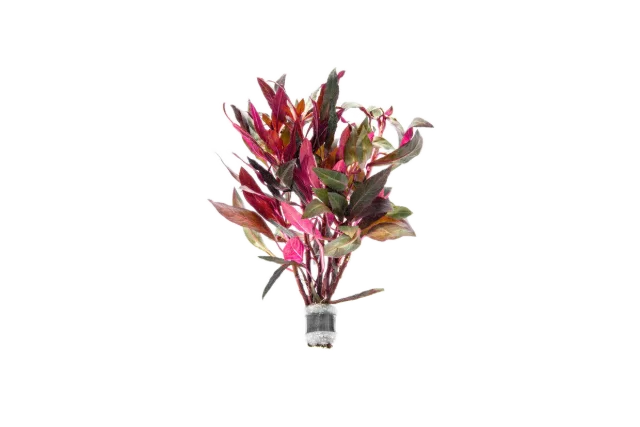
Ammannia sp. 'Sulawesi' is a rare aquatic stem plant from the soft-water habitats of Sulawesi, Indonesia, with slender leaves in sunset orange, pink, olive green, and copper hues, growing 4-12 inches. It is intermediate to advanced, needing medium to high light with CO2 and iron dosing in soft water, and propagates from cuttings.
Quick facts
Identity
- Also known as
- Ammannia Sulawesi; Nesaea Sulawesi
- Synonyms
- Nesaea sp. 'Sulawesi'
- Environment
- Freshwater
- Native to
- Indonesia (Sulawesi)
- Habitat
- Soft, tropical freshwater habitats of Sulawesi, including lake margins and slow-moving waters
- Sourcing
- Both
- Conservation
- Not Evaluated
Care
- Care level
- Difficult
- Growth form
- Stem
- Max height
- 4 – 15 in (10 – 38 cm)
- Spread
- 4 in (10 cm)
- Growth rate
- Moderate
- Placement
- Midground, Background
Water
- Temperature
- 72 – 82 °F (22 – 28 °C)
- pH
- 6.0 – 7.2
- GH
- 1 – 6 dGH
- Flow
- Moderate
- Light
- High
- CO₂
- Required
Planting
- Substrate
- Nutrient-rich preferred
- Feeds from
- Both
- Fertilizer needs
- High
- Colors
- Orange, Pink, Green, Brown
Feeding & breeding
- Propagation
- Cuttings
Something wrong or missing? Submit a correction
Care guide
Overview
Slender stems reach 4 to 12 inches, carrying narrow leaves that shift between olive green, copper, pink, and sunset orange depending on light and iron availability. It suits established, nutrient-rich planted tanks rather than new setups, demanding pressurized CO2 and consistent dosing to hold color. Best kept trimmed and replanted to avoid leggy, bare-based growth.
Care
This stem plant is better suited to established, well-balanced aquariums than to newly cycled setups, since it responds poorly to fluctuating water chemistry. Medium to high lighting paired with pressurized CO2 brings out its best coloration, and without those inputs the stems tend to stay mostly green and stretch toward the light. Regular pruning of the growing tips encourages denser, bushier growth and keeps the lower stem from going bare.
Planting & trimming
Strip the lower leaves from each stem before pushing it 1 to 2 inches into the substrate with fine-tipped tweezers, spacing stems apart so light still reaches the lower foliage. Planting in dense clusters produces a fuller hedge effect in the midground or background. Once stems reach the desired height, trim the tops and replant the cuttings to maintain a compact, bushy form over time.
Fertilizing
Growth and coloration depend heavily on a nutrient-rich substrate combined with regular liquid fertilization, particularly iron dosing, which helps push the orange and copper tones in the foliage. Root tabs placed near the base can supplement substrate nutrition in leaner soils. Pale or washed-out new growth usually signals insufficient light, CO2, or iron rather than a nitrogen or potassium issue.
Propagation
Propagation is done by cutting healthy stem tops and replanting them directly into the substrate, where they root readily under stable, nutrient-rich conditions. Side shoots that develop after trimming can also be separated and replanted to multiply the stock.
Problems
Sudden shifts in water parameters after planting can trigger leaf melt or stem rot at the base, so acclimating new stems gradually is worthwhile. Weak lighting or inconsistent CO2 often causes lower leaves to yellow and drop while the plant reaches for the surface. Because it is grown both emersed and submerged for sale, newly acquired specimens may shed their original leaves before pushing out adapted submerged growth.
Sources
More Stem plants
Something wrong or missing? Submit a correction
In the community
Popular tanks using Ammannia Sp. Sulawesi
No public tanks are showcasing Ammannia Sp. Sulawesi yet.