
Aquatic Plant
Ammania Gracilis
Ammannia gracilisLythraceaeStem plants
Price: $20.99 USD
Add from My tanks →1 photos
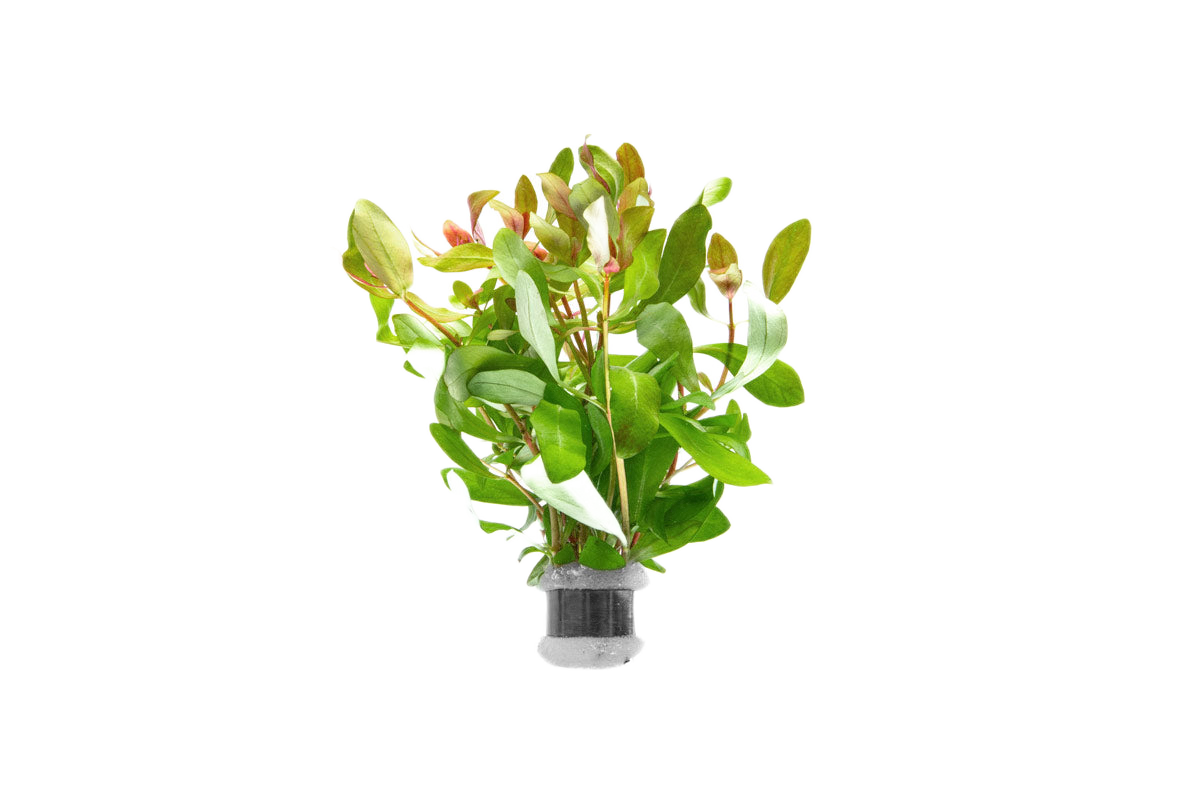
Ammannia gracilis (Large Red Ammania) is a large aquatic stem plant from the riverbanks and wetlands of West Africa, with opposing wavy-edged leaves that range from olive-green to blushing pink, salmon, and copper-red, reaching 5-8+ inches. It is medium to difficult to keep, needing high light and CO2 for best color, and propagates from cuttings.
Quick facts
Identity
- Also known as
- African Hygro; Red Ammannia; Large Red Ammania
- Synonyms
- Ammannia crassicaulis (misapplied); Nesaea crassicaulis (misapplied trade name)
- Environment
- Freshwater
- Native to
- West Africa (Senegambia region, Liberia)
- Habitat
- Swampy riverbanks and seasonal floodplains, growing emersed in full sun and submerging when water levels rise
- Sourcing
- Aquacultured
- Conservation
- Not Evaluated
Care
- Care level
- Moderate
- Growth form
- Stem
- Max height
- 4 – 20 in (10 – 51 cm)
- Spread
- 6 in (15 cm)
- Growth rate
- Fast
- Placement
- Midground, Background
Water
- Temperature
- 72 – 82 °F (22 – 28 °C)
- pH
- 6.0 – 7.5
- GH
- 4 – 12 dGH
- dKH
- 0 – 12 dKH
- Flow
- Moderate
- Light
- High
- CO₂
- Beneficial
Planting
- Substrate
- Nutrient-rich preferred
- Feeds from
- Both
- Fertilizer needs
- High
- Colors
- Green, Orange, Pink, Red, Brown
Feeding & breeding
- Propagation
- Cuttings
Something wrong or missing? Submit a correction
Care guide
Overview
Opposing, wavy-edged leaves shift from olive-green to salmon, copper, and pink along tall, upright stems that can reach 8 inches or more before trimming. Grown as a midground to background stem plant, it demands high light, a nutrient-rich substrate, and benefits from CO2 injection to hold its warmer tones. Regular pruning and replanting of cuttings keeps growth bushy rather than leggy.
Care
Ammannia gracilis is a tall, fast-growing stem plant that colors up into shades of copper, salmon, and brownish red when given strong light and a full fertilizer regimen. It is generally considered a step above beginner stems in difficulty, since dull green growth and lower leaf drop are common signs that light, nutrients, or CO2 are insufficient. Plant several stems together with a little space between them so light reaches the lower leaves, and expect to trim regularly once it reaches the surface. It tolerates a fairly wide temperature range but does best above 75°F and dislikes abrupt shifts in water chemistry.
Planting & trimming
Root the stems directly in a nutrient-rich substrate, spacing them a couple of inches apart so light can reach the lower leaves of each stem. Once stems approach the surface, trim the tops and replant them, which also encourages bushier, multi-branched growth from the cut point. It can also be grown emersed in a paludarium or open-top setup, where it produces small pink to purple flowers.
Fertilizing
This plant is a heavy feeder that draws nutrients through both roots and leaves, so a nutrient-rich substrate combined with root tabs and regular liquid fertilizing gives the best results. Iron and other micronutrients are especially important for holding the red-brown coloration; fading color usually points to insufficient iron, while excess nitrate tends to push growth back toward green. CO2 injection is not mandatory but noticeably improves density, stem strength, and color saturation.
Propagation
Propagate by cutting the top few inches off a healthy stem and replanting the cutting directly into the substrate; the parent stem will branch out from the cut. Lateral side shoots can also be removed and replanted as new, independent stems. Growth is fast enough that a single healthy stem can furnish a tank with multiple new plants within a few weeks.
Problems
New plantings often shed a few lower leaves as they adjust to submersed conditions, which is normal and not a sign of disease. Persistent yellowing, holes, or stunted new growth usually trace back to a nutrient shortfall rather than pests. Algae on the leaves is common when light is too strong relative to nutrient dosing and flow, and is best addressed by rebalancing those factors rather than treating the plant itself.
Sources
More Stem plants
Something wrong or missing? Submit a correction
In the community
Popular tanks using Ammania Gracilis
No public tanks are showcasing Ammania Gracilis yet.