
Terrarium Plant
Selaginella Pulvinata
Selaginella pulvinataSelaginellaceaeSpikemosses
Price: $39.99 USD
Add from My tanks →1 photos
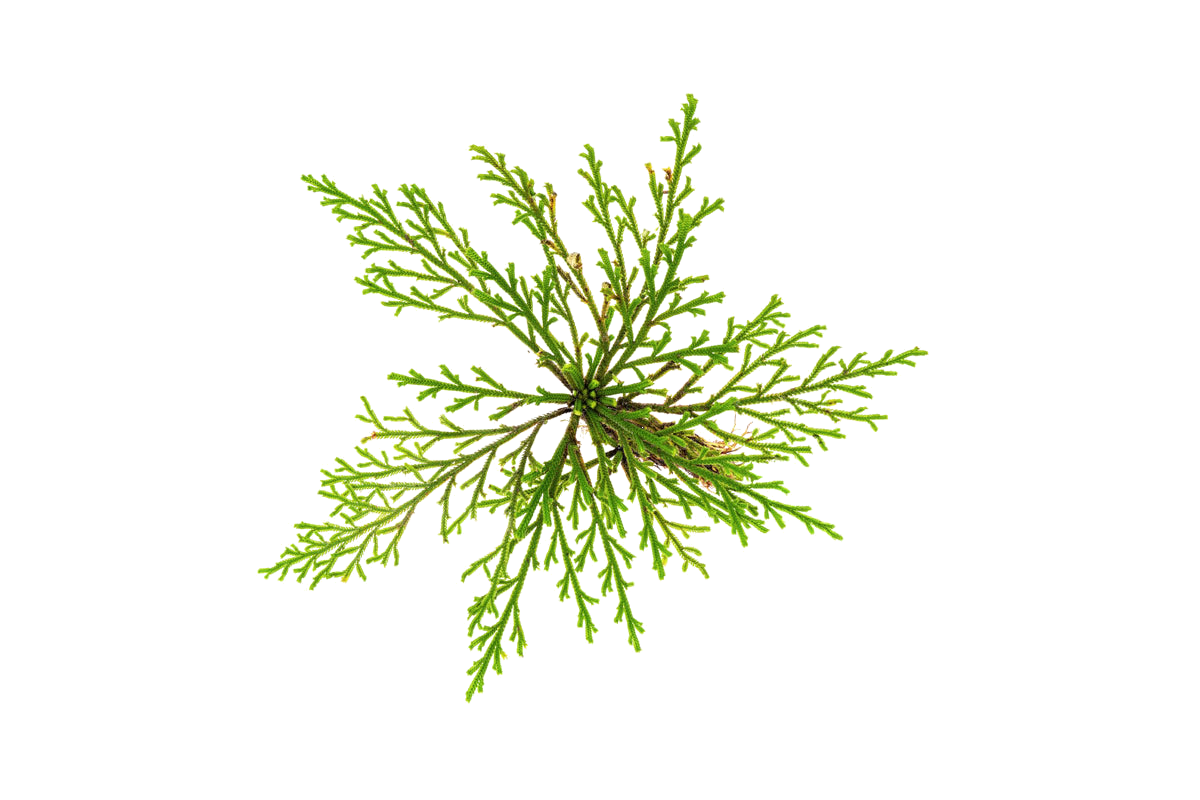
Selaginella pulvinata is an evergreen spikemoss with densely tufted stems and curling fronds that fold when dry and reopen green when moistened, forming rosette-like clusters. Native to limestone rocks, it is drought-tolerant once established, easy, and suits terrariums in partial shade with good humidity; submerging kills it.
Quick facts
Identity
- Also known as
- Resurrection plant; cushion spikemoss; club moss; spike moss
- Synonyms
- Lycopodium pulvinatum
- Environment
- Terrestrial
- Native to
- China, Africa, Brazil
- Habitat
- Exposed limestone rocks and outcrops at moderate to high elevations, where it experiences seasonal drying and rehydration
- Sourcing
- Aquacultured
- Conservation
- Not Evaluated
Care
- Care level
- Easy
- Growth form
- Rosette
- Max height
- 2 – 6 in (5.1 – 15 cm)
- Spread
- 6 in (15 cm)
- Growth rate
- Slow
- Placement
- Foreground, Midground, Epiphyte
Water
- Temperature
- 65 – 80 °F (18 – 27 °C)
- Humidity
- 60 – 85%
Planting
- Substrate
- Nutrient-rich preferred
- Feeds from
- Roots
- Fertilizer needs
- Low
- Colors
- Green, Brown
Feeding & breeding
- Propagation
- Rhizome division, Cuttings, Plantlets
Something wrong or missing? Submit a correction
Care guide
Overview
Closed and semi-closed terrariums with stable humidity suit this spikemoss best, as it forms dense low tufts of scale-like fronds that branch into rosette clusters. Fronds curl and brown when dry, then reopen green once remoistened, a resurrection trait that gives some cover for lapses in misting. Slow growing and easy, it prefers shade over direct sun and dislikes waterlogged substrate.
Care
This spikemoss grows as dense, low tufts of scale-covered stems that branch near the base into rosette-like clusters, and older specimens can develop a thickened, tree-like base as stems and roots entangle over time. It needs a partially shaded spot with low to medium indirect light and consistently high humidity, making it far better suited to a closed or semi-closed terrarium than an open pot on a windowsill. Direct sun will scorch the fine foliage quickly, while stagnant, waterlogged substrate tends to cause rot rather than healthy growth.
Planting & trimming
Remove any packing material from the roots and plant into a moisture-retentive but well-draining terrarium mix such as a peat and perlite blend or a tropical substrate with sphagnum moss worked in. It can also be tucked into crevices on rockwork or driftwood where humus collects, since in nature it roots directly onto limestone. Mist daily, keep the base evenly moist without pooling water, and trim back leggy or browning stems to encourage denser, bushier growth.
Fertilizing
Feeding needs are minimal since the plant draws most of what it needs from a humus-rich substrate and regular misting. A light dose of diluted liquid fertilizer or a pinch of slow-release fertilizer worked into the soil every month or two during active growth can help maintain color, but heavy fertilizing is unnecessary and can encourage algae or fungal growth on the moist substrate surface. Pale or washed-out fronds usually point to insufficient light rather than a nutrient deficiency.
Propagation
Propagation is most easily done by dividing established clumps at the rhizome and replanting the sections in fresh substrate, or by taking stem cuttings and keeping them consistently moist and humid until new roots form. Commercial growers also propagate it in vitro from frond tip explants for faster mass production, but this is impractical for home hobbyists. Divisions establish fastest in high humidity with indirect light and take a few weeks to root in visibly.
Problems
Yellowing fronds are typically a sign of overwatering or poor drainage rather than disease, while browning and curling indicate the plant has dried out, a defense response it can usually recover from once remoistened. Prolonged submersion or constantly soggy substrate leads to rot and will kill the plant outright, since it is not an aquatic species despite its moss-like appearance. Low humidity is the most common cause of long-term decline, showing up as crisping tips and stalled growth.
Sources
More Spikemosses
Something wrong or missing? Submit a correction
In the community
Popular tanks using Selaginella Pulvinata
No public tanks are showcasing Selaginella Pulvinata yet.