
Terrarium Plant
Selaginella Moellendorffii
Selaginella moellendorffiiSelaginellaceaeSpikemosses
Price: $9.99 USD
Add from My tanks →1 photos
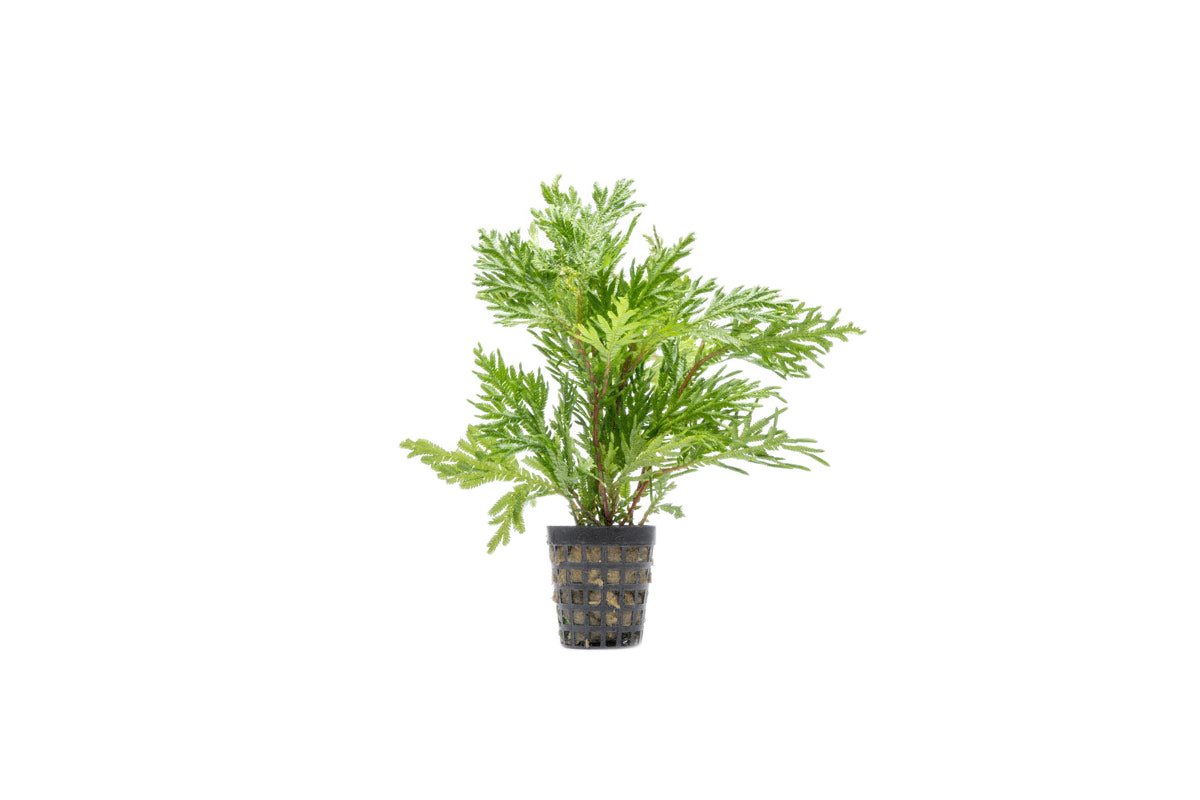
Selaginella Moellendorffii (Club Moss, Spike Moss) is a primitive plant blending fern and moss characteristics, with thick, waxy, vivid-green foliage that tolerates somewhat drier conditions than its relatives. It is an easy, low-growing terrestrial choice for vivariums and terrariums with partial shade and good humidity, and must never be submerged.
Quick facts
Identity
- Also known as
- Club Moss; Spike Moss; Trailing Moss
- Environment
- Terrestrial
- Native to
- China, Southeast Asia
- Habitat
- Damp, shaded forest floors and humid rocky outcrops in subtropical and tropical regions
- Sourcing
- Captive-bred
- Conservation
- Not Evaluated
Care
- Care level
- Easy
- Growth form
- Rhizome
- Max height
- 3 – 10 in (7.6 – 25 cm)
- Spread
- 12 in (30 cm)
- Growth rate
- Slow
- Placement
- Foreground, Carpet
Water
- Temperature
- 65 – 80 °F (18 – 27 °C)
- Humidity
- 70 – 90%
Planting
- Substrate
- Nutrient-rich preferred
- Feeds from
- Roots
- Fertilizer needs
- Low
- Colors
- Green
Feeding & breeding
- Propagation
- Rhizome division, Cuttings
Something wrong or missing? Submit a correction
Care guide
Overview
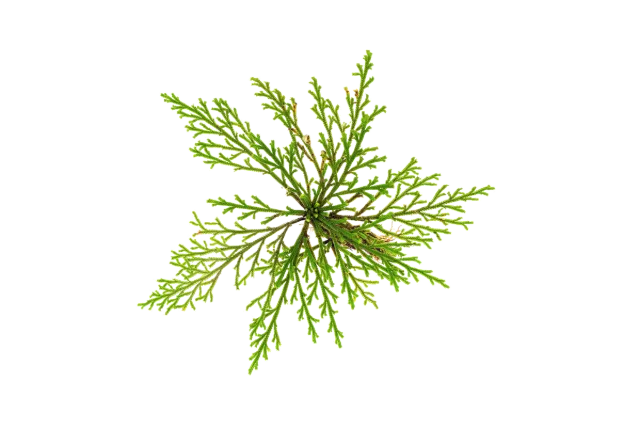
Selaginella moellendorffii is a primitive spikemoss with thick, waxy green fronds that spread low across the substrate rather than climbing. It tolerates slightly drier air than related mosses but still needs shade, steady humidity and loose, well-draining soil, making it best suited to closed terrariums and vivariums rather than open aquatic tanks.
Care
This spikemoss has thicker, waxier fronds than many of its relatives, which lets it tolerate slightly drier conditions without crisping up as fast. It still needs consistently high humidity and a loose, moisture-retentive substrate to look its best, so closed or mostly closed terrariums and vivariums suit it better than open tanks. Keep it out of direct sun and away from cold drafts, since both stress the foliage quickly. It spreads slowly along the substrate surface rather than climbing, filling in low gaps between rocks and driftwood over time.
Planting & trimming
Remove any packing material from around the roots and plant into a loose, well-draining terrestrial substrate such as a peat, leaf mold, and perlite blend. Position it in a partially shaded, humid area of the terrarium or vivarium, never submerged, since prolonged contact with standing water will kill it. Light trimming can be done to control spread and remove any dead or browning fronds, and cuttings can be pressed back into moist substrate to fill in bare patches.
Fertilizing
Selaginella moellendorffii draws nutrients through its fine root system rather than its foliage, so occasional light doses of a diluted liquid fertilizer worked into the substrate are more useful than foliar feeding. A nutrient-poor mix benefits from an organic-rich topdressing or a pinch of root tab material mixed in at planting. Yellowing or bleached fronds usually point to a lack of nutrients or too much direct light rather than a specific mineral deficiency.
Propagation
Selaginella moellendorffii propagates easily by dividing established clumps at the rhizome and replanting the sections into fresh moist substrate. Stem or tip cuttings can also be taken and laid on or lightly pressed into humid soil, where they will root given consistent moisture and warmth. New growth is usually visible within a few weeks under stable humid conditions.
Problems
Yellowing leaves are typically a sign of overwatering or waterlogged substrate rather than disease, so easing back on watering frequency usually resolves it. Browning or crisping fronds point to humidity that has dropped too low or exposure to direct sun. Root rot can set in quickly if the growing medium stays saturated without adequate drainage, so a well-aerated mix is important.
Sources
More Spikemosses
Something wrong or missing? Submit a correction
In the community
Popular tanks using Selaginella Moellendorffii
No public tanks are showcasing Selaginella Moellendorffii yet.