
Coral
ORA Scroll Coral
Amphiprion ocellarisPomacentridaeClownfish
Add from My tanks →1 photos
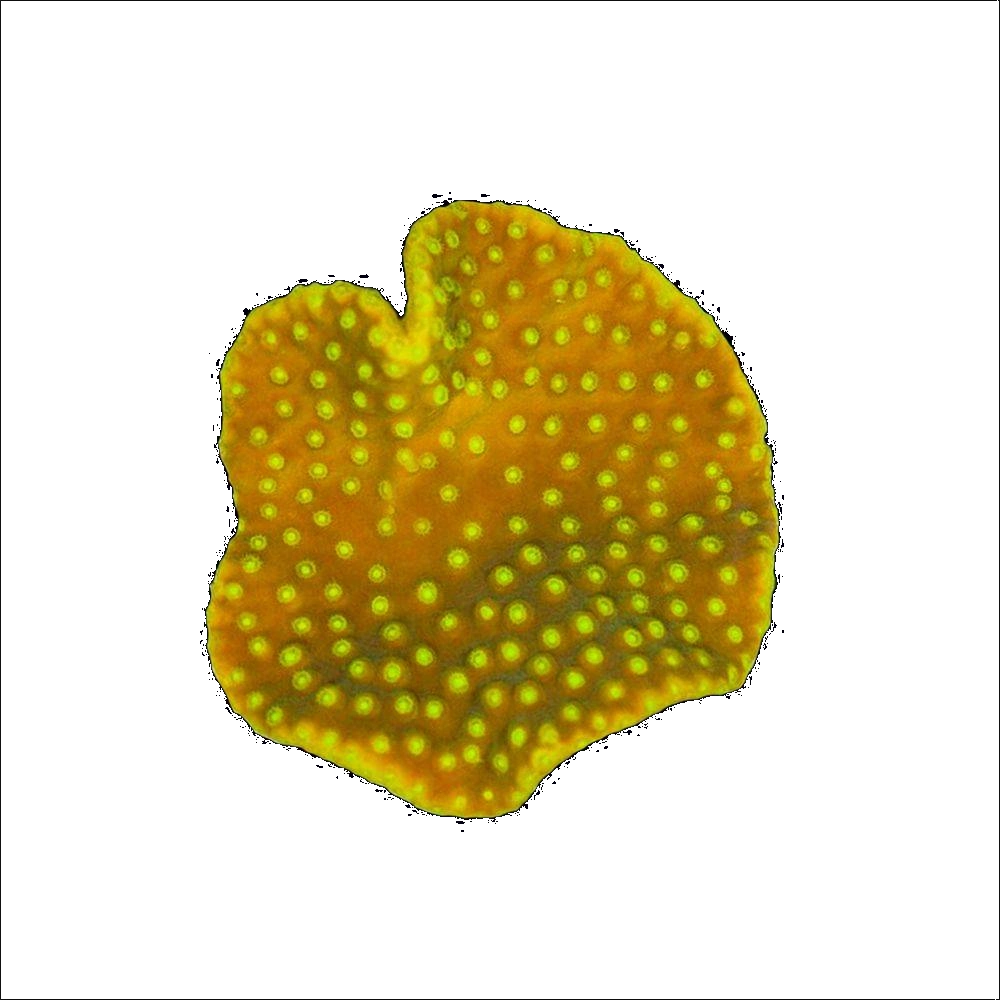
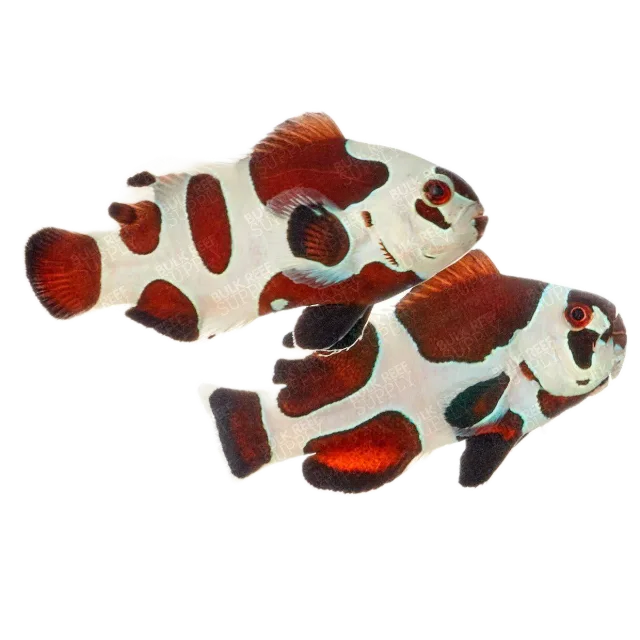
A captive-bred melanistic variant of the Ocellaris clownfish (Amphiprion ocellaris); juveniles start with orange that darkens to near-black as they mature; hardy, reef-safe, and suitable for beginners.
Quick facts
Identity
- Also known as
- Black Ocellaris; Misbar Clownfish; False Percula Clownfish
- Environment
- Saltwater
- Native to
- Captive-bred variety
- Habitat
- Wild ocellaris inhabit shallow lagoon and reef habitats among host anemones in the Indo-Pacific; this melanistic captive-bred strain has no wild population and is raised entirely in aquaculture facilities.
- Sourcing
- Captive-bred
- Conservation
- Not Evaluated
Care
- Care level
- Easy
- Temperament
- Peaceful
- Adult size
- 1.3 – 3 in (3.2 – 7.6 cm)
- Growth rate
- Moderate
- Placement
- Middle
Water
- Temperature
- 74 – 78 °F (23 – 26 °C)
- pH
- 8.1 – 8.4
- dKH
- 8 – 12 dKH
- Salinity
- 1.023 – 1.025 SG
- Flow
- Low-Moderate
- Light
- Medium
Reef care
- Colors
- Orange, Brown, Cream
Feeding & breeding
- Diet
- Omnivore
- Foods
- Pellets, Flakes, Frozen, Vegetables
Something wrong or missing? Submit a correction
Care guide
Overview
Produced entirely through aquaculture, this melanistic Ocellaris strain has no counterpart on the reef. Juveniles emerge orange and darken toward brown or near-black with age, always keeping the species' white bars. Hardy and quick to settle in, it suits a 20-gallon reef kept singly or as a bonded pair.
Care
This melanistic strain of the ocellaris clownfish is bred for its darkening body color, which starts orange as a juvenile and progresses toward brown or near-black with age, while retaining the white bars typical of the species. It is a hardy, adaptable fish that tolerates the usual range of stable reef parameters and does well in tanks as modest as 20 gallons for a single fish or pair. Because it is captive-raised, it settles into aquarium life quickly, typically accepting prepared foods within days of introduction. Territorial behavior around a chosen rock, coral head, or host anemone is normal and should be expected once the fish settles in.
Feeding
Feed a varied omnivorous diet of high-quality marine pellets or flakes as a staple, supplemented several times a week with frozen mysis shrimp, brine shrimp, and chopped marine meats. Occasional offerings of nori or other marine vegetable matter help round out nutrition. Small, frequent feedings two to three times daily are preferable to one large feeding, especially for juveniles.
Neighbors
Best kept singly or as a bonded pair, since two unrelated adults introduced together may fight, sometimes fatally, until a hierarchy is established. It mixes well with other peaceful reef fish, gobies, and dottybacks, and is considered reef safe with corals and most invertebrates. Avoid housing with larger, aggressive damsels or predatory fish that may harass or outcompete it for food.
Fragging
Pairs form naturally from a small group, with the dominant fish transitioning to female, and spawning readily occurs in home aquariums once a bonded pair is established. Eggs are laid on a cleaned flat surface, often near an anemone or rock, and are guarded closely by both parents until hatching six to eleven days later depending on temperature. Because melanistic coloration is influenced by both genetics and environment, offspring from these pairings do not always retain the same degree of black pigmentation as the parents.
Pests & problems
Captive-bred stock is generally disease-resistant and less prone to the parasite issues seen in wild-caught clownfish, but shipping stress and poor acclimation can still trigger marine ich or brooklynella. Stable water quality and gradual acclimation reduce the risk of stress-related illness. Watch for fading or blotchy color change, which in this strain is normal, but should be distinguished from true skin lesions or fungal patches.
Sources
Varieties in the catalog
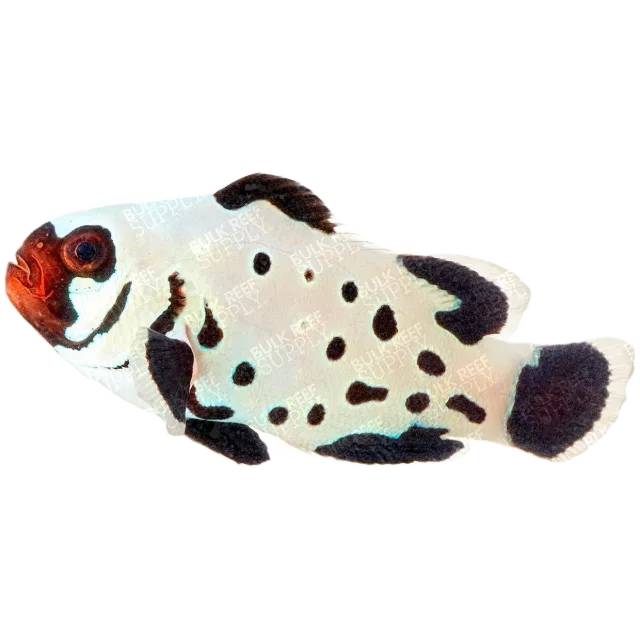 ORA Black Frostbite Ocellaris Clownfish
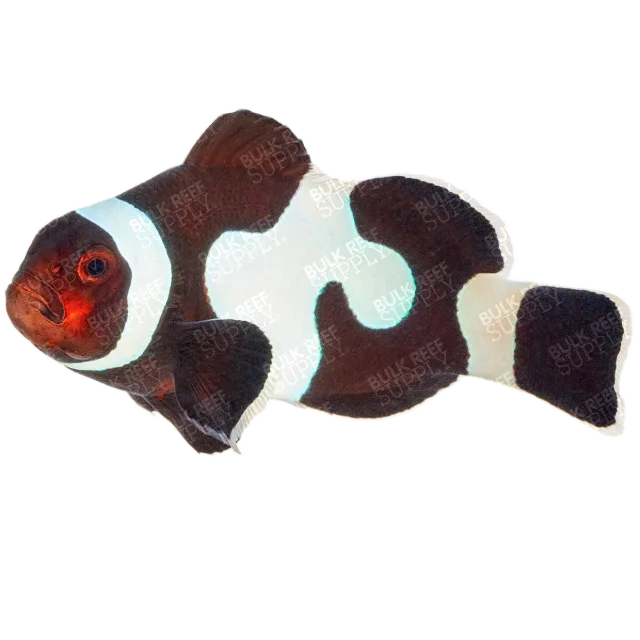 ORA Black Gladiator Ocellaris Clownfish
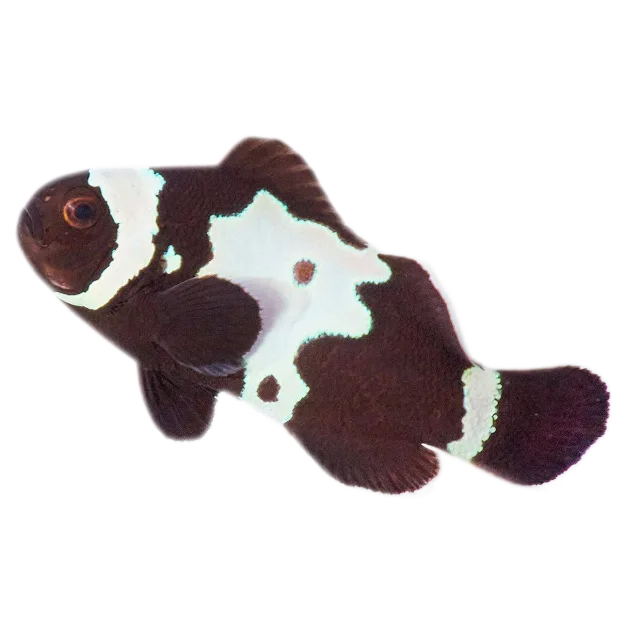 ORA Black Snowflake Ocellaris Clownfish
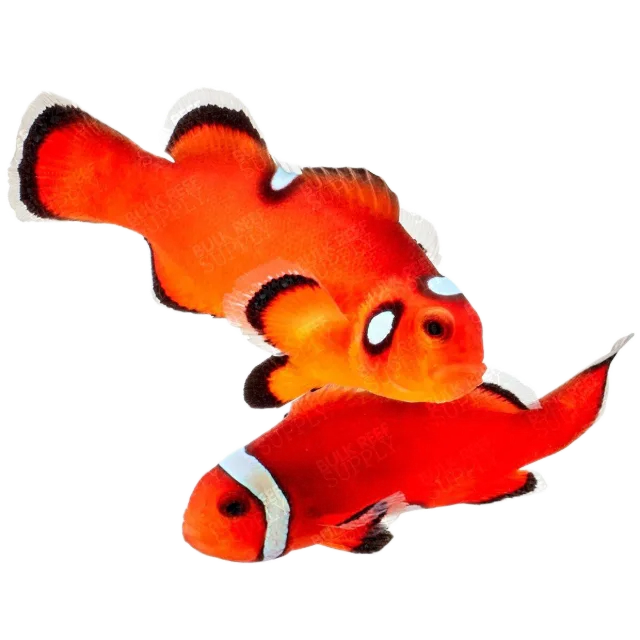 ORA Extreme Misbar Ocellaris Clownfish
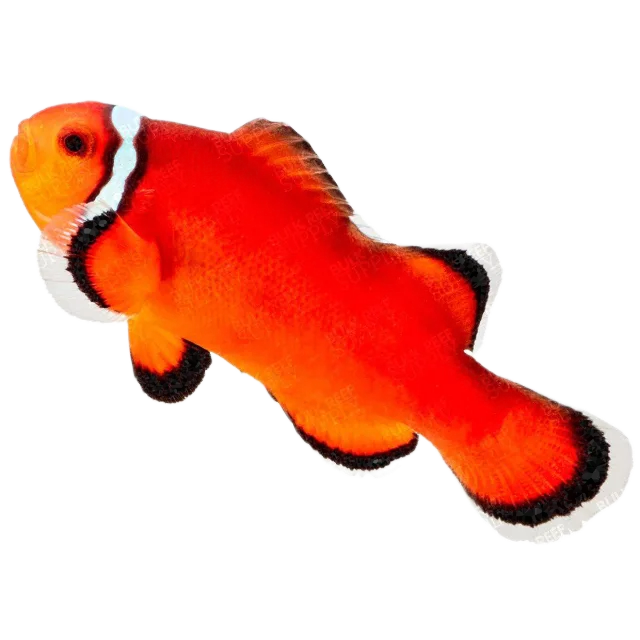 ORA Extreme Misbar Ocellaris Clownfish
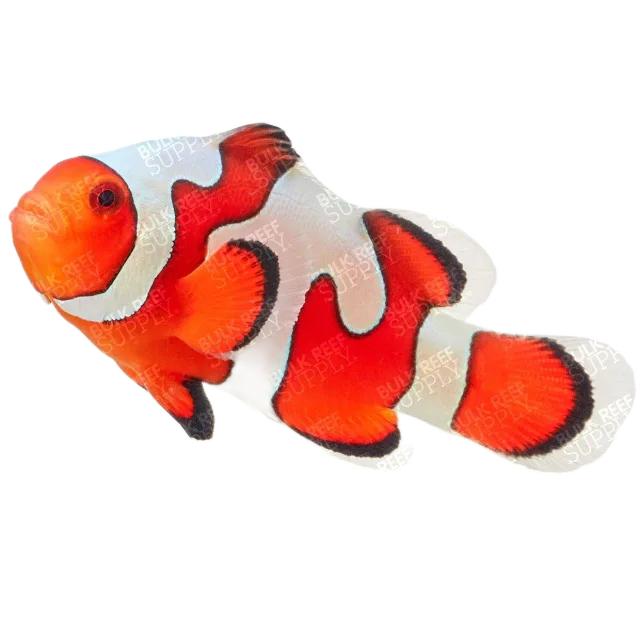 ORA Gladiator Ocellaris Clownfish
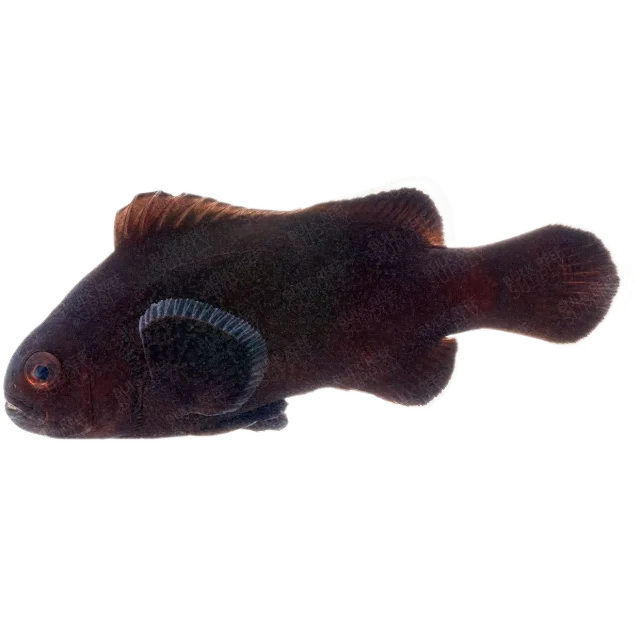 ORA Midnight Ocellaris Clownfish
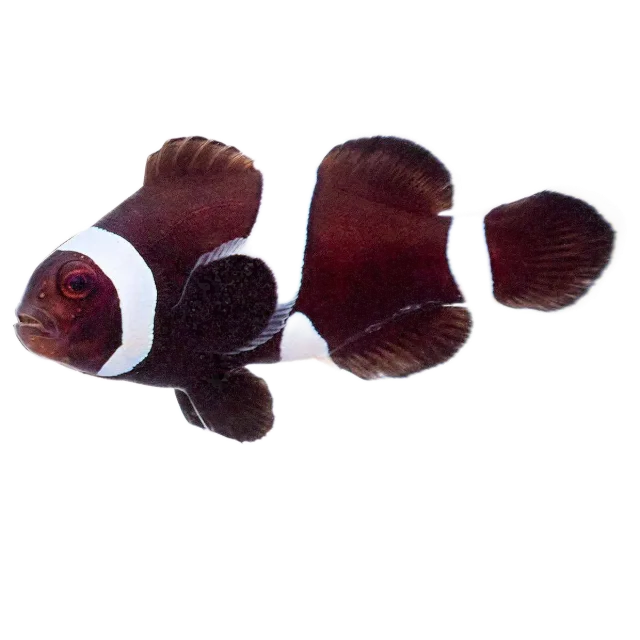 ORA Misbar Black Ocellaris Clownfish
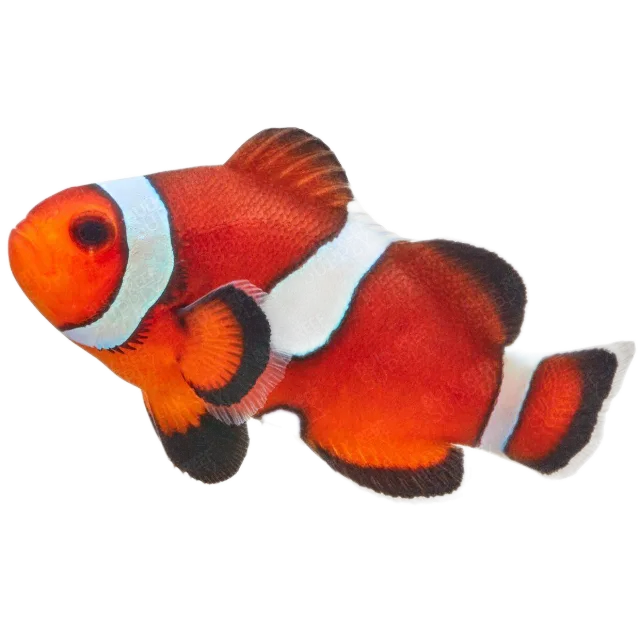 ORA Misbar Caramel Ocellaris Clownfish
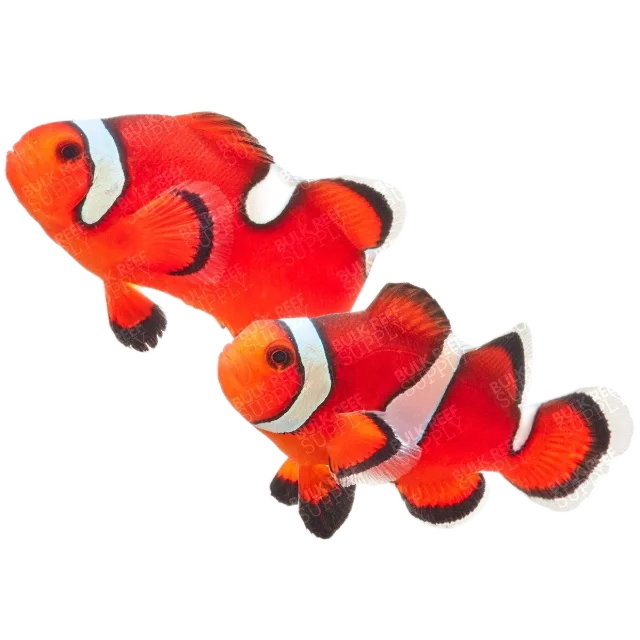 ORA Misbar Orange Ocellaris Clownfish
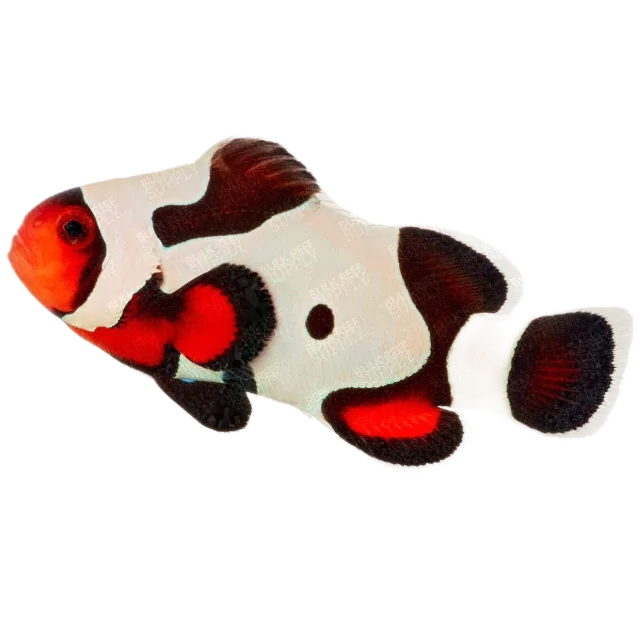 ORA Mocha Gladiator Ocellaris Clownfish
 ORA Mocha Storm Ocellaris Clownfish
Something wrong or missing? Submit a correction
In the community
Popular tanks using ORA Scroll Coral
No public tanks are showcasing ORA Scroll Coral yet.