
Marine Fish
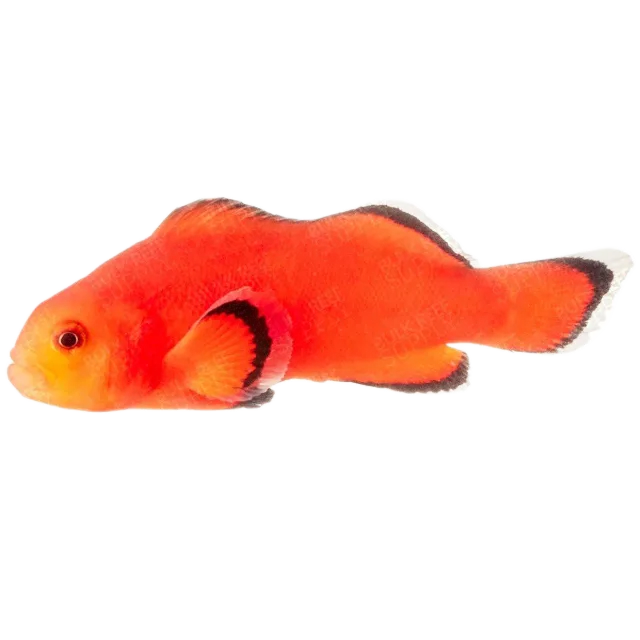
ORA Extreme Misbar Ocellaris Clownfish
Amphiprion ocellarisPomacentridaeClownfish
Add from My tanks →1 photos
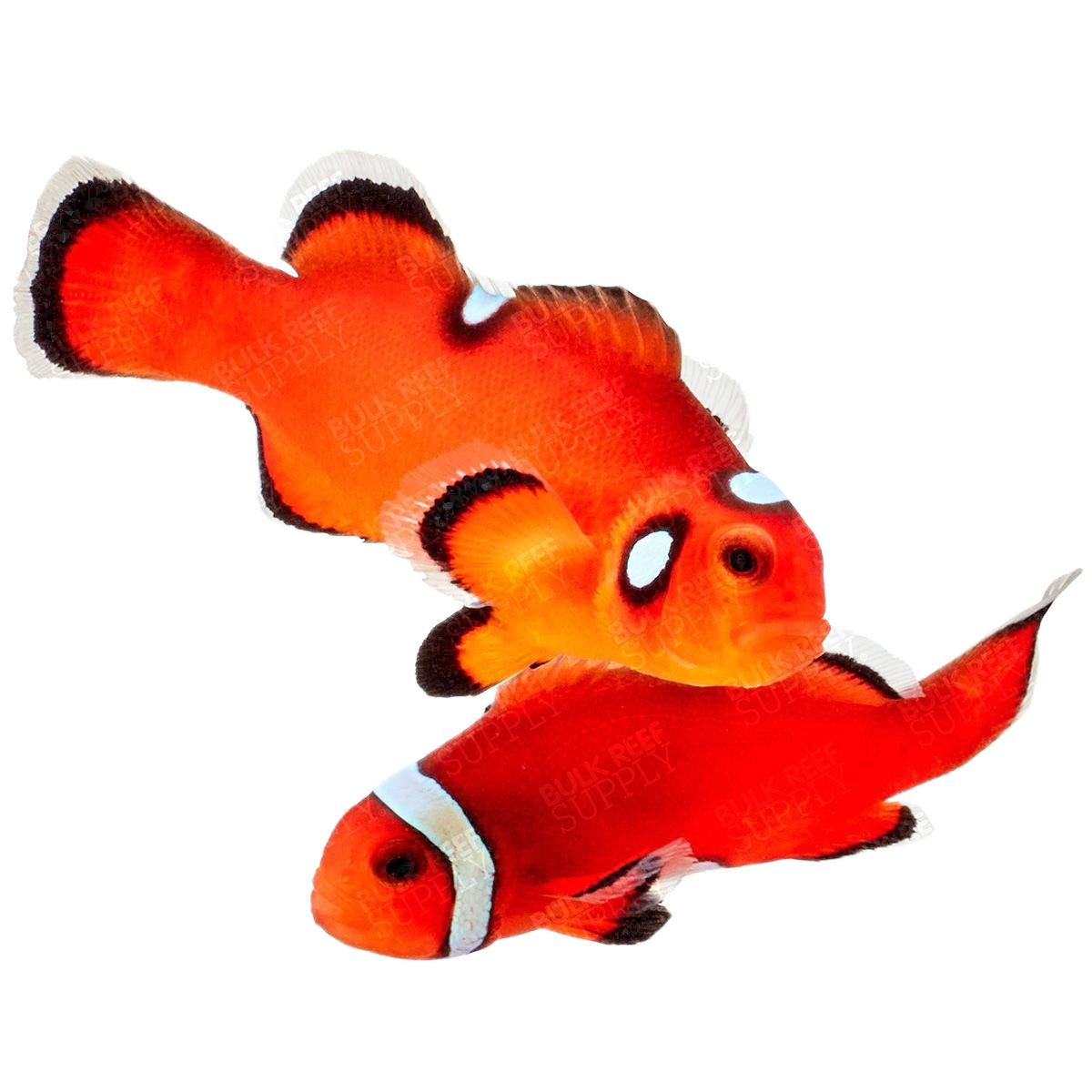
The ORA Extreme Misbar Ocellaris Clownfish (Amphiprion ocellaris) is a designer morph prized for its irregular, broken white stripes on a bright orange body, often with only a partial head bar, a tail dot, or a single disconnected band, each fish unique. Sold as an observed pair, it is hardy, peaceful, reef-safe, and easy to care for, needing tanks of 15 gallons or larger.
Quick facts
Identity
- Also known as
- Extreme Misbar Clownfish; ORA Misbar Clownfish; Broken Bar Ocellaris
- Synonyms
- Amphiprion bicinctus var. ocellaris
- Environment
- Saltwater
- Native to
- Captive-bred variety
- Habitat
- In the wild, Amphiprion ocellaris inhabits shallow lagoon and reef environments among host anemones; this captive-bred designer morph is raised entirely in aquaculture facilities and has no natural range.
- Sourcing
- Captive-bred
- Conservation
- Least Concern
Care
- Care level
- Easy
- Temperament
- Peaceful
- Adult size
- 1.5 – 3.5 in (3.8 – 8.9 cm)
- Lifespan
- 6 – 10 yrs
- Min tank
- 20 gal (76 L)
- Growth rate
- Moderate
- Placement
- Middle
Water
- Temperature
- 74 – 78 °F (23 – 26 °C)
- pH
- 8.1 – 8.4
- dKH
- 8 – 12 dKH
- Salinity
- 1.020 – 1.025 SG
- Flow
- Low-Moderate
Behavior & compatibility
- Social
- Pair · groups of 2+
- Aggression to own kind
- Moderate
- Active
- Daytime
- Reef safe
- Yes
- Plant safe
- Yes
- Shrimp safe
- With caution
Feeding & breeding
- Diet
- Omnivore
- Foods
- Pellets, Flakes, Frozen, Freeze-dried, Vegetables, Zooplankton
- Breeding type
- Substrate spawner
- Breeding difficulty
- Moderate
- Sexing
- All juveniles are functionally male; the fish is a sequential hermaphrodite and the largest, most dominant individual in a pair or group becomes female, developing a noticeably deeper body and larger size than its mate.
Something wrong or missing? Submit a correction
Care guide
Overview
Suited to reef keepers who want an aquacultured pair with irregular patterning rather than the standard three-bar look, this ORA line shows broken white bars, a partial head stripe, or a lone tail dot on an orange body, no two fish alike. Each pair settles into a chosen rock patch or anemone and stays put, tolerating new-tank fluctuations better than most marine fish. Reef-safe, peaceful, and undemanding at the feeder.
Care
This misbar morph carries the same hardiness and adaptability as standard captive-bred ocellaris clownfish, tolerating the usual swings of a newly established marine system better than most reef fish. It settles into a defined territory, often a patch of rockwork or an anemone if one is present, and rarely strays far once comfortable. No host anemone is required for long-term health, and many keepers successfully house these fish with only rock or coral substitutes to occupy.
Feeding
Feeding is straightforward since these clownfish accept almost anything offered, from flake and pellet foods to frozen mysis and brine shrimp. Offering small meals two to three times a day keeps color and body condition consistent, and occasional vegetable matter helps round out the omnivorous diet. New arrivals typically begin eating within the first day or two after acclimation.
Tank mates
Pairs or small established groups do well with other peaceful reef fish, gobies, and dottybacks that do not compete directly for territory. Introducing multiple clownfish together as juveniles reduces aggression compared to adding adults later, since a hierarchy forms early. Avoid housing with large or aggressive predatory species that may view a small clownfish as a meal or a persistent bully.
Breeding
Breeding follows the pattern typical of ocellaris clownfish: the female deposits adhesive eggs on a cleaned flat surface, usually near the anemone or rock den, and the male fans and guards the clutch until hatching. Eggs generally hatch six to eleven days after spawning depending on temperature, with pelagic larvae requiring rotifers and then baby brine shrimp once free-swimming. A stable, well-fed, mated pair will often spawn repeatedly once conditions are right, making this one of the more approachable marine fish to breed at home.
Health
Despite their hardiness, captive-bred clownfish can still develop marine ich or brooklynellosis if stressed by poor acclimation or fluctuating water quality. Quarantine of new arrivals is recommended even for tank-raised stock, since shipping stress can suppress immunity temporarily. Stable salinity and temperature go further toward preventing disease in this species than any medication regimen.
Sources
Varieties in the catalog
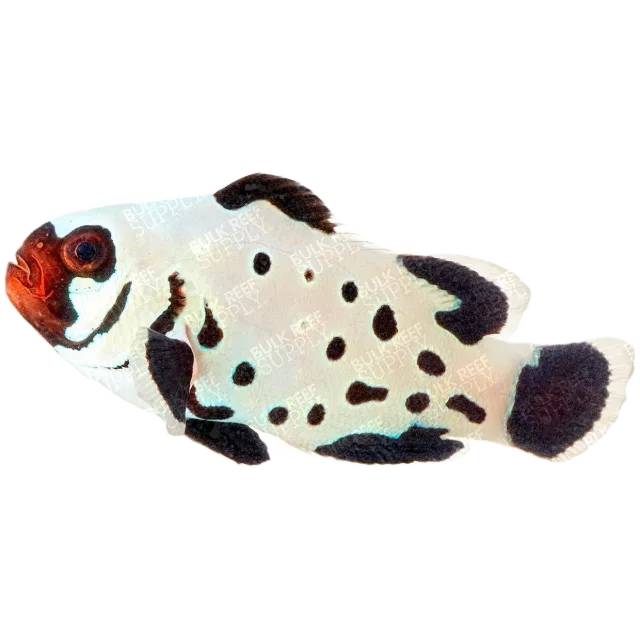 ORA Black Frostbite Ocellaris Clownfish
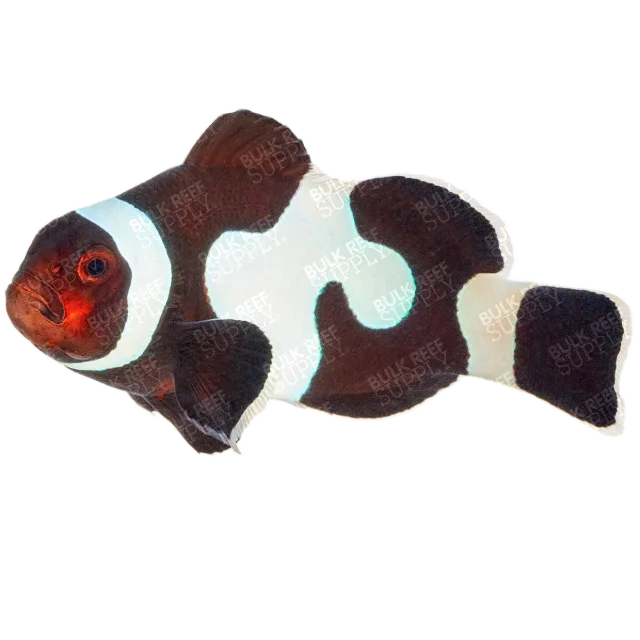 ORA Black Gladiator Ocellaris Clownfish
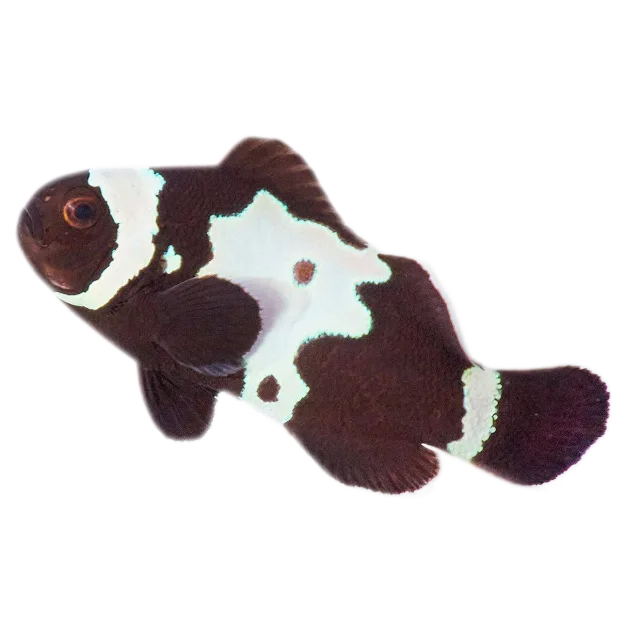 ORA Black Snowflake Ocellaris Clownfish
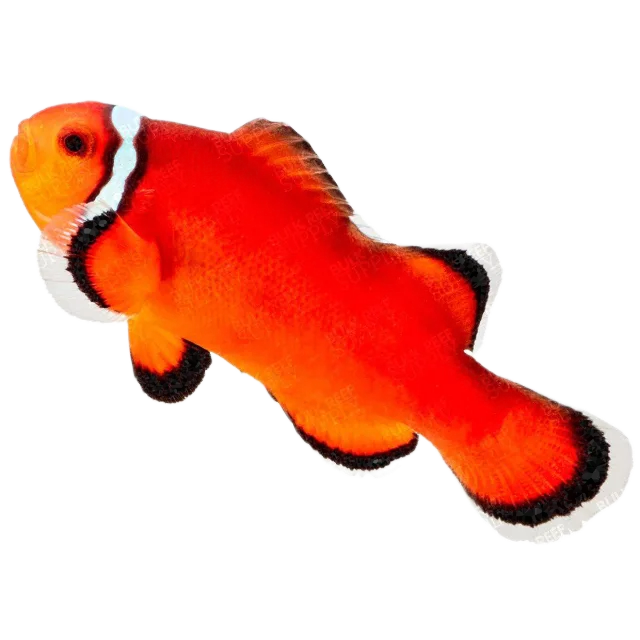 ORA Extreme Misbar Ocellaris Clownfish
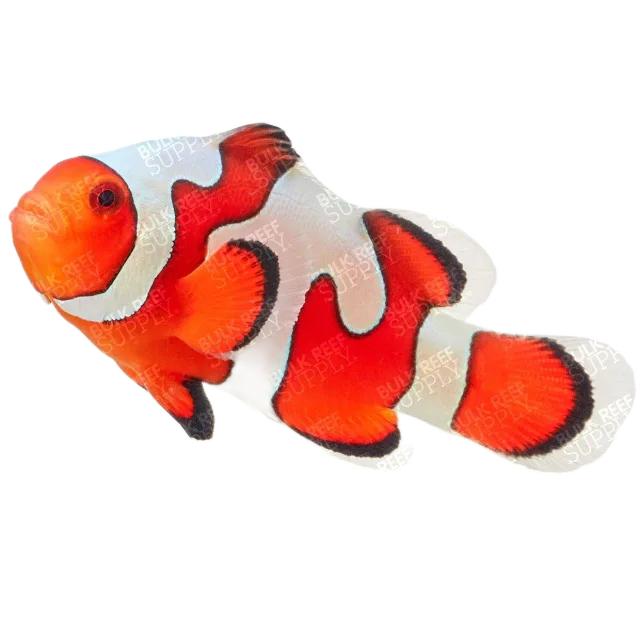 ORA Gladiator Ocellaris Clownfish
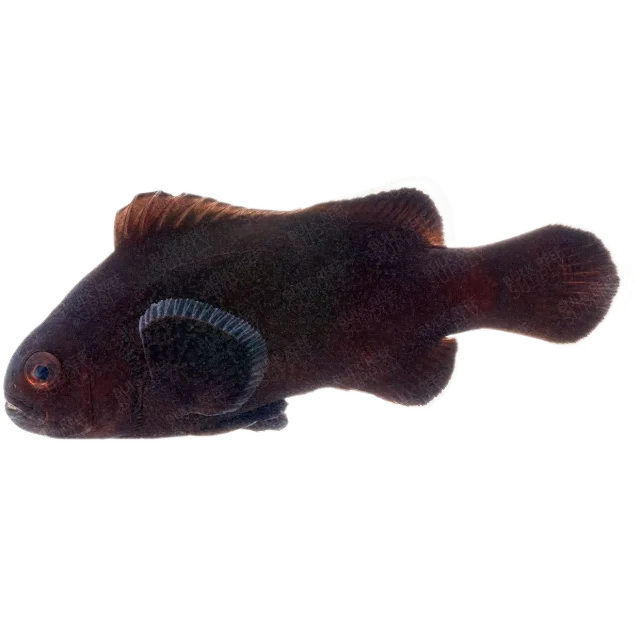 ORA Midnight Ocellaris Clownfish
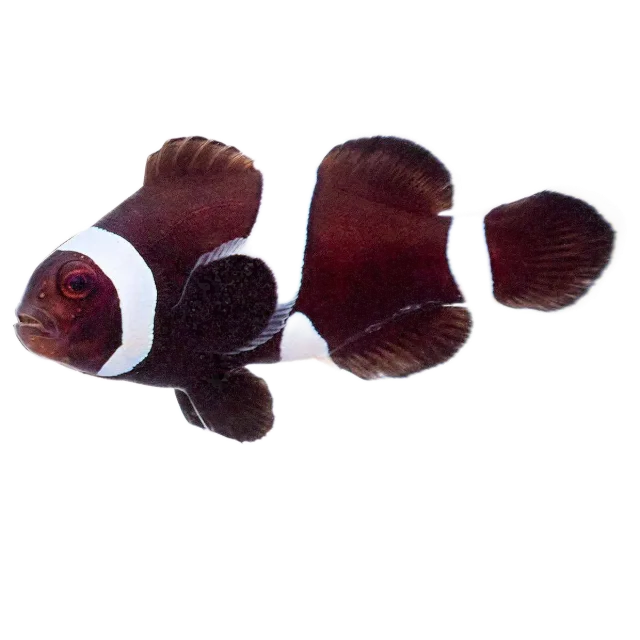 ORA Misbar Black Ocellaris Clownfish
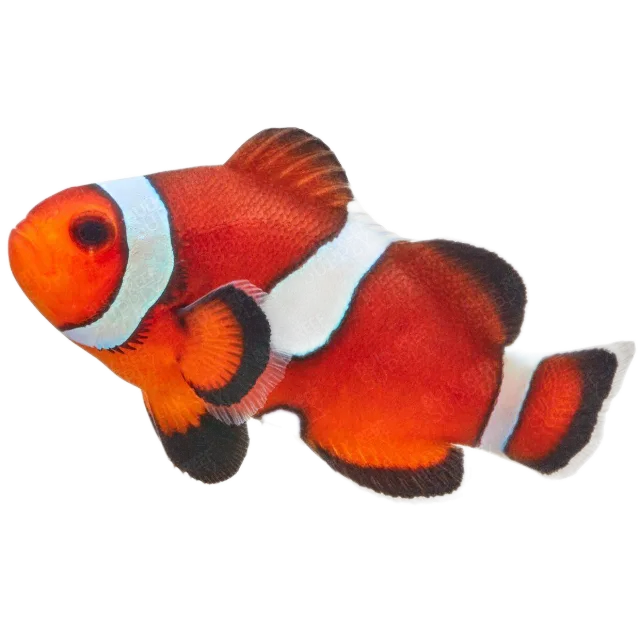 ORA Misbar Caramel Ocellaris Clownfish
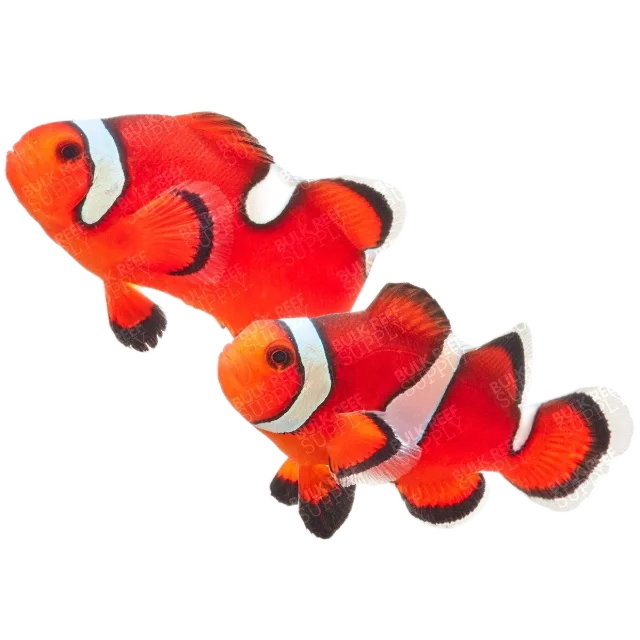 ORA Misbar Orange Ocellaris Clownfish
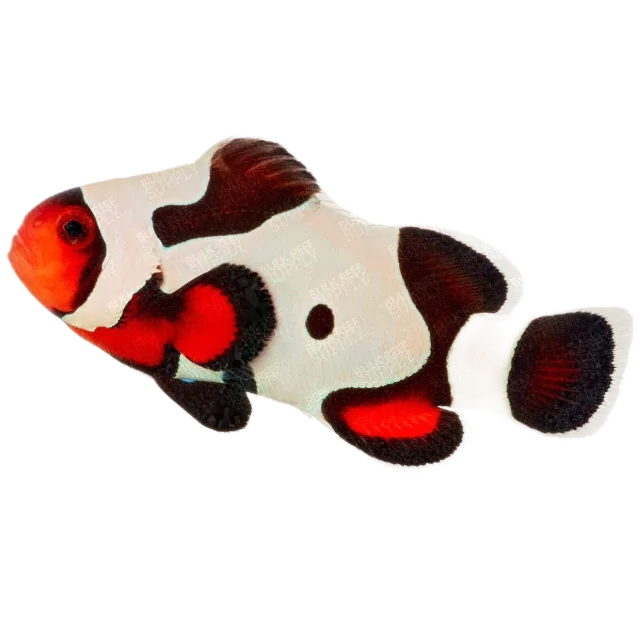 ORA Mocha Gladiator Ocellaris Clownfish
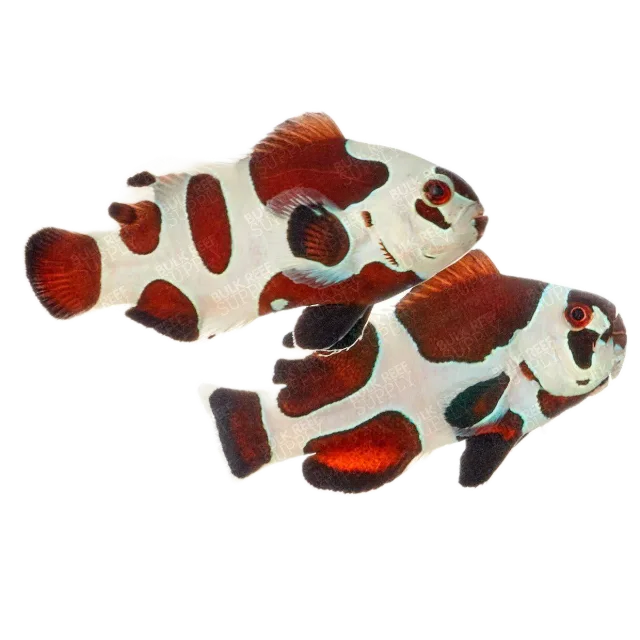 ORA Mocha Storm Ocellaris Clownfish
 ORA Naked Ocellaris Clownfish
Something wrong or missing? Submit a correction
In the community
Popular tanks using ORA Extreme Misbar Ocellaris Clownfish
No public tanks are showcasing ORA Extreme Misbar Ocellaris Clownfish yet.