
Coral
ORA Green Hydnophora Coral
Hydnophora rigidaMerulinidaeHydnophora corals
Add from My tanks →1 photos
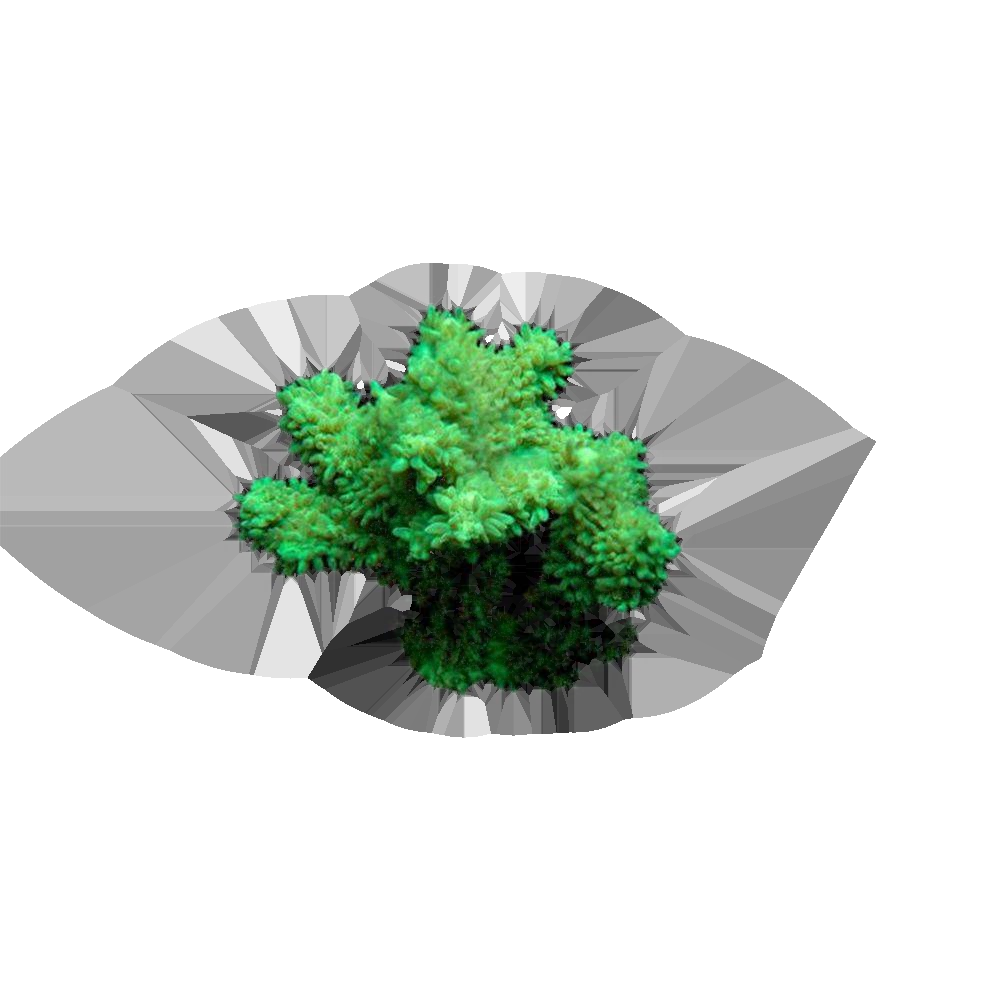
The ORA Green Hydnophora is a bright neon green coral with a puffy, inflated structure that can retract into its green skeleton. It forms dense branches with minimal encrusting and should be placed away from other corals due to its aggressive stinging behavior; it is widely considered an SPS coral but acts like an LPS coral in many ways.
Quick facts
Handling caution: Extends sweeper tentacles that sting and can damage skin or other corals
Identity
- Also known as
- Green Velvet Horn Coral; Green Thorny Coral; Neon Green Horn Coral
- Synonyms
- Hydnophora rigida (Dana, 1846)
- Environment
- Saltwater
- Native to
- Indo-West Pacific: Madagascar, Indonesia, Philippines, Fiji, Solomon Islands, Samoa, New Caledonia, Great Barrier Reef
- Habitat
- Wide range of reef environments at depths of roughly 3 to 100 feet (1-30 m)
- Sourcing
- Both
- Conservation
- Least Concern
Care
- Care level
- Moderate
- Coral type
- LPS
- Temperament
- Aggressive
- Growth form
- Branching
- Adult size
- 1 – 12 in (2.5 – 30 cm)
- Spread
- 12 in (30 cm)
- Growth rate
- Fast
- Placement
- Middle, High
Water
- Temperature
- 74 – 82 °F (23 – 28 °C)
- pH
- 8.0 – 8.4
- dKH
- 8 – 12 dKH
- Salinity
- 1.023 – 1.026 SG
- PAR
- 150 – 300 PAR
- Flow
- Moderate-High
- Light
- High
Reef care
- Nutrient preference
- Medium
- Alk/Ca uptake
- Medium
- Target feeding
- Beneficial
- Give it room
- 8 in (20 cm)
- Colors
- Green, Cream
Feeding & breeding
- Diet
- Photosynthetic
- Foods
- Coral food, Zooplankton, Phytoplankton
- Propagation
- Fragging
Something wrong or missing? Submit a correction
Care guide
Overview
ORA Green Hydnophora is an aquacultured color strain of Hydnophora rigida, prized for saturated neon green polyps that puff up over a knobby cream-colored skeleton and retract when disturbed. Classed as LPS despite its branching, SPS-like growth habit, it needs strong light and flow plus wide clearance from tankmates due to nightly sweeper tentacles. Aggressive but reef safe with caution, it suits intermediate keepers with stable alkalinity and calcium.
Care
Hydnophora rigida is a fast-growing branching stony coral that does well under moderate to strong lighting and randomized, moderate to strong flow that keeps detritus from settling between the knobby branches. It tolerates a range of conditions better than many SPS corals but still needs stable alkalinity, calcium, and magnesium, since sudden swings in water chemistry are a common cause of tissue loss. New colonies should be light-acclimated gradually over several weeks to avoid bleaching, and this species is best treated as intermediate-level rather than beginner coral.
Placement & acclimation
Acclimate gradually to bright lighting, starting under lower intensity and increasing over several weeks to avoid bleaching or color loss. Mount securely on rockwork in the middle to upper reef structure where it will get strong light and flow, leaving generous open space around the colony since it will sting anything within reach once tentacles extend at night.
Feeding
Most energy comes from photosynthesis via zooxanthellae, so strong lighting alone will sustain a colony long term. At night it extends its tentacles and will take powdered or liquid coral foods, along with small zooplankton such as cyclops or baby brine shrimp, offered after the lights go out. Target feeding once or twice a week can improve growth and coloration but is not strictly required.
Neighbors
This is an aggressive coral that extends long sweeper tentacles after dark capable of killing or severely damaging any coral within reach, so it needs at least 6-8 inches of clearance from neighbors, more as the colony grows. It is not harmful to fish or mobile invertebrates and can be kept safely near them. Because of its stinging behavior it works best placed on its own rock or isolated from other sessile corals in the aquascape.
Fragging
Frags are cut from healthy branch tips with a bandsaw or shears and mounted on plugs or rubble; cut edges heal over within a few weeks under stable water conditions and moderate flow.
Pests & problems
Rapid alkalinity or calcium swings are the most common cause of tissue recession in this species, so stability matters more than hitting exact target numbers. Watch for bleaching after light changes or shipping stress, and for tissue loss along the base of branches, which can indicate poor flow or nutrient problems. It is otherwise considered a hardy species once established.
Sources
More Hydnophora corals
Something wrong or missing? Submit a correction
In the community
Popular tanks using ORA Green Hydnophora Coral
No public tanks are showcasing ORA Green Hydnophora Coral yet.