
Marine Invertebrates
Emerald Crab
Mithraculus sculptusMajidaeCrabs
Price: $35.25 USD
Add from My tanks →1 photos
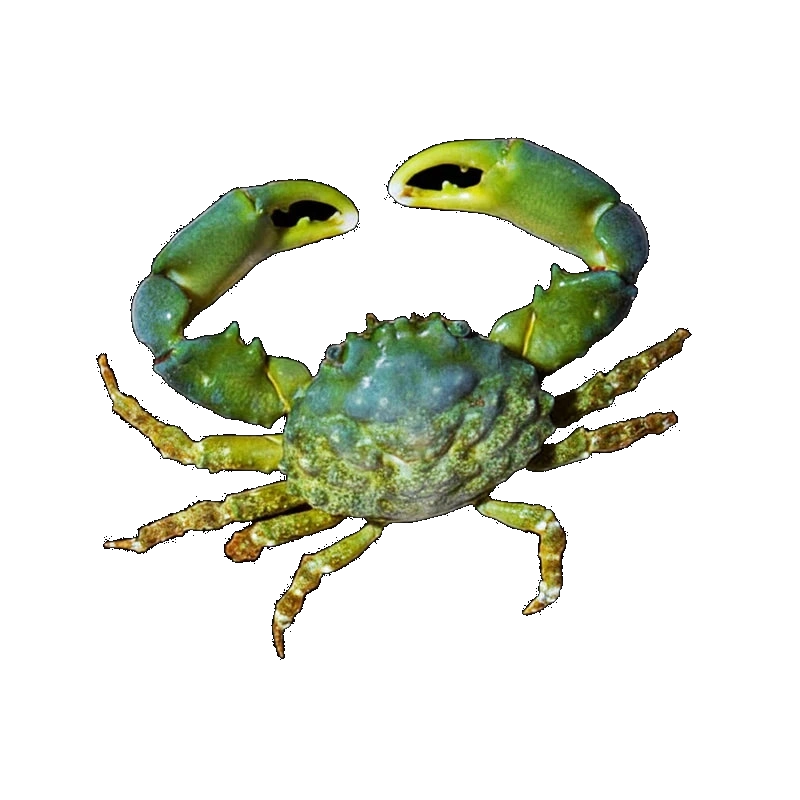
The Emerald Crab (Mithraculus sculptus) is one of the most popular reef-safe algae-eating crabs in marine aquariums; known for its striking green color and small size, it is highly effective at controlling nuisance algae, especially bubble algae, and spends most of its time picking algae from live rock and hard-to-reach areas, making it a valuable member of any reef tank cleanup crew. It eats bubble algae and film algae and helps maintain clean live rock; it is reef-safe when well-fed; keep in a stable mature reef environment, feed if algae is limited, and avoid aggressive tankmates.
Quick facts
Handling caution: Claws can pinch firmly if handled
Identity
- Also known as
- Green Clinging Crab; Green Mithrax Crab
- Synonyms
- Mithrax sculptus
- Environment
- Saltwater
- Native to
- Caribbean Sea, Gulf of Mexico, Bahamas, southern Florida, northern Brazil
- Habitat
- Shallow back-reef environments, rocky outcrops, and seagrass beds down to about 177 ft, hiding in crevices and among coral branches during the day
- Sourcing
- Wild-caught
- Conservation
- Not Evaluated
Care
- Care level
- Easy
- Temperament
- Semi-Aggressive
- Adult size
- 0.5 – 2.5 in (1.3 – 6.4 cm)
- Lifespan
- 2 – 4 yrs
- Min tank
- 20 gal (76 L)
- Growth rate
- Slow
- Placement
- Bottom
Water
- Temperature
- 72 – 78 °F (22 – 26 °C)
- pH
- 8.1 – 8.4
- dKH
- 8 – 12 dKH
- Salinity
- 1.023 – 1.025 SG
- Flow
- Moderate
Behavior & compatibility
- Social
- Solitary
- Aggression to own kind
- Moderate
- Active
- Night
- Reef safe
- With caution
- Invert safe
- With caution
- Shrimp safe
- With caution
- Clean-up role
- Algae, Detritus, Leftover food
- Population boom risk
- Low
Feeding & breeding
- Diet
- Omnivore
- Foods
- Algae, Frozen, Pellets, Freeze-dried, Vegetables
- Breeding type
- Broadcast spawner
- Breeding difficulty
- Not bred in captivity
- Sexing
- Not typically sexed in the trade; males have slightly larger claws than females
- Target feeding
- Beneficial
Something wrong or missing? Submit a correction
Care guide
Overview
Rarely exceeding 2.5 inches across a rounded, flattened carapace, this small crustacean carries smooth green shell coloring and stout claws suited to gripping rockwork. It stays hidden by day within crevices, foraging mainly on bubble algae and detritus after dark. A solitary bottom-dweller, it needs a mature reef with ample live rock and a satisfied appetite to avoid sampling corals or shrimp.
Care
A hardy and adaptable crustacean that settles into most established reef systems without much fuss. It spends daylight hours tucked into rockwork and caves, emerging more openly once it feels secure in its surroundings. Provide plenty of live rock with crevices for shelter and stable water parameters, since like most marine invertebrates it has no tolerance for copper-based medications or sudden swings in salinity or temperature.
Feeding
Naturally an opportunistic scavenger, picking at algae, detritus, and leftover meaty foods scattered through the rockwork. Bubble algae is a preferred target, but a crab given nothing else to eat will eventually turn to coral polyps, zoanthids, or slow-moving tankmates. Offer supplemental sinking pellets, dried seaweed, or chopped shrimp and mysis a few times a week to keep it satisfied and reduce the odds of it foraging on livestock.
Tank mates
Generally compatible with reef-safe fish such as gobies, blennies, and clownfish, plus other cleanup crew members like snails and cleaner shrimp, provided it is not left hungry. Avoid housing multiple individuals in small volumes since they compete for food and can become territorial with one another. Large or aggressive fish that might view the crab as prey, and delicate corals or small ornamental shrimp, warrant extra caution.
Breeding
Reproduction in home aquariums is essentially unheard of, as larvae require planktonic rearing conditions that reef tanks cannot replicate. All specimens in the trade are collected from the wild rather than captive-propagated. No reliable sexing or breeding protocol exists for hobbyist purposes.
Health
Molting is a normal part of growth and a freshly molted crab will hide and appear pale or soft-shelled for a day or two while its new exoskeleton hardens. Sudden death after introduction is usually tied to improper acclimation or exposure to copper-based medication residues. A shortened lifespan or lethargy often points to inadequate feeding rather than disease.
Sources
More Crabs
Something wrong or missing? Submit a correction
In the community
Popular tanks using Emerald Crab
No public tanks are showcasing Emerald Crab yet.