
Coral
ECC Koji Pink Nephthea
Nephthea sp.NephtheidaeSoft corals
Add from My tanks →1 photos
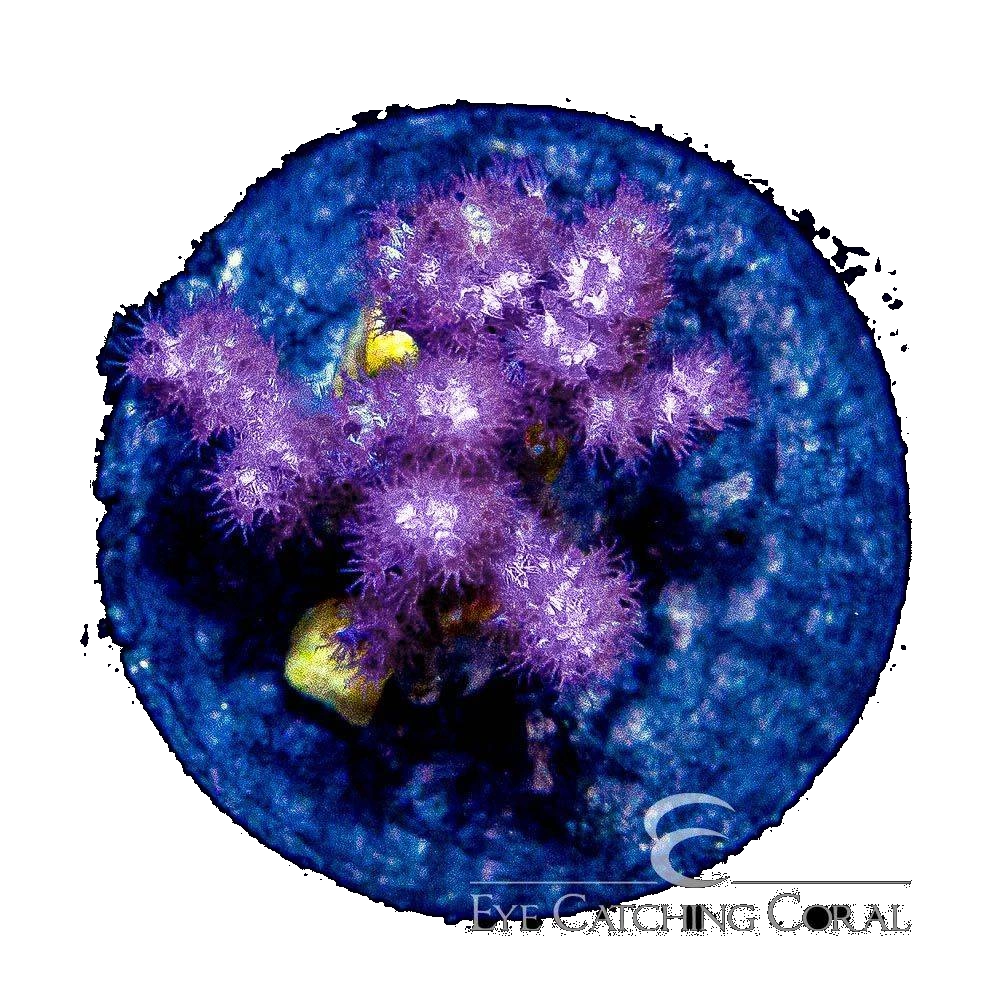
Nephthea corals are hardy soft corals found in colors from brown and green to red and pink; this pink variety is easy to care for and well suited to both beginner and experienced hobbyists, ideal for filling vertical space and adding movement. It does best on rockwork under low to moderate lighting (75-250 PAR) with moderate flow that gently sways its tissue; give it space from neighbors, feed it primarily through photosynthesis with occasional broadcast feedings of phytoplankton, small coral foods, and amino acids, and expect relatively fast upward growth.
Quick facts
Handling caution: Releases terpenoid chemical defenses that can irritate skin and harm sensitive stony corals; wear gloves when fragging
Identity
- Also known as
- Cauliflower coral; Tree coral; Pink Nephthea
- Synonyms
- Nephthya sp.
- Environment
- Saltwater
- Native to
- Indo-Pacific, Fiji, Tonga, Solomon Islands, Australia, Great Barrier Reef
- Habitat
- Shallow reef slopes and lagoons with moderate to strong water movement, attached to rock or rubble substrate
- Sourcing
- Aquacultured
- Conservation
- Not Evaluated
Care
- Care level
- Easy
- Coral type
- Soft
- Temperament
- Semi-Aggressive
- Growth form
- Branching
- Adult size
- 1 – 12 in (2.5 – 30 cm)
- Spread
- 18 in (46 cm)
- Growth rate
- Fast
- Placement
- Middle, High
Water
- Temperature
- 75 – 80 °F (24 – 27 °C)
- pH
- 8.1 – 8.4
- dKH
- 8 – 9.5 dKH
- Salinity
- 1.024 – 1.026 SG
- PAR
- 75 – 250 PAR
- Flow
- Moderate
- Light
- Medium
Reef care
- Nutrient preference
- Medium
- Alk/Ca uptake
- Low
- Target feeding
- Beneficial
- Give it room
- 4 in (10 cm)
- Colors
- Pink, Green, Brown, Red, Cream
Feeding & breeding
- Diet
- Photosynthetic
- Foods
- Coral food, Phytoplankton, Zooplankton
- Propagation
- Fragging
Something wrong or missing? Submit a correction
Care guide
Overview
Pink branches carry fine polyps that sway with moderate flow, giving the colony a soft, feathery texture under medium lighting. This hardy variety fills vertical space quickly, so several inches of clearance from neighboring corals is needed as it spreads and sheds its waxy film periodically. Suited to beginners wanting fast, low-maintenance color and movement.
Care
Nephthea is a hardy branching soft coral that does well under low to moderate lighting and moderate water flow that makes its polyps sway gently. It periodically retracts its polyps and sheds a waxy film over its tissue, a normal process that discourages algae growth and can last a week or two before the colony reopens. Give it plenty of open water space above and around it since it grows upward quickly and can shade or irritate neighboring corals as it expands.
Placement & acclimation
Mount fragments or colonies on exposed rockwork or rubble using coral-safe glue or putty, positioning them where they will receive moderate flow and low to moderate light. Acclimate gradually to brighter lighting over a couple of weeks if moving from a lower-light system, since sudden increases can stress the tissue. Leave several inches of open space on all sides to allow for its fast upward and outward growth.
Feeding
Most of its nutrition comes from the zooxanthellae housed in its tissue, so strong lighting alone will sustain a colony long term. Occasional target or broadcast feeding of phytoplankton, small particulate coral foods, and amino acid supplements can improve growth rate and coloration. Overfeeding is unnecessary and can foul water quality without much added benefit.
Neighbors
Keep several inches of clearance from other corals since Nephthea will sting or overgrow anything it contacts as it spreads. It releases mild chemical defenses into the water that can slow the growth of more sensitive stony corals nearby, so dosing carbon or running additional chemical filtration helps in a mixed reef. Avoid placing delicate SPS directly downstream of a large colony.
Fragging
Frag by cutting healthy branches from the parent colony with clean scissors or a scalpel. Place the cuttings among loose coral rubble in an area of very low flow, where they will attach to the rubble within a few days before being glued to a plug or rock. Handle with gloves since the tissue releases irritating chemical compounds when cut.
Pests & problems
A shrinking, film-covered appearance lasting one to two weeks is a normal shedding cycle rather than a sign of illness, and the colony typically reopens larger afterward. Persistent retraction beyond a few weeks paired with tissue recession can indicate poor water flow, insufficient light, or an unstable alkalinity/calcium balance. Nephthea has no known pest issues but can suffer if kept in a tank with excessive nutrient swings.
Sources
Varieties in the catalog
More Soft corals
Something wrong or missing? Submit a correction
In the community
Popular tanks using ECC Koji Pink Nephthea
No public tanks are showcasing ECC Koji Pink Nephthea yet.