
Marine Invertebrates
Prickly Octopus
Abdopus aculeatusOctopodidaeOctopuses
Price: $42.30 USD
Add from My tanks →1 photos
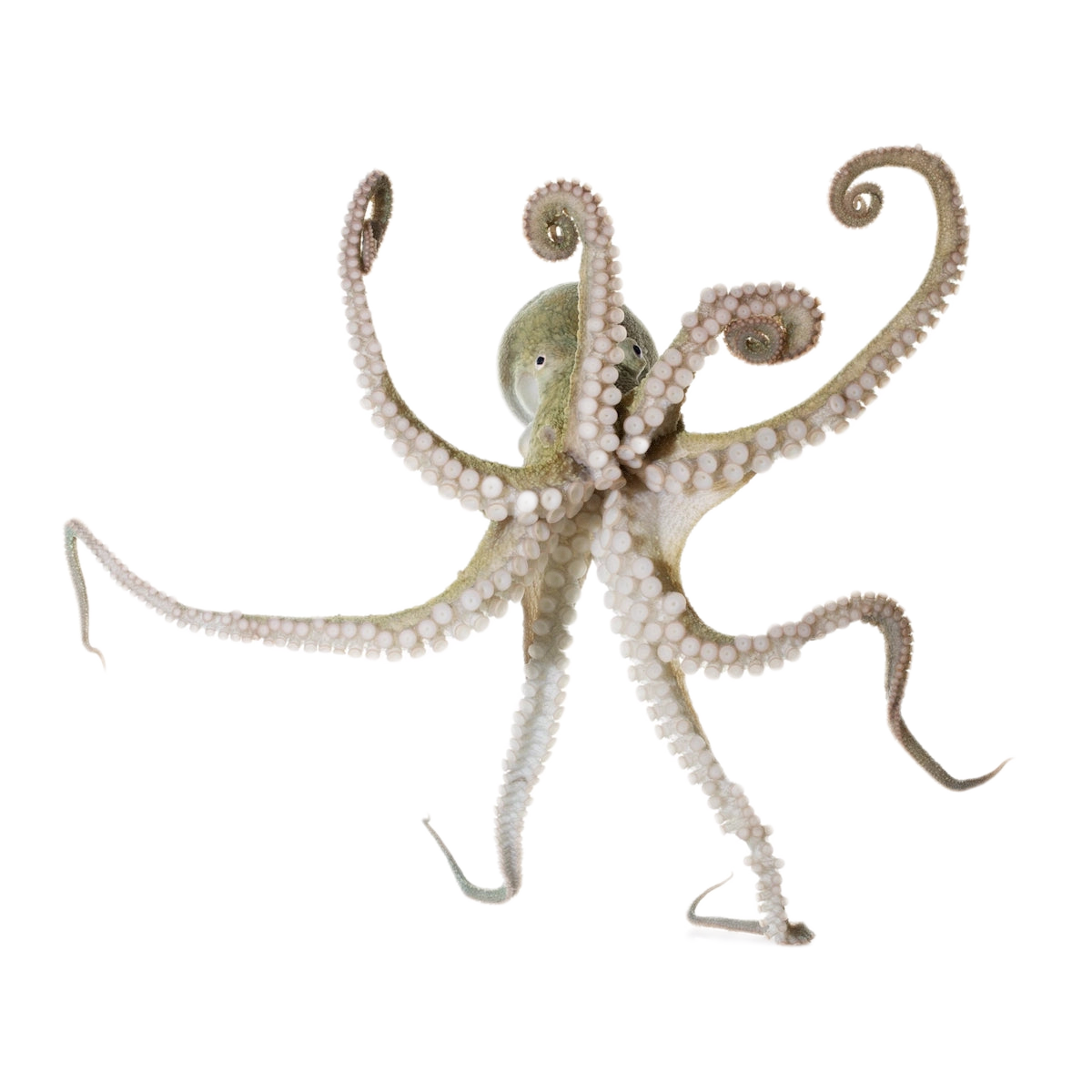
The Prickly Octopus, also known as the Algae Octopus or Wunderpus, is a highly intelligent marine species that can change color and texture to blend into its surroundings. Recommended only for experienced aquarists, it needs a secure octopus-proof tank with hiding spaces, stable pristine water, a carnivorous diet of shrimp, crabs, and small fish, and should not be kept in reef aquariums since it may prey on tankmates.
Quick facts
Handling caution: Delivers a venomous bite via its beak; can inject venomous saliva into prey and may bite if handled
Identity
- Also known as
- Algae Octopus; White-Spotted Octopus; Coconut Octopus; Long Arm Octopus
- Synonyms
- Abdopus abaculus
- Environment
- Saltwater
- Native to
- Indonesia, Philippines, Northern Australia, wider Indo-West Pacific
- Habitat
- Intertidal reef flats, seagrass beds, sand and rubble down to about 17 m, where it digs a den lined with pebbles and shell fragments
- Sourcing
- Wild-caught
- Conservation
- Not Evaluated
Care
- Care level
- Expert Only
- Temperament
- Aggressive
- Adult size
- 3 – 10 in (7.6 – 25 cm)
- Lifespan
- 1 – 2 yrs
- Min tank
- 55 gal (208 L)
- Growth rate
- Fast
- Placement
- Bottom
Water
- Temperature
- 75 – 79 °F (24 – 26 °C)
- pH
- 8.0 – 8.4
- dKH
- 8 – 12 dKH
- Salinity
- 1.024 – 1.026 SG
- Flow
- Moderate
Behavior & compatibility
- Social
- Solitary
- Aggression to own kind
- High
- Active
- Daytime
- Reef safe
- No
- Invert safe
- No
- Shrimp safe
- No
- Clean-up role
- Pest control
- Population boom risk
- Low
Feeding & breeding
- Diet
- Carnivore
- Foods
- Frozen, Live
- Breeding type
- Direct development
- Breeding difficulty
- Not bred in captivity
- Sexing
- Males have a modified third right arm (hectocotylus) used for mating; females are generally larger bodied
- Target feeding
- Required
Something wrong or missing? Submit a correction
Care guide
Overview
Reaching only about 3 to 10 inches across its arm span, this small octopus grows fast but lives just one to two years. Wild-caught from Indo-Pacific reef flats and seagrass beds, it digs a rubble-lined den by day and hunts crabs and shrimp by night, changing skin texture and color to disappear against the substrate. Suited only to an escape-proof, single-occupant predator tank.
Care
This octopus needs an escape-proof aquarium, since it is a capable crawler and can squeeze through remarkably small gaps in lids and plumbing penetrations. Provide deep sand for digging a den and plenty of rubble or live rock so it can build a lined burrow, its preferred daytime retreat. Stable, pristine water quality with strong filtration and frequent testing is essential, as octopuses are highly sensitive to ammonia, nitrite, and copper. Keep it as the sole tank occupant of note, since its intelligence and predatory habits make mixed-species setups risky for tankmates.
Feeding
Offer live or freshly killed crabs, shrimp, and small mollusks, feeding once daily and adjusting portions to appetite and size. Live fiddler crabs or grass shrimp encourage natural hunting behavior and can be used to enrich an otherwise sedentary daytime routine. Watch for reduced appetite or refusal of food, which often signals stress, poor water quality, or the approach of senescence near the end of its short life.
Tank mates
Best kept alone, as it will consume crabs, shrimp, snails, and small or slow-moving fish sharing its tank. It is not considered reef safe, since it may investigate or disturb corals and will treat most invertebrate tankmates as prey. A species-only or predator tank designed specifically around its needs is the safest approach.
Breeding
Mating behavior is unusually complex for an octopus, including mate guarding, brief transient copulations, and sneaker matings by smaller males that approach a guarded female unnoticed. After laying eggs the female tends and guards the clutch without feeding, and dies shortly after the eggs hatch, consistent with the short single-year lifespan typical of the species. Captive breeding is rarely attempted by hobbyists due to the difficulty of rearing planktonic hatchlings.
Health
Sudden lethargy, pale or blotchy coloration, and loss of appetite are common signs of stress or declining water quality. Because octopuses lack a protective slime coat against many medications, copper-based treatments and other invertebrate-unsafe chemicals must be avoided entirely. A natural decline in activity and feeding near the end of its one to two year lifespan is normal senescence rather than illness.
Sources
Something wrong or missing? Submit a correction
In the community
Popular tanks using Prickly Octopus
No public tanks are showcasing Prickly Octopus yet.