
Marine Invertebrates
Premium Rock Flower Anemone
Phymanthus cruciferPhymanthidaeRock flower anemones
Price: $105.75 USD
Add from My tanks →1 photos
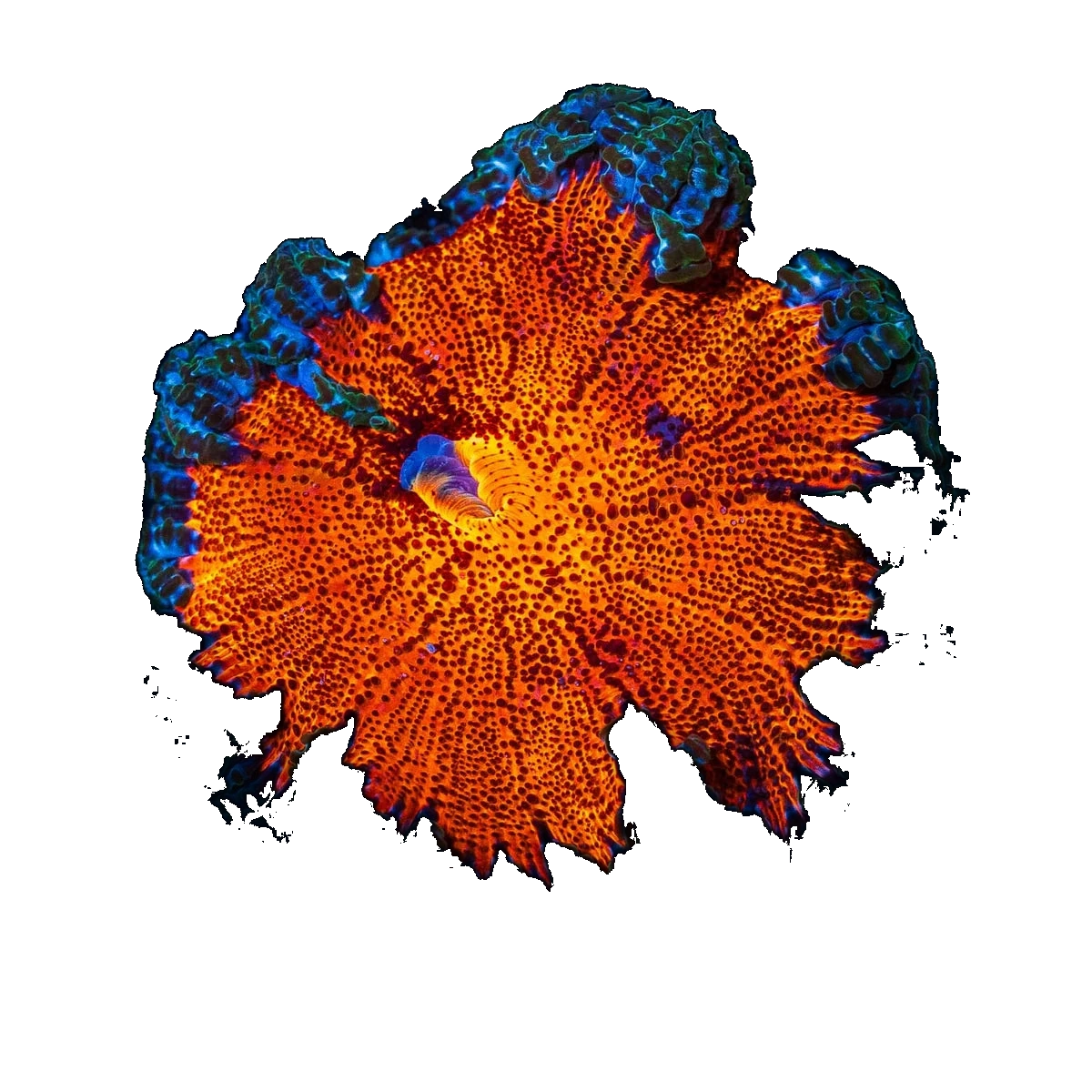
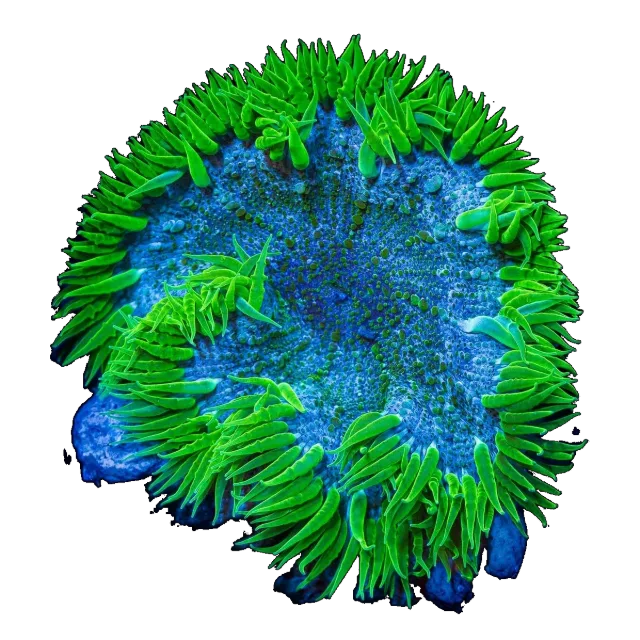
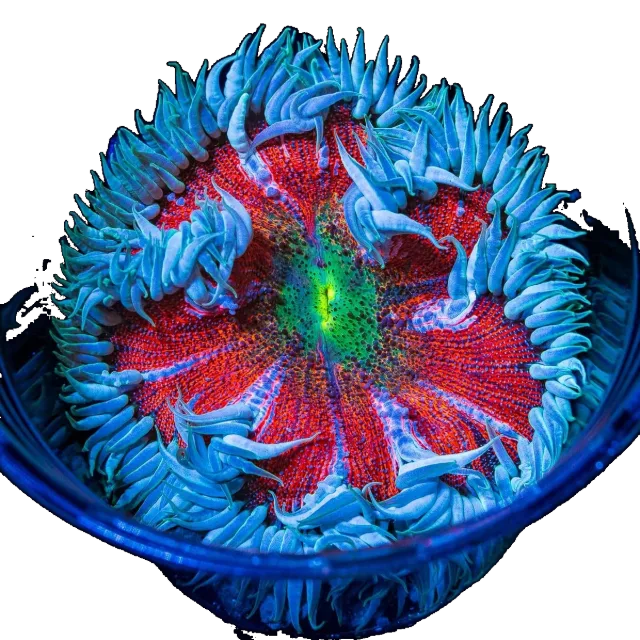
The Premium Rock Flower Anemone, a member of the Phymanthidae family from the Caribbean, comes in a wide array of colors with an oral disc often different in color from the rest of the anemone and beaded tentacles. It is fairly hardy, adapts to a wide variety of lighting, tends not to wander, buries most of its body in sand or lives on shaded vertical rock walls, and is a carnivore needing mussels, chopped fish, and quality frozen foods; adding iodine and trace elements helps it thrive.
Quick facts
Handling caution: Mild sting from nematocyst-covered tentacles; not considered dangerous but can irritate skin or adjacent corals
Identity
- Also known as
- Beaded Anemone; Flower Anemone
- Synonyms
- Phymanthus crucifer (Le Sueur, 1817)
- Environment
- Saltwater
- Native to
- Caribbean Sea, Florida, Bahamas, Gulf of Mexico
- Habitat
- Shallow coastal reef flats, lagoons, and seagrass beds, foot buried in sand or wedged into rock crevices, often on shaded vertical rock walls
- Sourcing
- Wild-caught
- Conservation
- Not Evaluated
Care
- Care level
- Easy
- Temperament
- Peaceful
- Adult size
- 2 – 6 in (5.1 – 15 cm)
- Lifespan
- 5 – 15 yrs
- Min tank
- 20 gal (76 L)
- Growth rate
- Slow
- Placement
- Bottom, Rock & glass
Water
- Temperature
- 76 – 80 °F (24 – 27 °C)
- pH
- 8.1 – 8.4
- dKH
- 8 – 12 dKH
- Salinity
- 1.023 – 1.026 SG
- Flow
- Low-Moderate
Behavior & compatibility
- Social
- Solitary
- Aggression to own kind
- Low
- Active
- Daytime
- Reef safe
- With caution
- Invert safe
- With caution
- Shrimp safe
- Yes
- Population boom risk
- Low
Feeding & breeding
- Diet
- Carnivore
- Foods
- Frozen, Zooplankton, Coral food
- Breeding type
- Broadcast spawner
- Breeding difficulty
- Difficult
- Sexing
- Sexes are separate but not externally distinguishable; sex can only be confirmed by observing spawning or gonad examination
- Target feeding
- Beneficial
Something wrong or missing? Submit a correction
Care guide
Overview
A stable, established reef tank with moderate lighting and low-to-moderate flow suits this anchoring anemone well, since it settles its foot into sand or a rock crevice and rarely moves again. Beaded tentacles surround a contrasting oral disc, and regular target feeding sharpens both color and growth over time. Best kept singly or in small groups with ample spacing.
Care
Rock flower anemones are among the hardiest and most beginner-friendly anemones in the trade, tolerating a wider range of lighting and flow than most of their relatives. They do best with the foot anchored below the sand surface against a piece of rock or wedged into a crevice, which lets them retract quickly when startled. Provide moderate to high lighting and gentle, indirect flow, and keep water parameters stable since they are still reef organisms with limited tolerance for neglect.
Feeding
Zooxanthellae supply a portion of its energy needs, but growth and coloration improve markedly with regular target feeding. Offer small pieces of mysis, brine shrimp, or chopped seafood via turkey baster or feeding tongs once or twice a week directly onto the extended tentacles. Avoid overfeeding, as uneaten food can foul the sand bed around the buried foot.
Tank mates
Generally reef safe and compatible with most peaceful fish and invertebrates, including gobies, blennies, wrasses, and small shrimp, some of which may take up residence among its tentacles. Its sting is mild but corals should still be given a few inches of clearance to avoid contact irritation. Unlike large hosting anemones it rarely wanders once settled, making it easier to plan a stable aquascape around it.
Breeding
Unlike many anemones that reproduce mainly by pedal laceration or splitting, this species more commonly reproduces sexually, releasing gametes during periodic spawning events when both males and females are present. Given enough time and multiple specimens in a tank, small offspring sometimes appear unexpectedly in the sand bed or rockwork. Asexual fragging is possible but risky, with a real chance that one or both halves fail to survive the healing process.
Health
Healthy specimens stay fully expanded with tentacles extended for most of the day and retract quickly when disturbed. Persistent contraction, tissue that appears deflated or discolored, or a foot that will not reattach to a hard surface usually indicate stress from poor water quality or unstable placement. As with other anemones, it should only be introduced to an aquarium that has been running and stable for several months.
Sources
Varieties in the catalog
Something wrong or missing? Submit a correction
In the community
Popular tanks using Premium Rock Flower Anemone
No public tanks are showcasing Premium Rock Flower Anemone yet.