
Terrarium Plant
Pellionia Repens
Pellionia repensUrticaceaeTerrarium plants
Price: $9.99 USD
Add from My tanks →1 photos
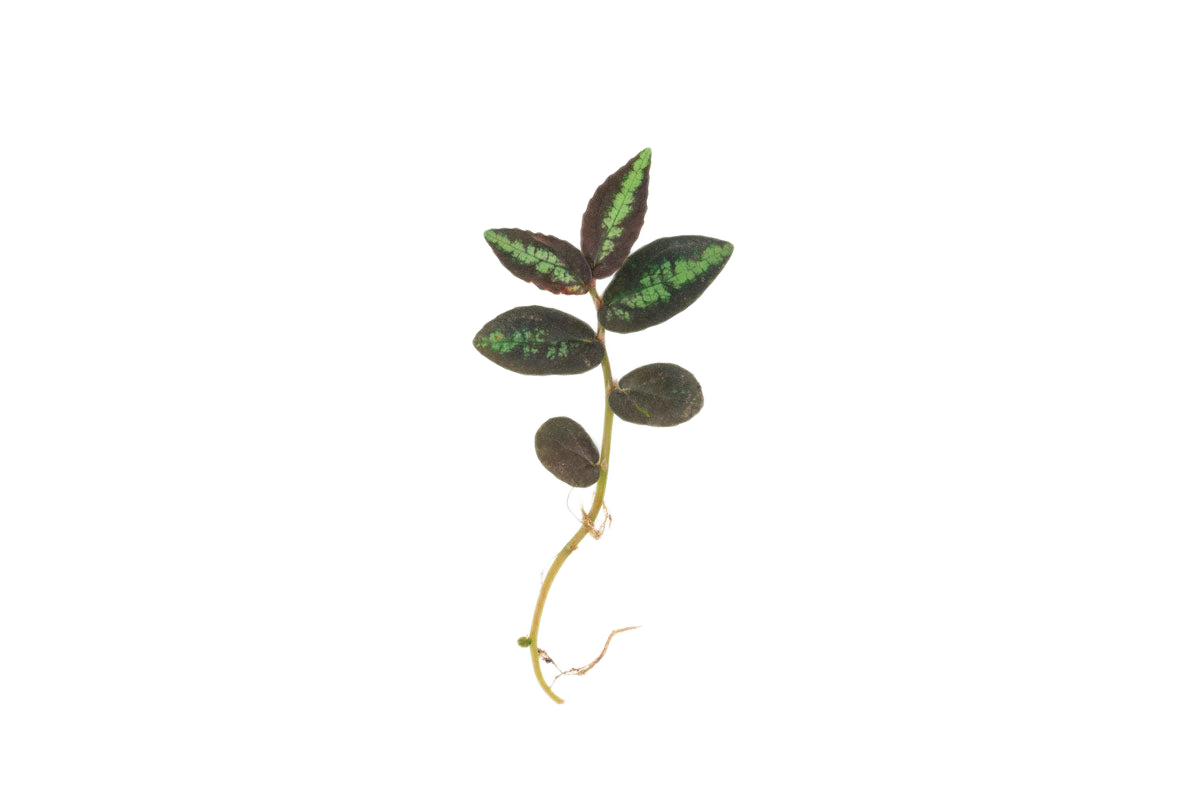
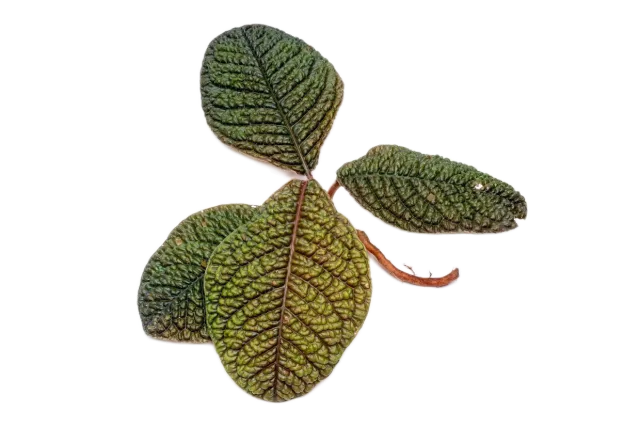
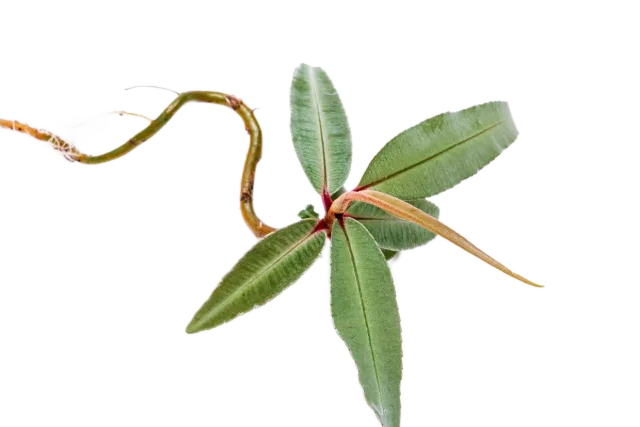
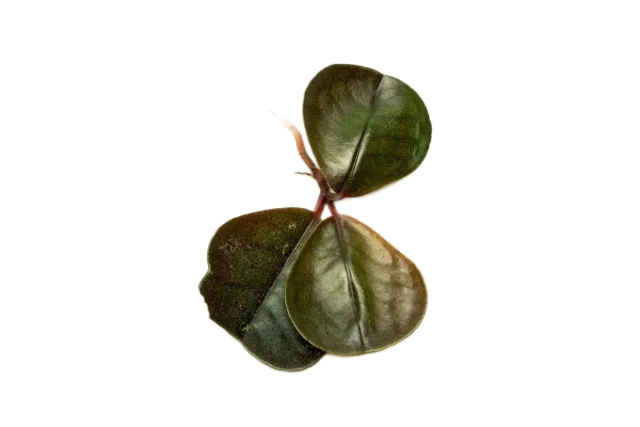
Pellionia repens (Trailing Watermelon Begonia) is a Southeast Asian terrestrial evergreen perennial with dark green ovate leaves patterned in light green to silver, developing pink-red stems in brighter light. It prefers high humidity, partial shade and constantly moist soil for terrariums and paludariums, and dies if submerged.
Quick facts
Identity
- Also known as
- Trailing Watermelon Begonia; Watermelon Begonia; Wavy Watermelon Begonia
- Synonyms
- Procris repens; Elatostema repens; Pellionia daveauana
- Environment
- Terrestrial
- Native to
- Vietnam, Malaysia, Southeast Asia
- Habitat
- Humid tropical forest floor, creeping and rooting at nodes across leaf litter and damp soil in the understory of Southeast Asian rainforests.
- Sourcing
- Captive-bred
- Conservation
- Not Evaluated
Care
- Care level
- Easy
- Growth form
- Vine
- Max height
- 3 – 6 in (7.6 – 15 cm)
- Spread
- 24 in (61 cm)
- Growth rate
- Fast
- Placement
- Midground, Foreground
Water
- Temperature
- 65 – 85 °F (18 – 29 °C)
- Humidity
- 50 – 90%
Planting
- Substrate
- Nutrient-rich preferred
- Feeds from
- Roots
- Fertilizer needs
- Low
- Colors
- Green, Pink, Multicolor
Feeding & breeding
- Propagation
- Cuttings
Something wrong or missing? Submit a correction
Care guide
Overview
Dark green ovate leaves marbled with light green to silvery patterning cover trailing stems that blush pink-red under brighter light. This creeping vine roots at each node as it spreads, forming a low groundcover or draping accent over hardscape. It needs humid, evergreen terrarium or paludarium conditions and cannot tolerate submersion.
Care
This creeping vine roots at its nodes as it spreads, making it a dense groundcover or trailing accent over hardscape in a terrarium or paludarium. Bright but indirect light keeps the leaf pattern crisp and stems compact; too little light causes stretched, leggy growth with sparse foliage. It tolerates typical room temperatures but grows best in warm, humid conditions and should never be allowed to dry out completely.
Planting & trimming
Lay stem cuttings directly on damp substrate or bury the lower nodes lightly; the trailing stems root readily where they touch moist ground or bark. It works well planted in the foreground or allowed to spill over driftwood, rock ledges, or terrarium backgrounds. Pinch growing tips periodically to keep the habit compact and encourage branching.
Fertilizing
A light dose of balanced liquid fertilizer diluted to quarter strength every few weeks during active growth is usually enough, since this plant grows in nutrient-poor leaf litter in the wild. Overfeeding tends to cause weak, floppy stems rather than improved growth. Pale or washed-out new leaves can signal a need for more light rather than more fertilizer.
Propagation
Propagation is done from stem cuttings, which root quickly from the nodes when placed on moist substrate in warm, humid conditions. No rooting hormone is generally needed given how readily the nodes strike roots.
Problems
Crisping or curling leaf edges usually indicate the substrate or air has dried out, while mushy stems point to overly soggy, poorly drained media and incipient rot. It has no serious pest problems in enclosed terrarium conditions, though mealybugs can occasionally appear on houseplant specimens. Cold drafts below roughly 50°F can cause leaf drop.
Sources
More Terrarium plants
Something wrong or missing? Submit a correction
In the community
Popular tanks using Pellionia Repens
No public tanks are showcasing Pellionia Repens yet.