
Coral
ORA Stellar Stylophora Coral
Stylophora pistillataPocilloporidaeStylophora corals
Add from My tanks →1 photos
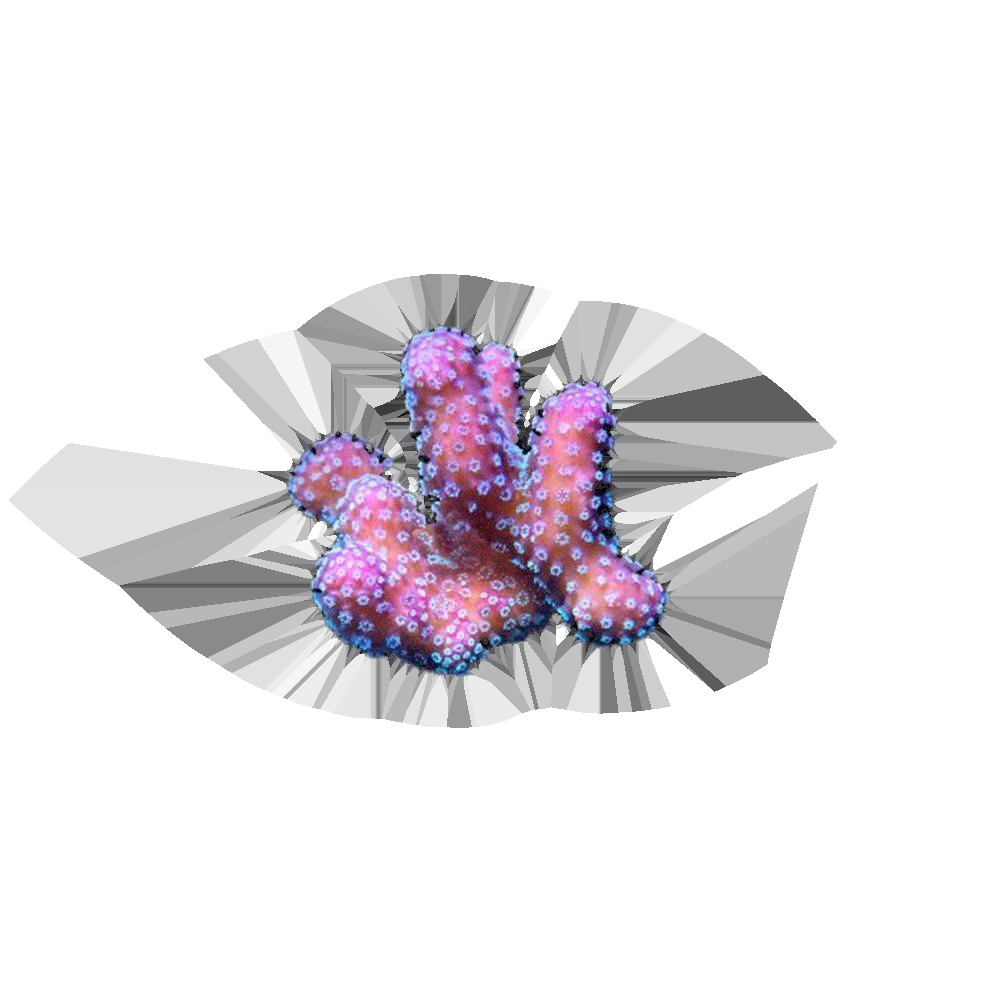
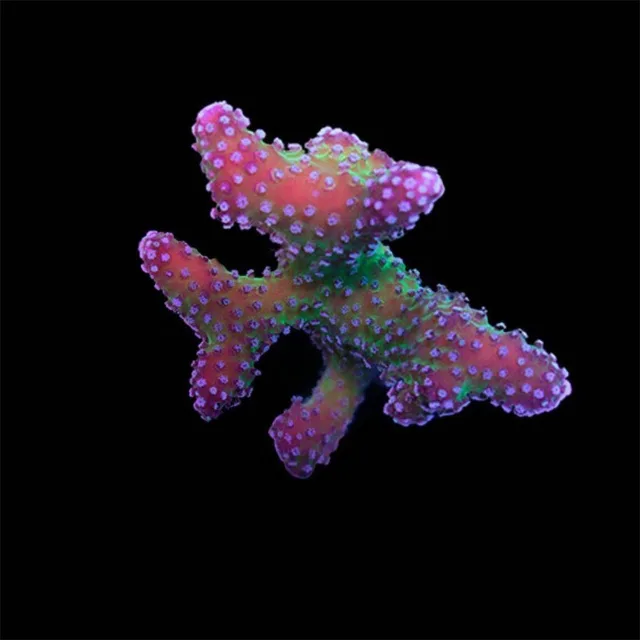
The ORA Stellar Stylophora is an SPS coral with short, thick branches growing close together in a tight cluster. Its colors range from pink and red to purple and peach, accented by bright blue polyps that stand out under reef lighting, and it does best in moderate to high light with moderate to strong water flow.
Quick facts
Identity
- Also known as
- Stellar Stylophora; Hood coral; Cat's Paw coral
- Synonyms
- Stylophora milka
- Environment
- Saltwater
- Native to
- Red Sea, Indo-Pacific, Great Barrier Reef, Coral Sea, Fiji, Tonga, Indonesia
- Habitat
- Shallow reef crests, reef edges and upper slopes exposed to strong wave action and bright light
- Sourcing
- Aquacultured
- Conservation
- Not Evaluated
Care
- Care level
- Easy
- Coral type
- SPS
- Temperament
- Peaceful
- Growth form
- Branching
- Adult size
- 1 – 8 in (2.5 – 20 cm)
- Spread
- 12 in (30 cm)
- Growth rate
- Moderate
- Placement
- High, Middle
Water
- Temperature
- 75 – 79 °F (24 – 26 °C)
- pH
- 8.1 – 8.4
- dKH
- 8 – 9.5 dKH
- Salinity
- 1.025 – 1.026 SG
- PAR
- 200 – 350 PAR
- Flow
- Moderate-High
- Light
- High
Reef care
- Nutrient preference
- Low
- Alk/Ca uptake
- High
- Target feeding
- Beneficial
- Give it room
- 4 in (10 cm)
- Colors
- Green, Pink, Purple, Orange, Blue, Cream, Multicolor
Feeding & breeding
- Diet
- Photosynthetic
- Foods
- Coral food, Phytoplankton, Zooplankton
- Propagation
- Fragging
Something wrong or missing? Submit a correction
Care guide
Overview
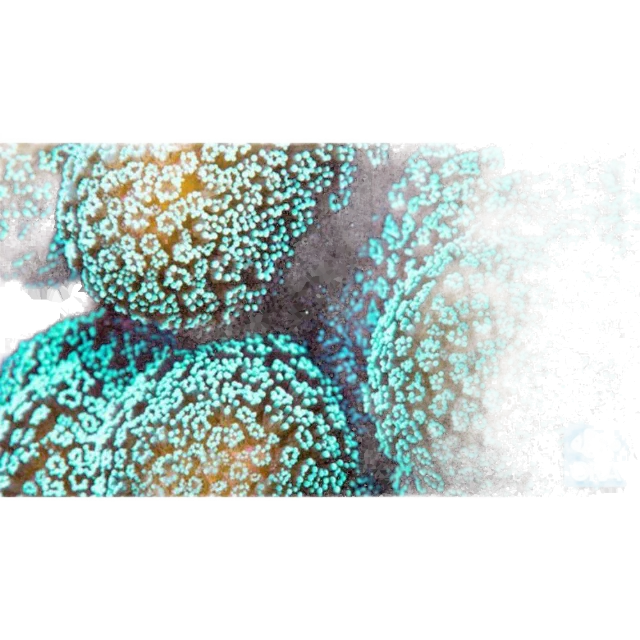
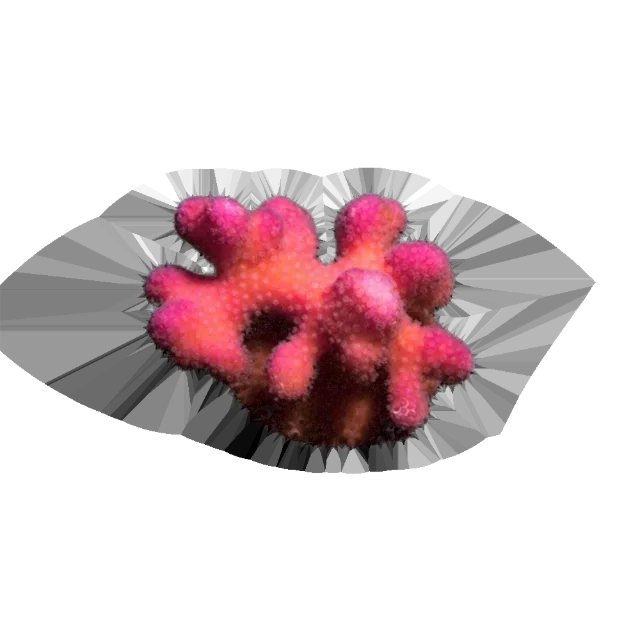
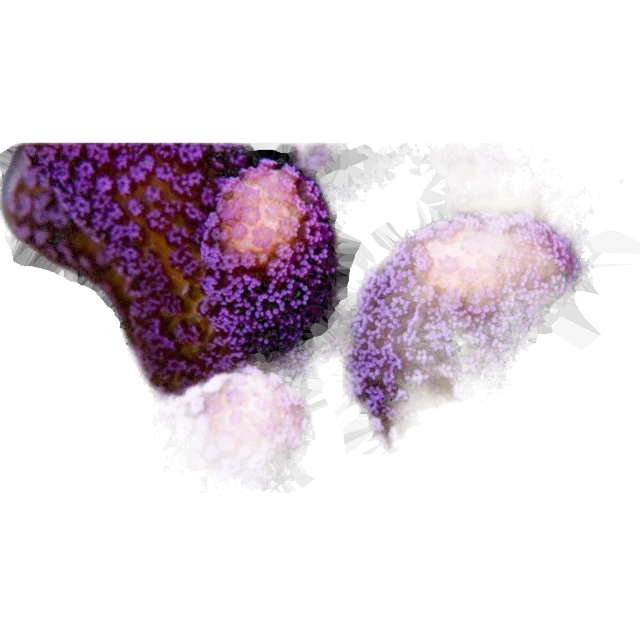
Bred by ORA from Indo-Pacific Stylophora stock, this cultivar forms a tight cluster of short, thick branches rather than an open lattice. Coloration runs pink to red and purple to peach, with blue polyps tipping each branch under strong lighting. Moderate to high light and brisk alternating flow keep the polyps extended and colors saturated.
Care
This is one of the hardier small-polyp stony corals available in the trade, tolerating a wider swing in parameters than demanding genera like Acropora. It comes from shallow, wave-battered reef flats, so it wants strong, alternating water movement and moderate to high light rather than gentle, laminar flow. Keep calcium, alkalinity and magnesium stable and avoid sudden shifts, since rapid tissue necrosis can set in quickly if chemistry swings too far. New frags should be started at lower PAR and moved up gradually over a couple of weeks to prevent bleaching.
Placement & acclimation
Acclimate new colonies to lighting gradually over two to three weeks, starting around 200-250 PAR before moving to a brighter spot. Mount frags securely on rock with reef epoxy or cyanoacrylate gel on the upper to mid rockwork where flow and light are strongest, and leave several inches of open space around the base since colonies broaden considerably as they mature.
Feeding
Most of its energy comes from zooxanthellae, so direct feeding is not required in a well-lit system with fed fish. Occasional target feeding with fine zooplankton, phytoplankton or powdered coral foods can improve polyp extension and coloration. Feed in moderate flow so particles disperse across the branches rather than settling in one spot.
Neighbors
It lacks sweeper tentacles and stinging power, making it a safe neighbor for most other corals, fish, and reef invertebrates. Still, leave a few inches of clearance from adjacent colonies since its branches thicken and expand with growth and can eventually crowd out slower neighbors through simple contact. Peaceful reef fish, shrimp, and snails all coexist with it without issue.
Fragging
Fragging is straightforward: cut branch tips with a bandsaw, coral cutters, or shears and mount the cut fragments on plugs or rubble until they encrust and begin new growth. Cut in flowing water to reduce tissue stress and let fresh cuts rest in low-moderate light for the first days to heal before returning them to full flow and light.
Pests & problems
Pale or washed-out coloration usually signals either too much light too soon or a nutrient imbalance, while browning can indicate excess nutrients. Tissue recession along the branch tips is the main danger sign and often follows a sudden swing in alkalinity, calcium, or temperature. Inspect new frags for skeleton exposed at the base or torn tissue before adding them to a system, as damaged tissue is an entry point for infection.
Sources
Varieties in the catalog
Something wrong or missing? Submit a correction
In the community
Popular tanks using ORA Stellar Stylophora Coral
No public tanks are showcasing ORA Stellar Stylophora Coral yet.