
Coral
ORA Elephant Skin Coral
Pachyseris sp.AgariciidaeLPS/SPS-type plating corals
Add from My tanks →1 photos
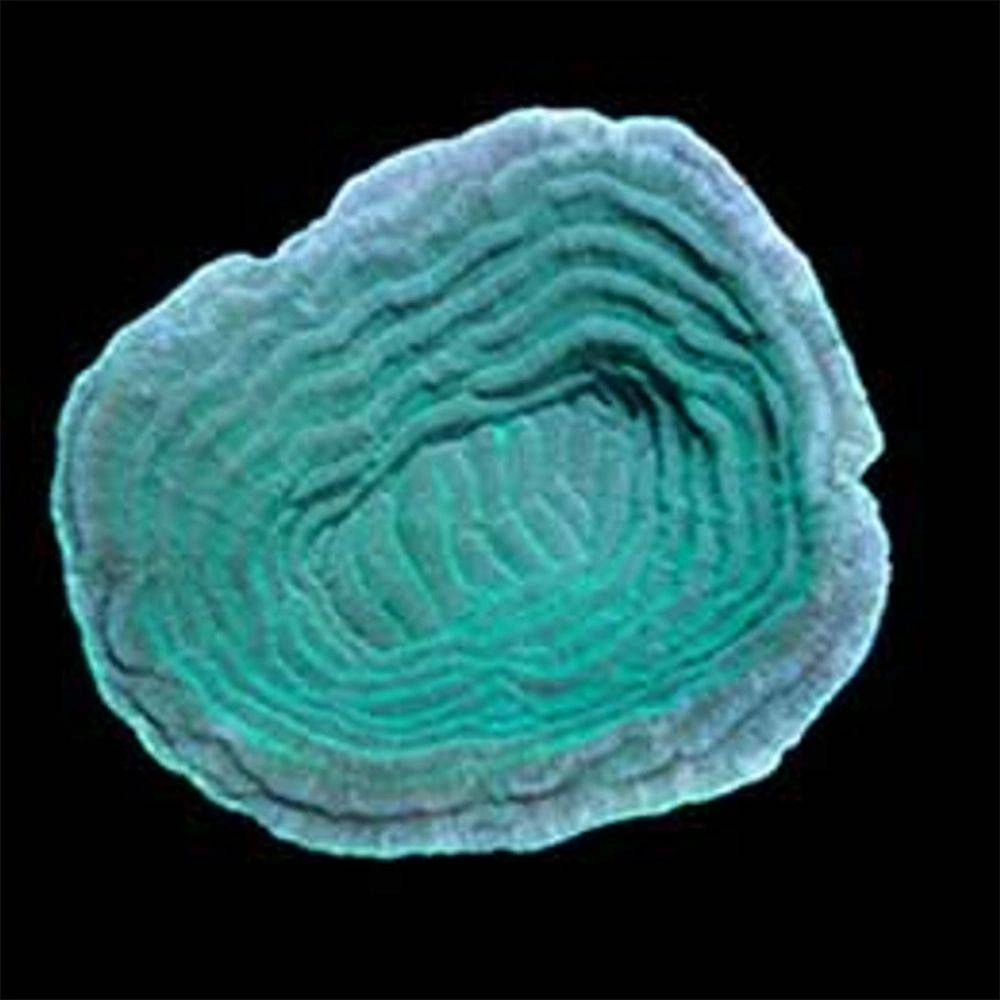
The ORA Elephant Skin Coral is a stony coral with a ridged surface that resembles elephant skin, growing in plating layers. It does best under medium lighting with moderate flow and, like other stony corals, benefits from stable calcium, alkalinity, and magnesium levels for healthy growth.
Quick facts
Identity
- Also known as
- Corduroy Coral; Castle Coral
- Synonyms
- Pachyseris rugosa; Pachyseris speciosa
- Environment
- Saltwater
- Native to
- Indo-Pacific, including the Great Barrier Reef
- Habitat
- Shallow lagoons, reef slopes, and surge channels, typically at depths of 15-65 feet
- Sourcing
- Both
- Conservation
- Not Evaluated
Care
- Care level
- Moderate
- Coral type
- LPS
- Temperament
- Peaceful
- Growth form
- Plating
- Adult size
- 2 – 12 in (5.1 – 30 cm)
- Spread
- 24 in (61 cm)
- Growth rate
- Moderate
- Placement
- Middle
Water
- Temperature
- 74 – 82 °F (23 – 28 °C)
- pH
- 8.0 – 8.4
- dKH
- 8 – 12 dKH
- Salinity
- 1.023 – 1.025 SG
- PAR
- 100 – 300 PAR
- Flow
- Moderate-High
- Light
- Medium
Reef care
- Nutrient preference
- Medium
- Alk/Ca uptake
- Medium
- Target feeding
- Beneficial
- Give it room
- 4 in (10 cm)
- Colors
- Green, Brown, Teal
Feeding & breeding
- Diet
- Photosynthetic
- Foods
- Coral food, Phytoplankton, Zooplankton
- Propagation
- Fragging
Something wrong or missing? Submit a correction
Care guide
Overview
Suited to reef keepers with an established system able to hold steady calcium, alkalinity, and magnesium, this aquacultured colony forms overlapping plates ridged like elephant skin, with no visible polyps to feed directly. It grows outward under medium light and moderate flow, needing clearance from neighboring corals as its plates spread. Expect slow, encrusting growth over years rather than rapid branching.
Care
This coral grows in overlapping plates covered in parallel ridges and valleys that give it the elephant-skin or corduroy look, and it lacks visible polyps or tentacles. It does well under moderate to fairly strong lighting and appreciates steady, moderate to strong flow that keeps detritus from settling on the plate surface. Because it is largely photosynthetic, stable calcium, alkalinity, and magnesium levels matter more than active feeding for long-term coloration and growth. As colonies enlarge and plate out, they can catch flow like a sail, so secure fragments firmly to rock or a plug before they get large.
Placement & acclimation
Acclimate new colonies slowly, starting at moderate PAR around 100-250 and increasing gradually to avoid bleaching, especially with aquacultured frags of unknown lighting history. Mount securely to rock or a frag plug with reef-safe epoxy or cyanoacrylate gel, positioned at a mid-tank level with moderate to strong, ideally random or irregular flow across the plate surface. Leave room around the colony since plates spread outward and can lift off the substrate if flow catches them like a sail.
Feeding
Most nutrition comes from zooxanthellae under adequate light, so no visible polyps are available for direct feeding. Occasional dosing of phytoplankton or fine coral foods in the water column may supplement mucosal or particulate feeding, though this is not essential. Avoid direct target feeding of pellets since the corallites are buried and cannot capture large food items.
Neighbors
Peaceful and lacking sweeper tentacles, it poses little threat to neighboring corals, but its expanding plates need open space to avoid physically overtopping slower-growing neighbors. Keep a few inches of clearance from other stony corals so growth does not shade or contact adjacent colonies. It pairs well with other plating or encrusting species that share similar moderate light and flow requirements.
Fragging
Fragging requires a bandsaw or tile saw because of the dense, plate-like skeleton, unlike branching corals that can be nipped with cutters. Cut sections encrust readily onto frag plugs or rubble once mounted securely. Give fresh frags time to heal at lower light before moving them to their permanent display position.
Pests & problems
Tissue recession along the growing edge is the most common problem, often triggered by sudden swings in alkalinity or detritus accumulating on the plate surface where flow is weak. Sudden increases in light intensity after shipping can cause bleaching, so new colonies should be acclimated gradually from lower to higher PAR. Watch for algae or cyanobacteria film settling in low-flow pockets between ridges, which can smother tissue if not addressed.
Sources
Something wrong or missing? Submit a correction
In the community
Popular tanks using ORA Elephant Skin Coral
No public tanks are showcasing ORA Elephant Skin Coral yet.