
Coral
ORA Duncan Coral
Duncanopsammia axifugaDendrophylliidaeDuncan corals
Add from My tanks →1 photos
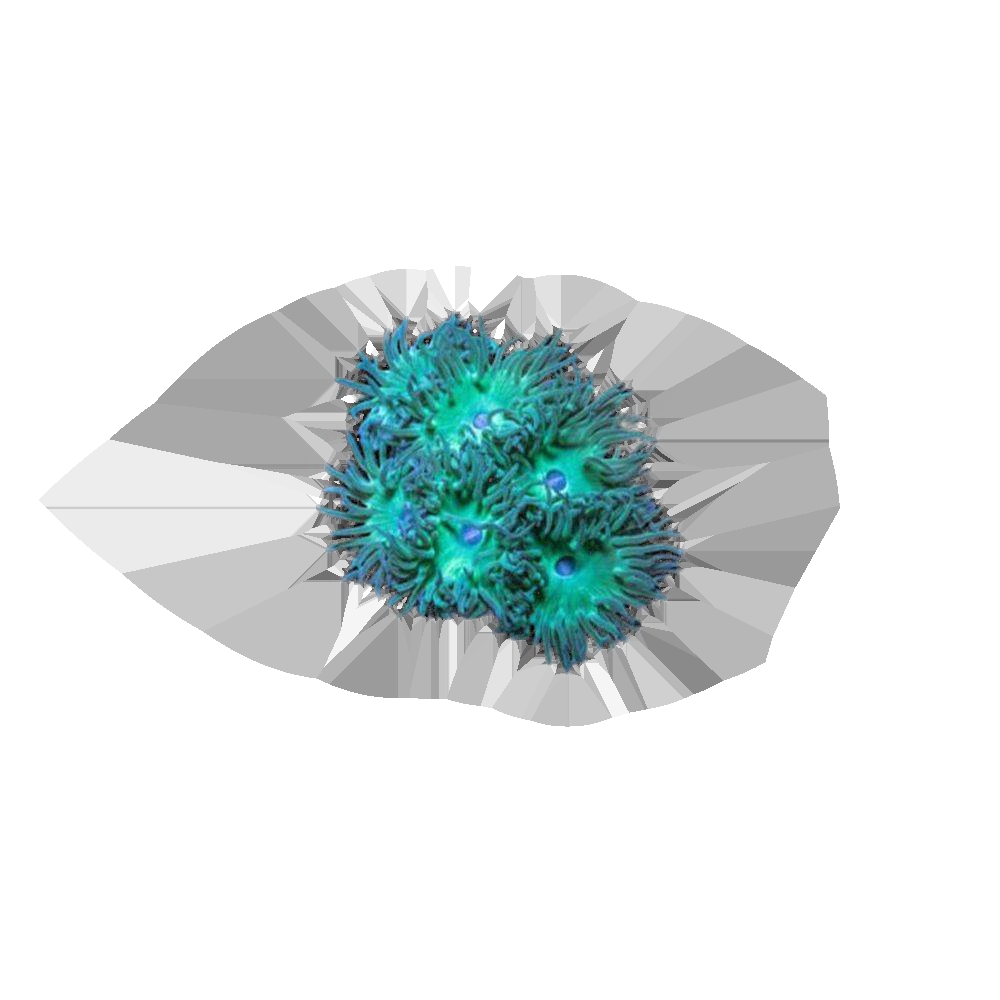
The ORA Duncan Coral (Duncanopsammia) is a fast-growing, branching LPS coral with bright green tissue that almost glows under actinic lighting. It forms tight clusters, prefers medium light with medium flow, and carries a long aquacultured lineage dating back to the colony featured in The Reef Aquarium, Volume 1 by Julian Sprung.
Quick facts
Handling caution: Mild sting from short sweeper tentacles; can irritate skin or neighboring corals
Identity
- Also known as
- Whisker Coral; Duncan's Coral
- Environment
- Saltwater
- Native to
- Australia, Indo-Pacific
- Habitat
- Inhabits sandy or muddy substrates in sheltered bays and deeper reef slopes, often below 20 m, attached to hard substrate and small rubble
- Sourcing
- Both
- Conservation
- Not Evaluated
Care
- Care level
- Easy
- Coral type
- LPS
- Temperament
- Peaceful
- Growth form
- Branching
- Adult size
- 1 – 4 in (2.5 – 10 cm)
- Spread
- 12 in (30 cm)
- Growth rate
- Fast
- Placement
- Low, Middle
Water
- Temperature
- 76 – 80 °F (24 – 27 °C)
- pH
- 8.1 – 8.4
- dKH
- 8 – 10 dKH
- Salinity
- 1.025 – 1.026 SG
- PAR
- 80 – 150 PAR
- Flow
- Low-Moderate
- Light
- Medium
Reef care
- Nutrient preference
- Medium
- Alk/Ca uptake
- Medium
- Target feeding
- Beneficial
- Give it room
- 3 in (7.6 cm)
- Colors
- Green, Brown, Teal, Purple, Cream
Feeding & breeding
- Diet
- Carnivore
- Foods
- Frozen, Coral food, Zooplankton, Target-fed
- Propagation
- Fragging
Something wrong or missing? Submit a correction
Care guide
Overview
Suited to reef keepers wanting an easy branching LPS with reliable green tissue tone under actinic light. This aquacultured strain traces to a long-established captive lineage and forms tight polyp clusters that extend by day and night. Medium light and flow keep coloration consistent, with target feeding encouraged for polyp growth.
Care
Duncan coral is a hardy branching LPS that tolerates a wide range of light and flow, making it a common recommendation for hobbyists moving beyond soft corals. Its skeleton grows outward with individual polyps fused at the base, forming a tight cluster of fleshy heads with tentacles that extend by day and night. Keep alkalinity, calcium, and magnesium stable rather than chasing exact target numbers, since parameter swings are the most common cause of tissue recession. Mount the frag base securely on rock or in a sandbed depression, as the skeleton is brittle where it attaches.
Placement & acclimation
Acclimate to light gradually over one to a few weeks when moving to a brighter position, since sudden increases can cause bleaching. Place low to mid in the tank on a stable rock ledge or in the sandbed with the base slightly elevated to prevent abrasion and detritus buildup. A slow drip acclimation of 30-45 minutes helps reduce shock from shipping water when first introduced.
Feeding
Duncanopsammia carries zooxanthellae and gets a portion of its energy from light, but regular meaty feedings noticeably improve polyp size and coloration. Offer mysis, chopped krill, enriched brine shrimp, or other small zooplankton-sized foods a few times a week, targeting individual polyps once tentacles are extended. Feeding after lights dim or during a period of reduced flow makes it easier for the polyps to capture and hold food.
Neighbors
Sweeper tentacles are short but can sting corals placed within a few inches, so leave 2-4 inches of clearance from neighboring colonies. It is generally peaceful toward fish and reef-safe with most invertebrates, though small ornamental shrimp may attempt to steal food directly from extended polyps. Avoid placing it near aggressive corals with long sweepers or fish that habitually pick at LPS tissue.
Fragging
Colonies are fragged by cutting between individual polyp heads with a coral saw or bone cutters, then mounting each piece on a plug or rubble until tissue recovers. Because the skeleton is fused only at the base, division is straightforward compared to many other LPS species. Fragged pieces recover well when kept in stable, moderate-flow conditions with light feeding.
Pests & problems
Pale or bleached tissue usually points to excess light or insufficient feeding, while polyps that stay closed for extended periods often indicate poor flow, pest irritation, or a recent parameter shift. Brown jelly infection or rapid tissue recession can spread quickly across a colony and should be addressed by fragging away affected heads and isolating healthy tissue. New imports sometimes sulk for a week or two after shipping before polyps extend normally again.
Sources
Something wrong or missing? Submit a correction
In the community
Popular tanks using ORA Duncan Coral
No public tanks are showcasing ORA Duncan Coral yet.