
Coral
ORA Candy Cane Coral
Caulastrea furcataMerulinidaeCandy cane corals
Add from My tanks →1 photos
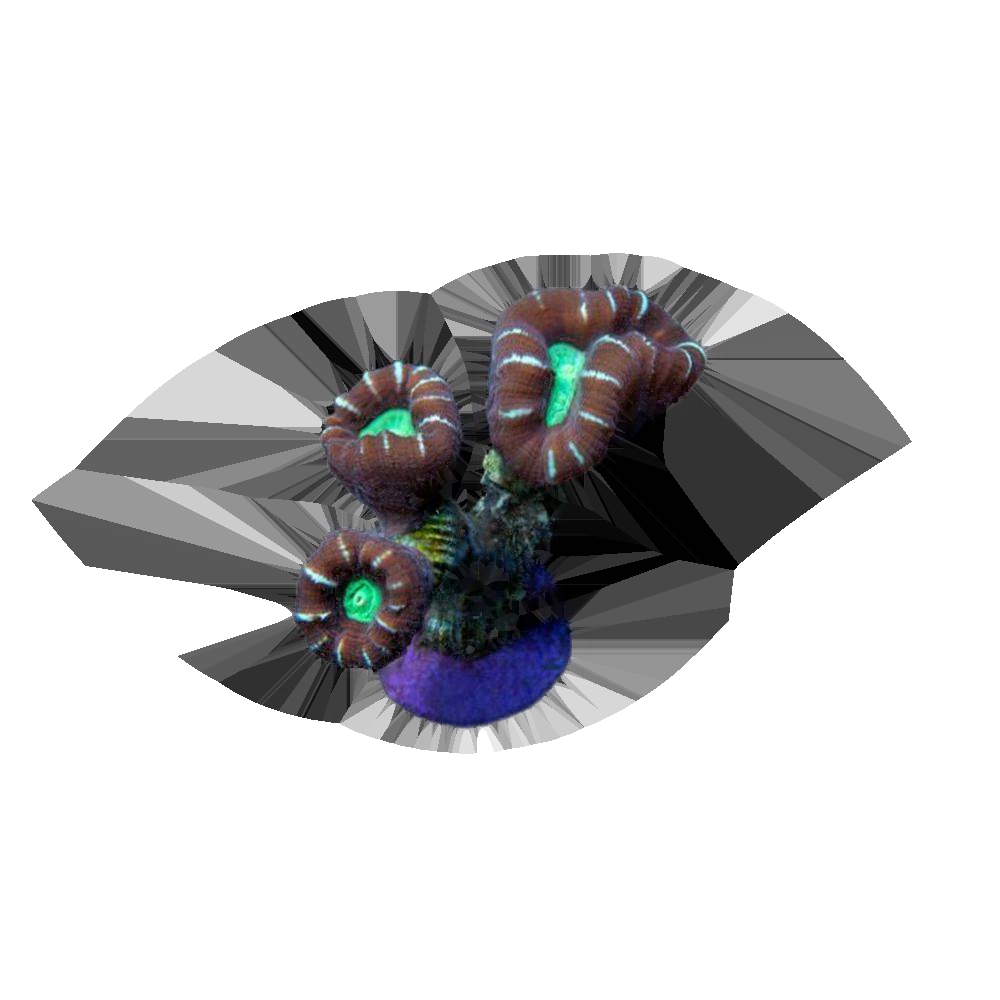
The ORA Candy Cane Coral is a hardy LPS coral with thick branches and round, striped polyps in shades of green and white. It is easy to keep, grows into a dense, dome-shaped colony over time, and regular calcium and alkalinity maintenance supports healthy growth and color.
Quick facts
Handling caution: Short sweeper tentacles can sting skin and neighboring corals
Identity
- Also known as
- Trumpet coral; Candy Cane Coral; Torch coral (colloquial)
- Synonyms
- Caulastrea furcata var.
- Environment
- Saltwater
- Native to
- Indo-Pacific, Fiji, Australia
- Habitat
- Shallow reef flats, lagoons, and tide pools with moderate light and flow
- Sourcing
- Both
- Conservation
- Not Evaluated
Care
- Care level
- Easy
- Coral type
- LPS
- Temperament
- Semi-Aggressive
- Growth form
- Branching
- Adult size
- 1 – 12 in (2.5 – 30 cm)
- Spread
- 20 in (51 cm)
- Growth rate
- Fast
- Placement
- Low, Middle, Sand bed
Water
- Temperature
- 75 – 80 °F (24 – 27 °C)
- pH
- 8.1 – 8.4
- dKH
- 8 – 10 dKH
- Salinity
- 1.023 – 1.026 SG
- PAR
- 50 – 150 PAR
- Flow
- Low-Moderate
- Light
- Low
Reef care
- Nutrient preference
- Medium
- Alk/Ca uptake
- Medium
- Target feeding
- Beneficial
- Give it room
- 4 in (10 cm)
- Colors
- Green, Brown, Cream, Multicolor
Feeding & breeding
- Diet
- Photosynthetic
- Foods
- Frozen, Zooplankton, Coral food, Phytoplankton
- Propagation
- Fragging
Something wrong or missing? Submit a correction
Care guide
Overview
Round, striped polyps in green and white cap thick, fleshy branches that fuse into a dome-shaped colony as heads multiply through budding. This ORA-propagated strain is aquacultured rather than wild-collected, making it a reliably hardy choice for reef keepers starting out with LPS. Give it moderate light, gentle flow, and stable water chemistry, and space it well away from neighboring corals.
Care
Candy cane coral tolerates a wide swing of light and flow, which is why it appears on nearly every beginner-friendly coral list. It does best under low to moderate PAR (roughly 50-150) and moderate, indirect flow that keeps the fleshy heads clean without whipping the tissue. Calcium, alkalinity, and magnesium should stay reasonably stable since it is a stony coral, but it forgives minor drift better than SPS species. New frags benefit from a slow light acclimation over two to three weeks, starting in a shadier, lower-flow spot before moving to the final position.
Placement & acclimation
Mount low to mid-tank on stable rock or place directly on the sand bed, avoiding burial of the fleshy heads. Acclimate new frags to lighting gradually over two to three weeks, and use a short drip or float acclimation to adjust to salinity and temperature before placement. Leave several inches of open space around the colony to accommodate both its growth and its sweeper tentacles.
Feeding
Most of its nutrition comes from zooxanthellae, so feeding is optional but speeds growth and improves color saturation. Offer small meaty items such as mysis, enriched brine shrimp, or chopped seafood two to three times a week, along with occasional coral food or phytoplankton for the polyps. Target feeding works best in the evening or under subdued light when the feeding tentacles are extended, and overfeeding should be avoided since it can drive nutrient spikes.
Neighbors
Give colonies at least 4-6 inches of clearance from neighboring corals since nighttime sweeper tentacles can reach a couple of inches and sting sessile neighbors. It pairs well with other LPS kept under similar moderate light and flow, but should not be crowded against soft corals or fellow candy canes as the colony expands. Snails and larger fish can occasionally knock over unsecured frags, so mounting them firmly on rock or rubble is worthwhile.
Fragging
Colonies are fragged by cutting between the branching corallites with a coral saw, bandsaw, or shears, separating one or more heads per frag. Cuts should be made cleanly through the skeleton rather than the fleshy tissue, and fresh frags are best glued or wedged onto plugs or rubble and kept in low flow while they heal.
Pests & problems
Tissue recession can follow excessive flow or unstable alkalinity, while pale or bleached tissue usually points to too much light or overly stripped nutrient levels. Brown jelly infection can set in after physical injury or shipping stress and should be treated by fragging away affected heads and improving water movement. New colonies should be dipped and quarantined to screen for flatworms, nudibranchs, or other coral pests before introduction to the display.
Sources
Something wrong or missing? Submit a correction
In the community
Popular tanks using ORA Candy Cane Coral
No public tanks are showcasing ORA Candy Cane Coral yet.