
Coral
ORA Assorted Marshall Island Zoanthid Polyps
ZoanthidaeZoanthids
Add from My tanks →1 photos
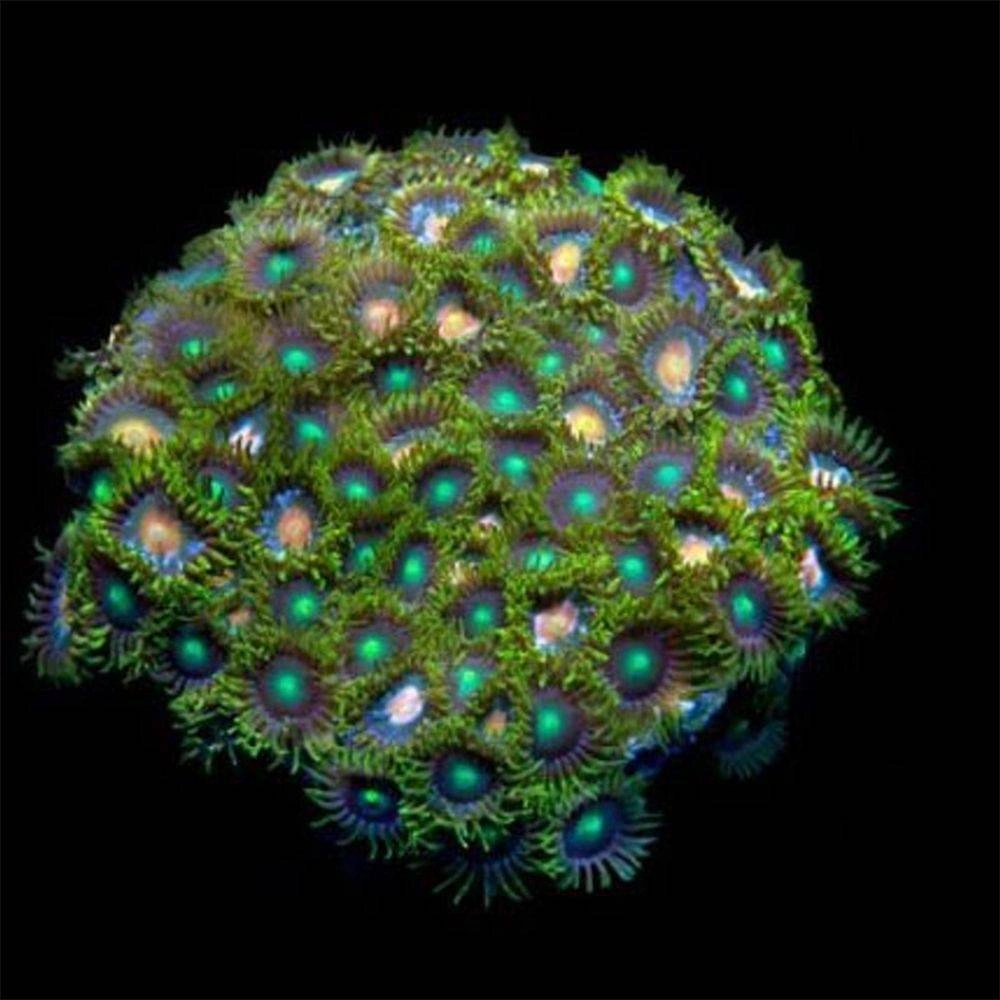
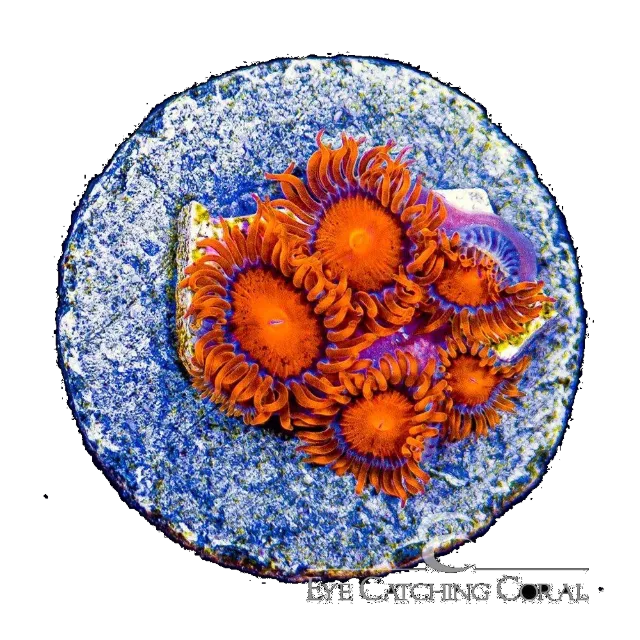
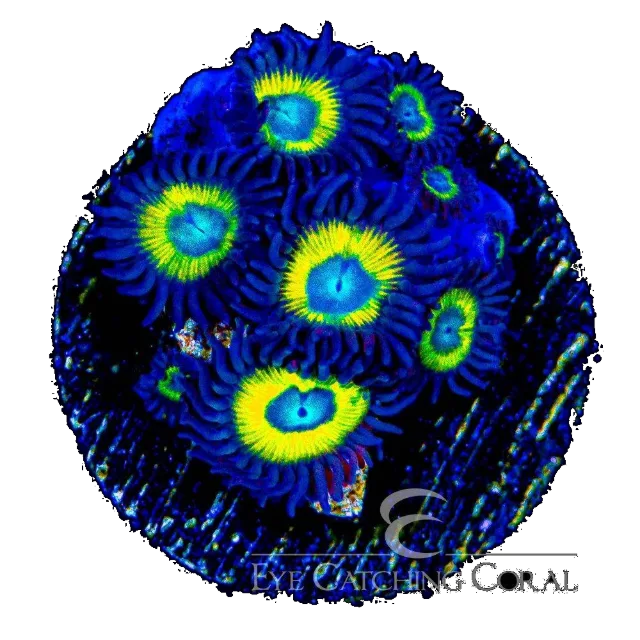
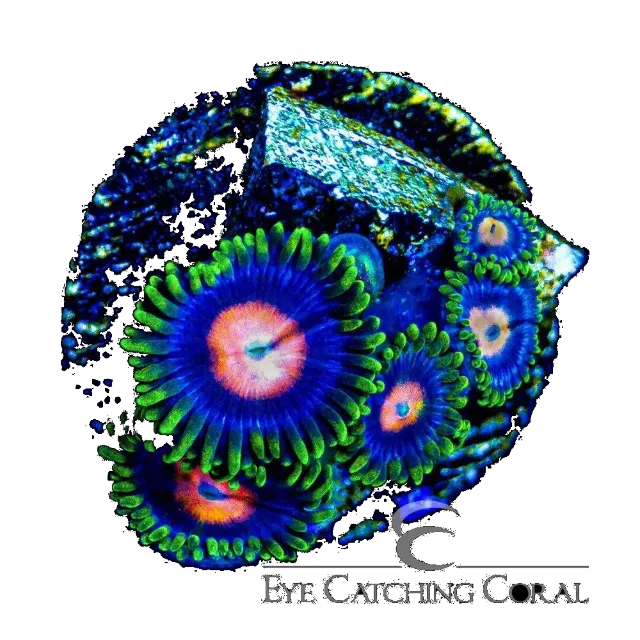
The ORA Assorted Marshall Island Zoanthid Polyps come in mixed colors including green, gold, red, and yellow; each 2-inch frag is well covered with polyps and may include multiple color forms. These hardy, fast-growing soft corals are great for beginners, preferring medium lighting (150-250 PAR) and medium flow, and kept in standard stable reef conditions with salinity 1.025-1.026 and temperature 76-80 degrees F.
Quick facts
Handling caution: Some zoanthids (especially Palythoa) may carry palytoxin; handle with gloves and avoid contact with eyes or open wounds
Identity
- Also known as
- Zoas; Zoos; Button polyps; Colony polyps
- Synonyms
- Palythoa sp. (often confused, but distinct genus)
- Environment
- Saltwater
- Native to
- Indo-Pacific, Marshall Islands, Micronesia, Caribbean
- Habitat
- Shallow, nutrient-rich reef flats and lagoons, often in areas with moderate wave action and high light exposure
- Sourcing
- Aquacultured
- Conservation
- Not Evaluated
Care
- Care level
- Easy
- Coral type
- Zoanthid
- Temperament
- Peaceful
- Growth form
- Colonial polyps
- Spread
- 12 in (30 cm)
- Growth rate
- Fast
- Placement
- Low, Middle
Water
- Temperature
- 76 – 80 °F (24 – 27 °C)
- pH
- 8.1 – 8.4
- dKH
- 8 – 12 dKH
- Salinity
- 1.025 – 1.026 SG
- PAR
- 150 – 250 PAR
- Flow
- Moderate
- Light
- Medium
Reef care
- Nutrient preference
- Medium
- Alk/Ca uptake
- Low
- Target feeding
- Beneficial
- Give it room
- 2 in (5.1 cm)
- Colors
- Green, Yellow, Orange, Red, Purple, Multicolor
Feeding & breeding
- Diet
- Photosynthetic
- Foods
- Frozen, Zooplankton, Coral food, Phytoplankton
- Propagation
- Fragging
Something wrong or missing? Submit a correction
Care guide
Overview
ORA-cultured Marshall Island zoanthid frags carry a mix of color morphs, often combining green, gold, red, and yellow polyps on a single two-inch plug. Colonies bud outward quickly under medium light and flow, filling available rock space within weeks. Suited to beginners, they need only occasional target feeding and clearance from stinging LPS neighbors.
Care
Zoanthid colonies adapt to a wide range of reef conditions but do best when introduced slowly to their permanent spot. Moderate light and moderate flow suit most color morphs, though many will tolerate lower light if kept lower in the tank. Polyps that stay closed for extended periods usually signal a flow, lighting, or water quality issue rather than a coral in poor health.
Placement & acclimation
Mount frags on rock or frag plugs using coral glue or epoxy in a spot with moderate light and moderate flow, starting lower in the water column and moving upward gradually if more intense lighting is desired. New frags should be acclimated to light slowly over one to two weeks to prevent bleaching. Avoid direct blasting flow that could prevent polyps from opening.
Feeding
Most of their nutritional needs come from the zooxanthellae housed in their tissue, so daily feeding is not required. Occasional target feeding with mysis, small zooplankton, or coral foods can boost polyp size and coloration, especially in nutrient-poor systems. Turning off flow briefly during feeding lets the polyps capture food before it is swept away.
Neighbors
Zoanthids are not aggressive toward neighboring corals but their colonizing growth habit means they can eventually crowd out slower-growing species if left unchecked. They are more often at risk from other corals' sweeper tentacles than the reverse, so leave clearance from stony corals and larger LPS. Predatory nudibranchs and zoa-eating filefish should be avoided in a tank with a valued colony.
Fragging
Colonies are fragged by cutting the base mat or rock with a sharp blade or bone cutters to separate a section containing several polyps, then mounting the piece on a new base. Fragging is straightforward and colonies recover and re-expand within days to a couple of weeks under stable conditions. Wearing gloves is recommended during cutting due to potential toxin exposure.
Pests & problems
Common pest issues include zoa pox, spotting from unknown pathogens, and predation from nudibranchs or Asterina starfish that graze on polyp tissue. Closed or receding polyps often trace back to unstable alkalinity, nitrate spikes, or a sudden change in lighting or flow. Dipping new frags before introduction helps prevent hitchhiking pests from reaching the display tank.
Sources
More Zoanthids
Something wrong or missing? Submit a correction
In the community
Popular tanks using ORA Assorted Marshall Island Zoanthid Polyps
No public tanks are showcasing ORA Assorted Marshall Island Zoanthid Polyps yet.