
Terrarium Plant
Leea Zippeliana Sp. Papua
Leea zippelianaVitaceaeTerrarium plants
Price: $44.99 USD
Add from My tanks →1 photos
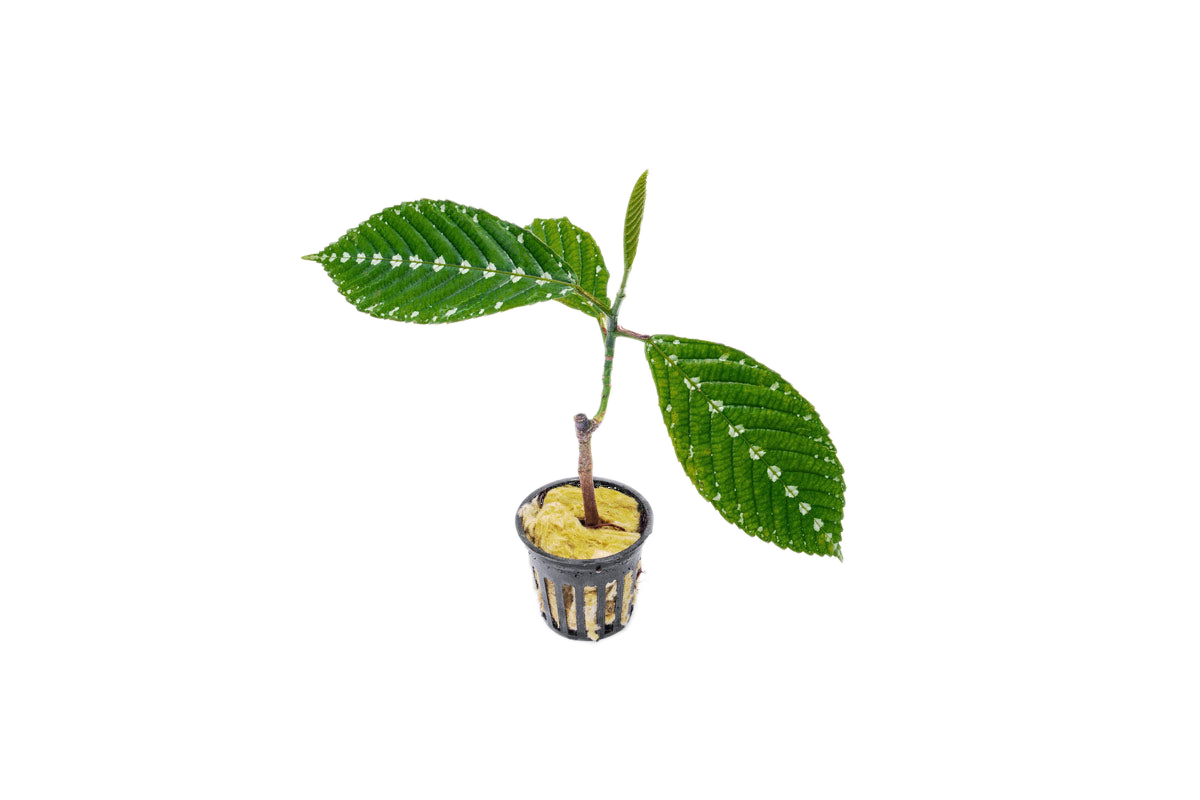
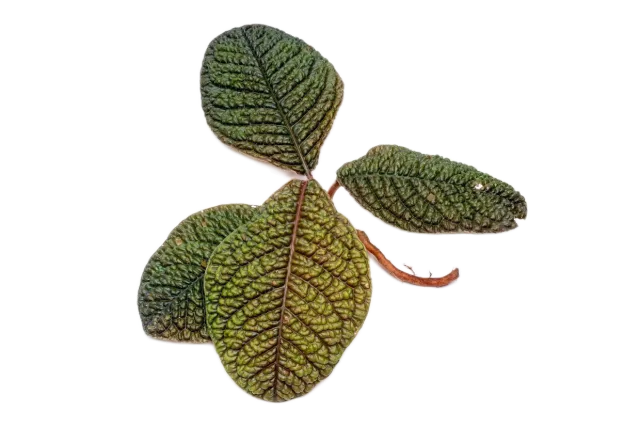
Leea zippeliana from Papua is an exotic ornamental plant with large, compound, serrated leaves bearing a distinctive snake-skin-like pattern. A terrestrial plant for humid tropical environments, it prefers well-draining soil, bright indirect light, 50 to 80 percent humidity and 68 to 77°F, and is not suited to full submersion; its sap contains calcium oxalate and irritates skin.
Quick facts
Handling caution: Sap contains calcium oxalate and can irritate skin
Identity
- Also known as
- Snake skin plant
- Environment
- Terrestrial
- Native to
- New Guinea, Indonesia
- Habitat
- Understory of primary rainforest, riverine forest and lowlands, growing as a slender shrub in humid, shaded tropical forest floors
- Sourcing
- Wild-caught
- Conservation
- Not Evaluated
Care
- Care level
- Moderate
- Growth form
- Rosette
- Max height
- 6 – 24 in (15 – 61 cm)
- Spread
- 14 in (36 cm)
- Growth rate
- Moderate
- Placement
- Midground
Water
- Temperature
- 68 – 80 °F (20 – 27 °C)
- Humidity
- 60 – 85%
Planting
- Substrate
- Nutrient-rich preferred
- Feeds from
- Roots
- Fertilizer needs
- Medium
- Colors
- Green
Feeding & breeding
- Propagation
- Seeds, Cuttings
Something wrong or missing? Submit a correction
Care guide
Overview
Reaching up to two feet with a spread near 14 inches, this Papua-collected form of Leea zippeliana forms a slender rosette of compound, serrated leaves marked with pale, snake-skin-like veining. It is grown emersed in a warm, humid terrarium or paludarium background with only its roots kept moist, never submerged. Handle cuttings with care, as the sap can irritate skin.
Care
This understory shrub from New Guinea's rainforests does best in a warm, sheltered terrarium or paludarium where the leaves stay above the waterline and only the roots sit in moist substrate. It wants bright but filtered light rather than direct sun, which tends to bleach out the pale veining on the leaves. Keep temperatures in the mid to upper 70s Fahrenheit and humidity consistently high, since this species does not tolerate drying out or full submersion.
Planting & trimming
Remove any packing material such as cotton from the roots before planting into a rich, well-draining substrate, keeping the crown at soil level rather than buried. Position it where foliage stays emersed above any water feature, as in a paludarium background or terrarium floor, with the root zone kept evenly moist. Trim any damaged or yellowing leaves at the base to keep the rosette tidy.
Fertilizing
A diluted balanced liquid fertilizer applied monthly during active growth supports fuller foliage, tapering off in cooler or slower periods. Because it is grown in soil rather than submerged, root tabs are unnecessary; a rich, well-draining potting mix supplies most of what the roots need. Pale or bleached new leaves usually point to too much direct light rather than a nutrient problem.
Propagation
Fresh seed sown shallowly in a warm, humid, well-aerated mix germinates within a few weeks. Semi-hardwood stem cuttings can also be rooted under humid conditions, such as in a propagation dome or small greenhouse, offering a faster route to a established plant than seed.
Problems
Soggy, waterlogged substrate is the most common cause of root rot and leaf drop, so free-draining soil and moderate, consistent watering are more important than heavy saturation. Low humidity leads to browning leaf tips and stalled growth. Fungal spotting can appear in poorly ventilated, overly wet enclosures, so some airflow around the foliage helps prevent it.
Sources
More Terrarium plants
Something wrong or missing? Submit a correction
In the community
Popular tanks using Leea Zippeliana Sp. Papua
No public tanks are showcasing Leea Zippeliana Sp. Papua yet.