
Terrarium Plant
Labisia Musim
Labisia pumilaPrimulaceaeTerrarium plants
Price: $52.99 USD
Add from My tanks →1 photos
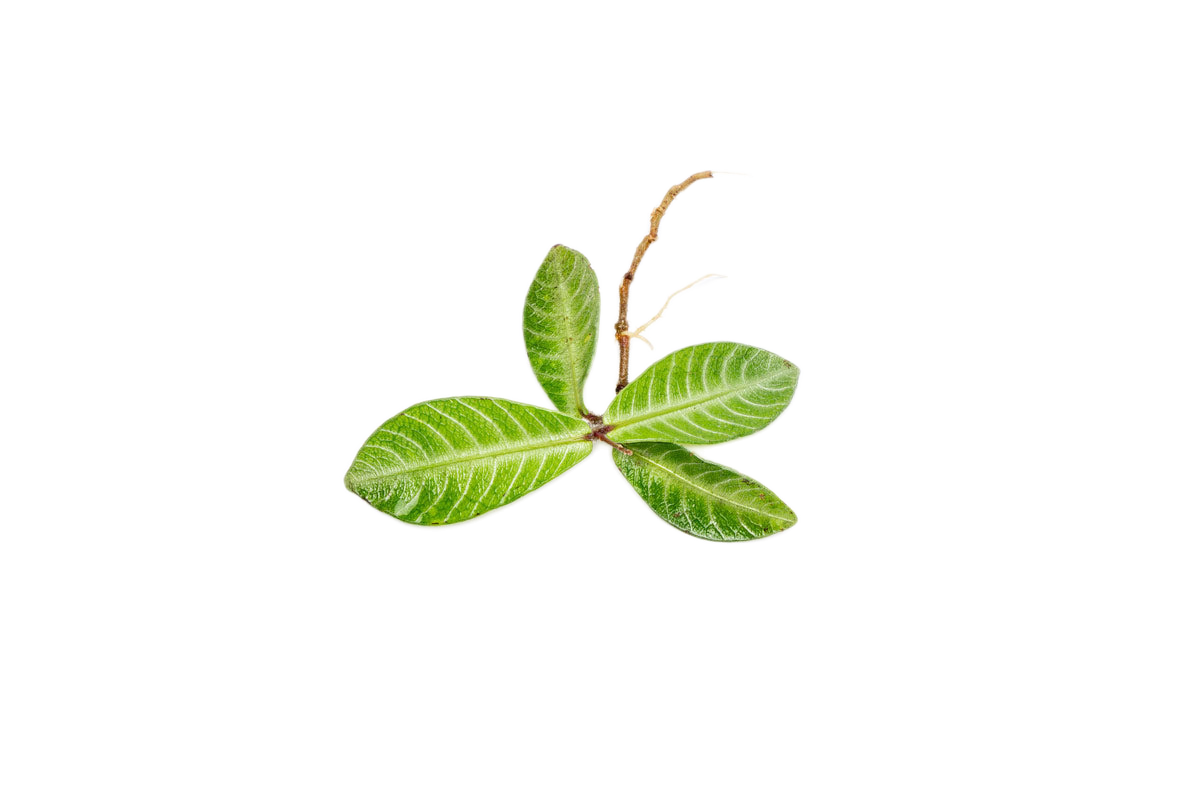
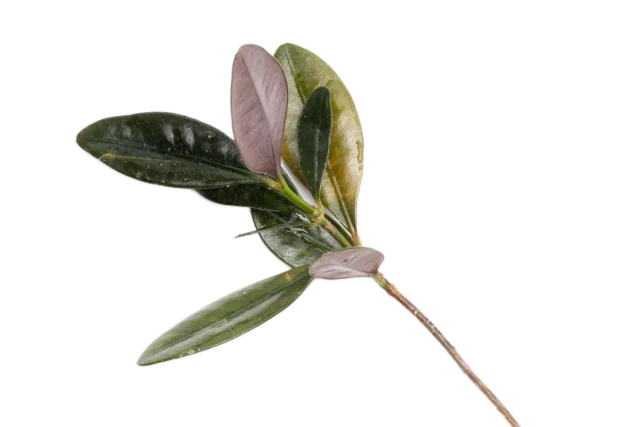
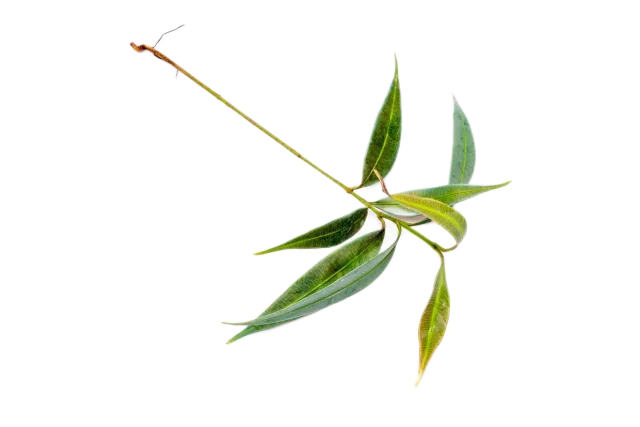
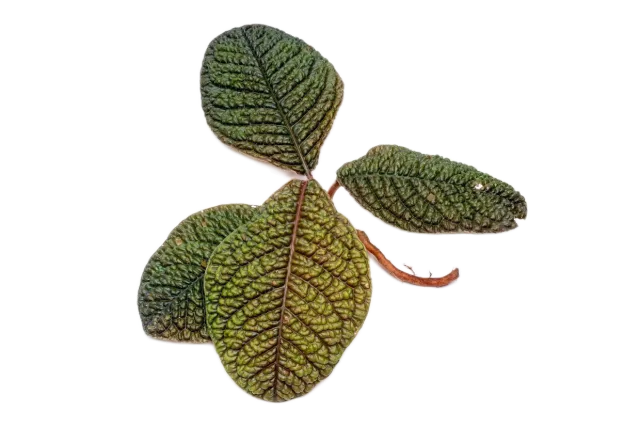
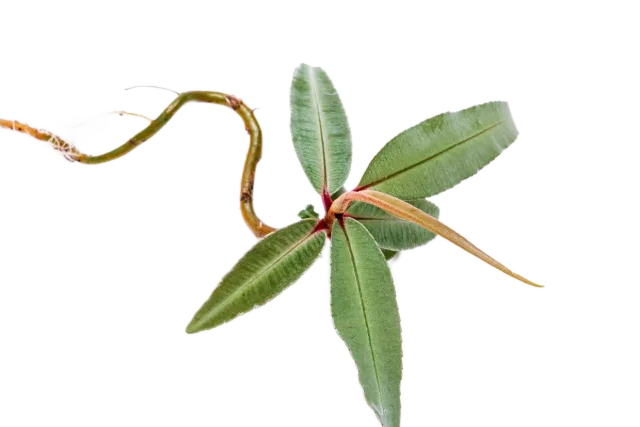
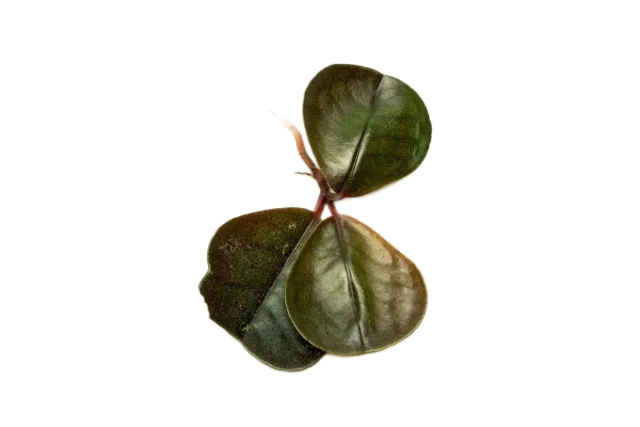
Labisia Musim is a tropical flowering plant from Asia (Primulaceae) grown as a terrarium plant, with thick, leathery, glossy ovate leaves bearing a unique reptile-scale-like pattern in shades of green and brown. It requires at least 70 percent humidity and bright indirect light, is terrestrial and must never be submerged, and grows fairly large.
Quick facts
Identity
- Also known as
- Kacip Fatimah
- Synonyms
- Labisia pumila var. alata; Labisia pumila var. lanceolata; Labisia pumila var. pumila
- Environment
- Terrestrial
- Native to
- Malaysia, Sumatra, Java, Borneo, Thailand, Cambodia, New Guinea
- Habitat
- Deep shade of lowland and hill rainforest floor, growing among leaf litter and decomposing organic matter in consistently humid, stable microclimates
- Sourcing
- Captive-bred
- Conservation
- Not Evaluated
Care
- Care level
- Moderate
- Growth form
- Rhizome
- Max height
- 4 – 10 in (10 – 25 cm)
- Spread
- 8 in (20 cm)
- Growth rate
- Slow
- Placement
- Foreground
Water
- Temperature
- 70 – 80 °F (21 – 27 °C)
- Humidity
- 70 – 90%
Planting
- Substrate
- Nutrient-rich preferred
- Feeds from
- Roots
- Fertilizer needs
- Low
- Colors
- Green, Brown, Pink
Feeding & breeding
- Propagation
- Rhizome division, Cuttings
Something wrong or missing? Submit a correction
Care guide
Overview
Rainforest floors of Malaysia and neighboring Sundaland islands produced this low rosette, where deep shade and steady humidity shaped its leathery, ovate leaves. The foliage carries a reptile-scale-like pattern in green and brown tones, growing slowly from a shallow rhizome. Best suited to a closed, humid terrarium with filtered light rather than an open terrestrial setup.
Care
This understory rosette plant does best in a closed terrarium or vivarium where humidity and temperature stay stable, mimicking the shaded rainforest floor it comes from in the wild. Bright indirect or filtered light works better than direct sun or intense grow lights, which quickly bleach or scorch the leathery, patterned leaves. Growth is slow, so infrequent repotting and a light touch with maintenance suit it well, and a chunky, airy substrate of orchid bark, sphagnum, and perlite keeps roots from sitting in stagnant moisture.
Planting & trimming
Plant the rhizome shallowly with roots settled into a loose, well-draining aroid-style mix, keeping the crown at or just above the substrate surface rather than burying it. It is strictly terrestrial and must never be submerged or placed in standing water, making it suitable only for the land portion of a paludarium or a humid vivarium/terrarium. Positioning toward the back or beneath taller companion plants helps recreate the filtered light of its native forest floor.
Fertilizing
Feed sparingly with a balanced liquid fertilizer diluted to around quarter strength every two to four weeks during active growth. Heavy fertilizing is unnecessary given the slow growth rate, and excess nutrients can build up in the small substrate volume typical of terrarium plantings. Yellowing leaf tips can indicate mineral buildup from hard tap water, so filtered or rainwater is preferable for irrigation.
Propagation
Propagation is done by dividing the creeping rhizome or by leaf and stem cuttings, both of which root readily under humid conditions. Cuttings are commonly sold with just two to four leaves attached and will establish slowly given the plant's naturally unhurried growth rate. Seed propagation is possible but rarely used in the hobby due to slow germination and availability of easier vegetative methods.
Problems
Browning or crisping leaf edges usually signal insufficient humidity rather than disease, and are the most common complaint with this species outside a closed enclosure. Overly wet, compacted substrate can lead to rot at the rhizome, so drainage matters as much as moisture retention. Direct or overly intense lighting causes visible bleaching and scorch marks on the leaves within days.
Sources
Varieties in the catalog
More Terrarium plants
Something wrong or missing? Submit a correction
In the community
Popular tanks using Labisia Musim
No public tanks are showcasing Labisia Musim yet.