
Aquatic Plant
Labisia Jangkang
Labisia sp.PrimulaceaeTerrarium plants
Price: $52.99 USD
Add from My tanks →1 photos
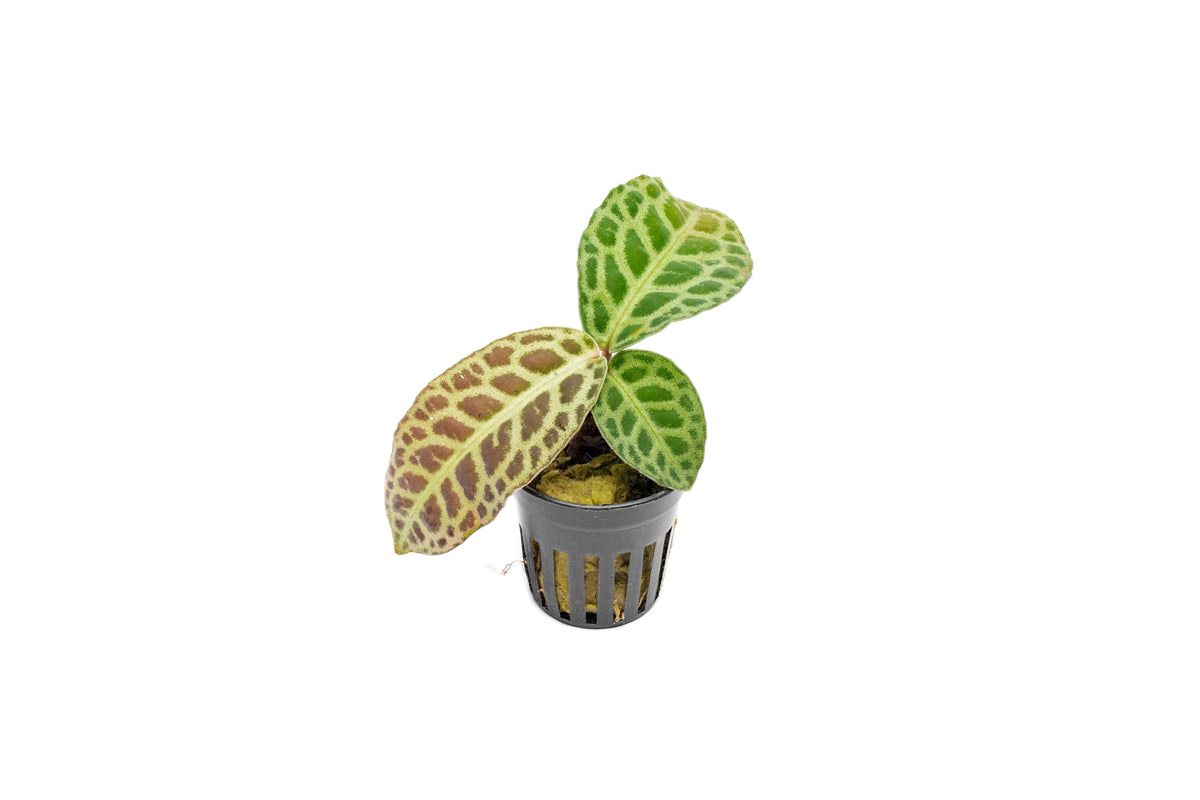
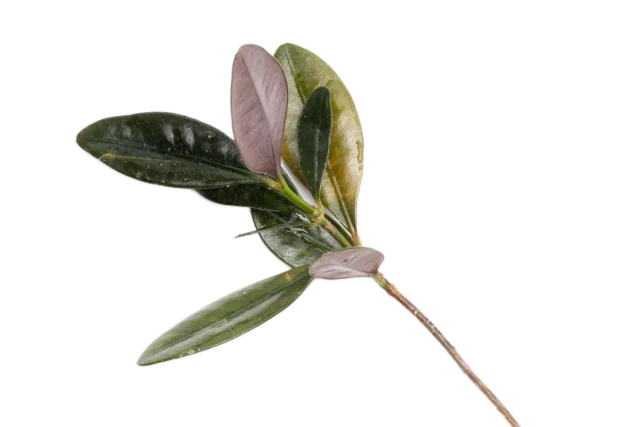
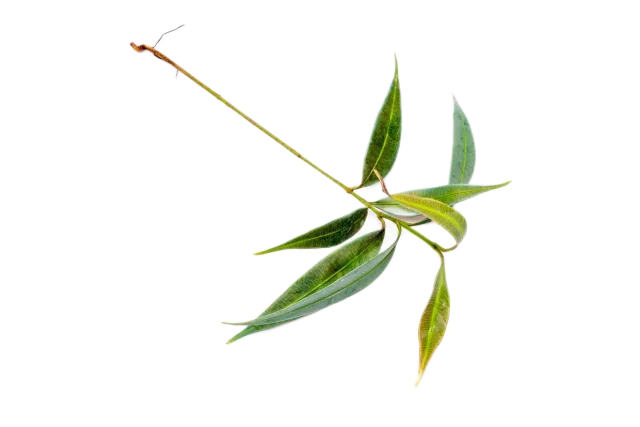
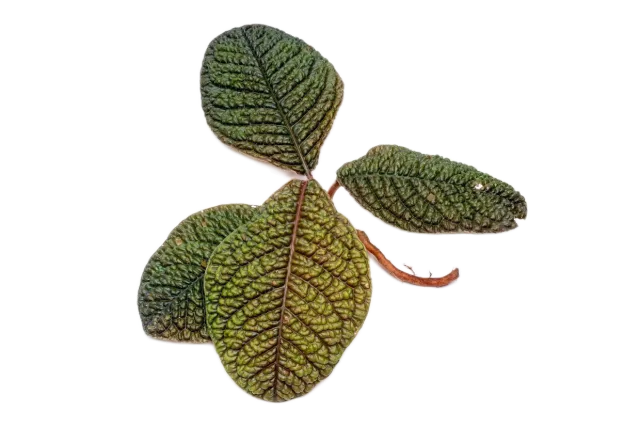
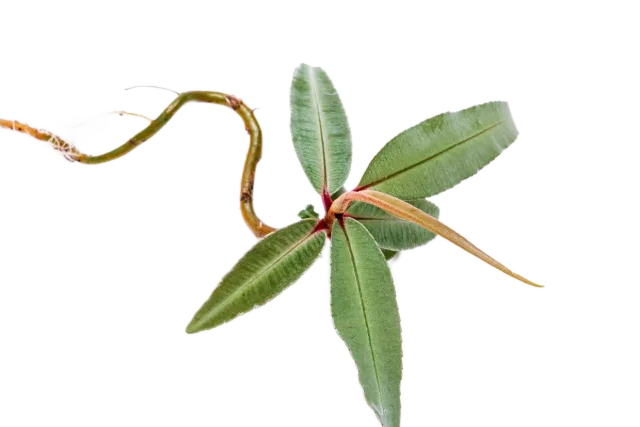
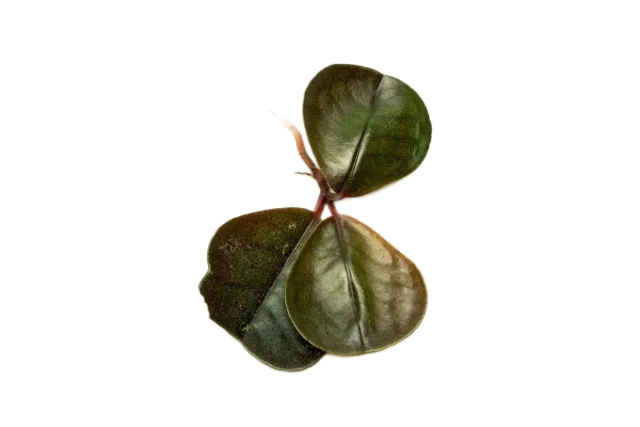
Labisia sp. 'Jangkang' is a rare flowering tropical plant from the Jangkang region, with distinctive oval leaves bearing a turtle-like pattern and neon-colored veins. Intermediate care, it thrives in high humidity, moist soil and indirect light, and dies if submerged; it grows fairly large and is suited to sizable terrarium setups.
Quick facts
Identity
- Also known as
- Jangkang Turtle Back; Neon Vein Jangkang
- Synonyms
- Ardisia amplexicaulis (for some trade forms)
- Environment
- Freshwater
- Native to
- Malaysia, Indonesia (Borneo, Sumatra), Thailand, Philippines
- Habitat
- Deep shade of the lowland and hill rainforest floor, growing among leaf litter and decomposing organic matter in Southeast Asia
- Sourcing
- Captive-bred
- Conservation
- Not Evaluated
Care
- Care level
- Moderate
- Growth form
- Rosette
- Max height
- 10 in (25 cm)
- Spread
- 12 in (30 cm)
- Growth rate
- Slow
- Placement
- Foreground, Midground
Water
- Temperature
- 68 – 80 °F (20 – 27 °C)
- Light
- Low
- CO₂
- Not needed
Planting
- Substrate
- Nutrient-rich preferred
- Feeds from
- Roots
- Fertilizer needs
- Low
- Colors
- Green, Brown, Multicolor
Feeding & breeding
- Propagation
- Rhizome division, Cuttings
Something wrong or missing? Submit a correction
Care guide
Overview
Collected from the Jangkang forests of Southeast Asia, this form carries oval leaves marked with a turtle-shell pattern and thin, luminous veining. It stays low-growing but can spread widely, so it suits sizable enclosed terrariums with stable humidity. Never allow submersion, and keep light filtered to preserve the venation.
Care
This rhizomatous understory plant from Southeast Asian rainforests is grown for the patterned, often silvered or veined foliage that develops under the low, diffuse light of a closed terrarium or vivarium. It needs consistently high humidity, filtered indirect light, and moist but well-drained substrate to hold its leaf coloration and avoid browning edges. Growth is slow, so plants take time to fill in, and stable warm temperatures with no direct sun exposure are important for long-term health.
Planting & trimming
Plant the rhizome shallowly in a moisture-retentive but well-draining substrate such as a bioactive terrarium mix, keeping the crown at or just above the surface rather than buried. Site it in a shaded spot beneath taller companion plantings or toward the back of an enclosed terrarium away from direct light. Established clumps can be divided along the creeping rhizome to create new plantings.
Propagation
Propagation is primarily by division of the creeping rhizome once a clump has produced multiple growth points, or by stem cuttings taken with a few leaves attached and rooted in humid, enclosed conditions. New divisions are slow to establish and benefit from stable high humidity while rooting.
Problems
Low ambient humidity is the most common cause of decline, showing up first as browning or crisping leaf edges and eventually leaf drop. Direct or overly intense lighting will bleach the patterned foliage and can scorch leaves, dulling the metallic sheen that makes the plant desirable. Root or rhizome rot can occur if the substrate stays waterlogged rather than evenly moist.
Sources
Varieties in the catalog
More Terrarium plants
Something wrong or missing? Submit a correction
In the community
Popular tanks using Labisia Jangkang
No public tanks are showcasing Labisia Jangkang yet.