
Aquatic Plant
Java Fern Lettuce/ Microsorum Latifolia
Microsorum pteropusPolypodiaceaeJava Ferns
Price: $34.99 USD
Add from My tanks →1 photos
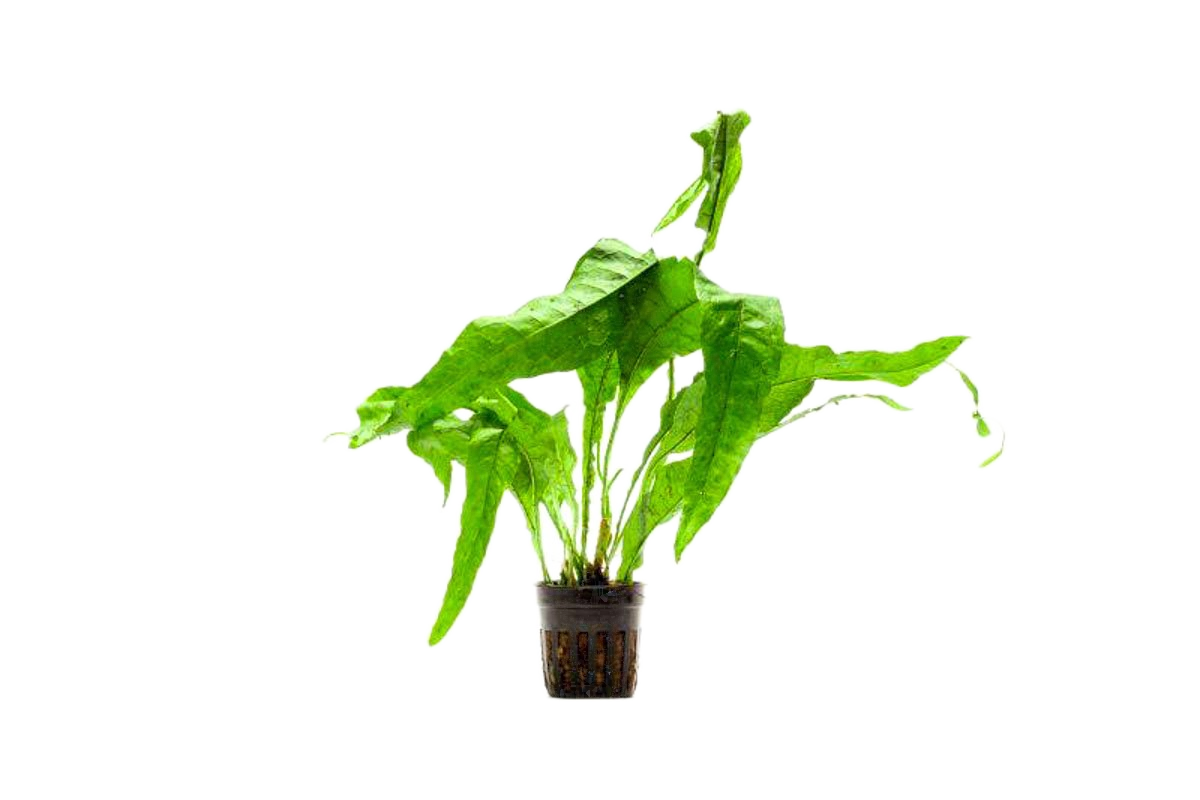
Microsorum Pteropus Latifolia, aka Java Fern Lettuce, features large dark-green leaves with a ruffled shape and texture. Popular with beginners and enthusiasts for easy care, it attaches to driftwood or rocks and is one of the few plants herbivorous fish won't eat; keep rhizomes above substrate.
Quick facts
Identity
- Also known as
- Java Fern Latifolia; Broad Ruffle Java Fern; Microsorum pteropus Latifolia
- Synonyms
- Leptochilus pteropus; Polypodium pteropus; Microsorum pteropus 'Windelov'
- Environment
- Freshwater
- Native to
- Malaysia, Thailand, Indonesia, Southeast Asia
- Habitat
- Streams, rivers and waterfalls in tropical Southeast Asia, growing attached to rocks, wood and roots both submerged and along humid banks above the waterline
- Sourcing
- Captive-bred
- Conservation
- Not Evaluated
Care
- Care level
- Easy
- Growth form
- Rhizome
- Max height
- 3 – 12 in (7.6 – 30 cm)
- Spread
- 12 in (30 cm)
- Growth rate
- Slow
- Placement
- Midground, Background, Epiphyte
Water
- Temperature
- 68 – 82 °F (20 – 28 °C)
- pH
- 6.0 – 7.5
- GH
- 2 – 15 dGH
- PAR
- 15 – 40 PAR
- Flow
- Low-Moderate
- Light
- Low
- CO₂
- Beneficial
Planting
- Substrate
- Not needed
- Feeds from
- Water column
- Fertilizer needs
- Low
- Colors
- Green
Feeding & breeding
- Propagation
- Rhizome division, Plantlets
Something wrong or missing? Submit a correction
Care guide
Overview
Grazing fish generally leave its broad, ruffled, dark-green leaves untouched, making this cultivar a durable choice for herbivore-stocked tanks. Growth is slow from a surface-hugging rhizome tied or glued to wood or rock, with tolerance for low light and a broad spread of temperature and pH.
Care
Java fern is among the most forgiving plants sold for freshwater aquariums, tolerating a wide swing in temperature, pH and hardness as long as it is never planted in substrate. The rhizome, the thick horizontal stem from which fronds and roots emerge, must sit on top of the substrate or be tied or glued to driftwood or rock; burying it invites rot and eventual death of the plant. It grows steadily under low to medium light without added CO2, though modest CO2 and moderate light will speed up frond production. Many herbivorous fish leave the tough, slightly bitter leaves alone, making it a good choice for tanks with grazing fish.
Planting & trimming
Attach the rhizome to driftwood, rock or other hardscape using cotton thread, fishing line or aquarium-safe glue, keeping the rhizome itself fully exposed above the substrate surface. Roots will grip the hardscape within a few weeks, after which ties can be removed. Older, larger leaves and any blackened fronds can be trimmed at the base to keep the plant tidy and redirect energy into new growth. It can also be left loosely weighted or floating, and adapts to being grown emersed in paludariums with high humidity.
Fertilizing
Java fern draws most of its nutrients through its leaves and roots directly from the water column rather than the substrate, so liquid fertilizer dosed regularly is more useful than root tabs. It responds well to a complete liquid fertilizer containing iron and trace elements, especially in low-tech setups where it is the main nutrient consumer. Pale new growth or transparent patches on older leaves usually point to an iron or potassium shortfall rather than a lighting problem. Because uptake is slow, overdosing fertilizer is rarely a concern with this species.
Propagation
New plants are most easily produced by dividing the rhizome with a clean cut, ensuring each section retains a few leaves and root growth. Mature leaves also develop small plantlets along their edges or tips, especially on older or damaged fronds, which can be separated once they have a few roots and small leaves of their own and tied to new hardscape. Both methods are simple and reliable, making the species easy to share or propagate at home.
Problems
Small black or brown dots on the underside of mature leaves are sori, the plant's spore-producing structures, and are a normal sign of health rather than disease. Sudden parameter swings or transplant stress can trigger blackening and disintegration of fronds, often called melt, though the rhizome usually survives and resprouts if kept clean. Because growth is slow, algae can settle on older leaves in high-light tanks; trimming affected fronds and improving flow around the plant usually resolves it. Rhizome rot from burial in substrate is the most common cause of decline reported by hobbyists.
Sources
Varieties in the catalog
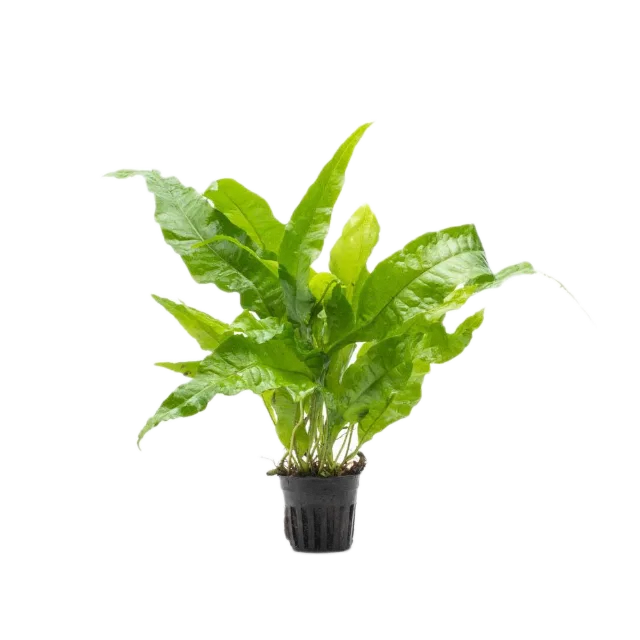
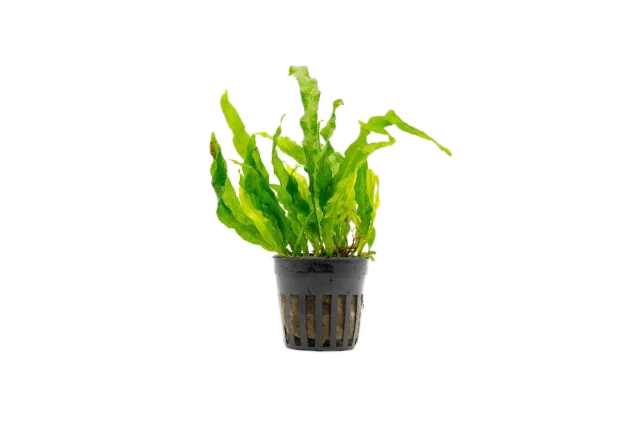
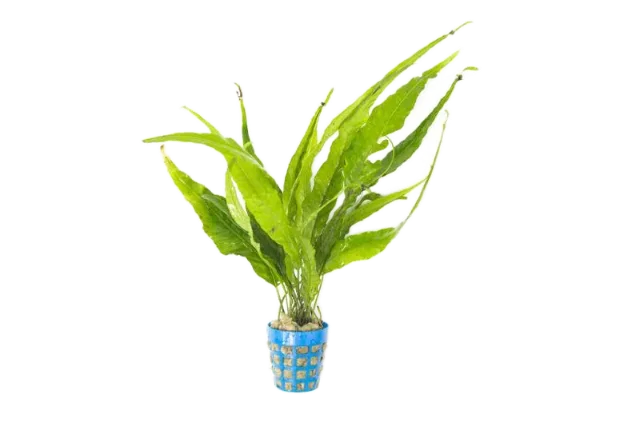
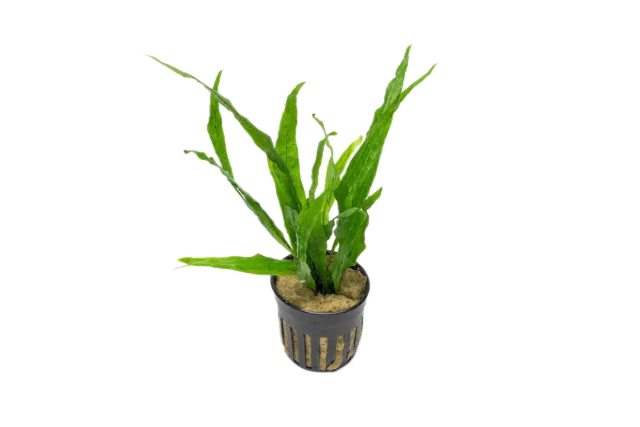
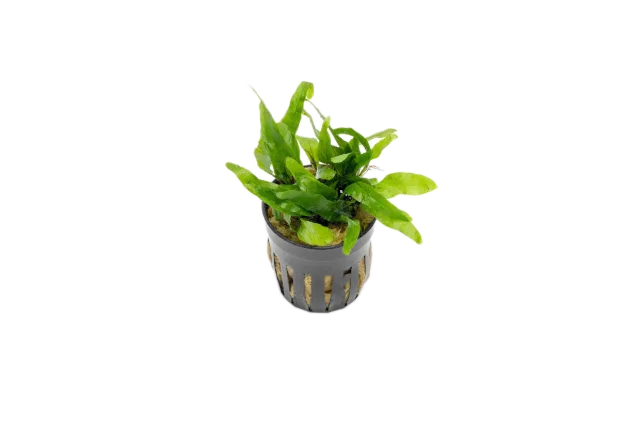
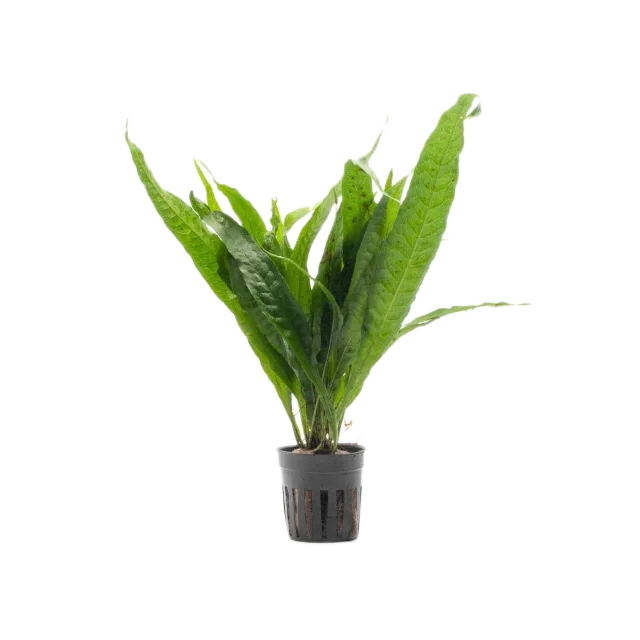
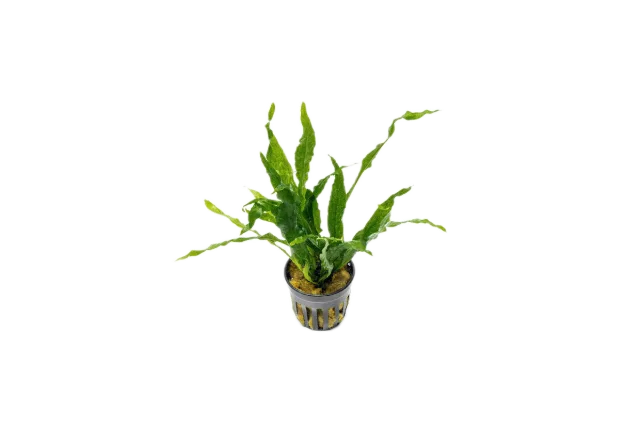
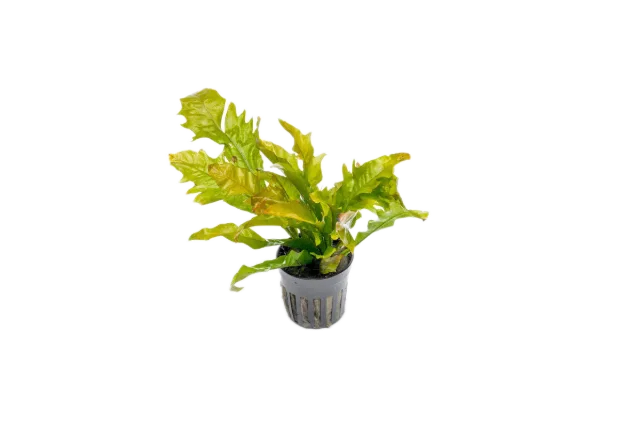
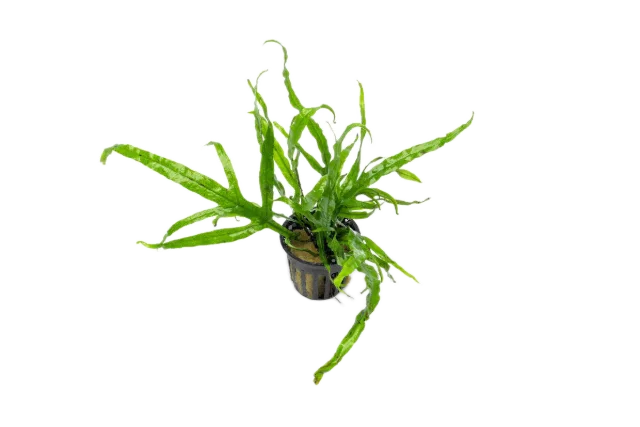
More Java Ferns
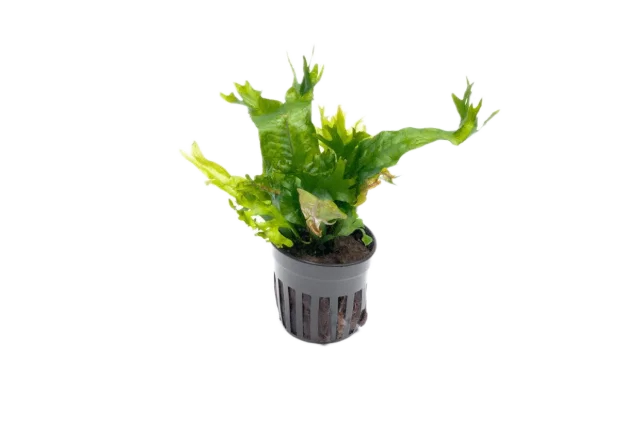
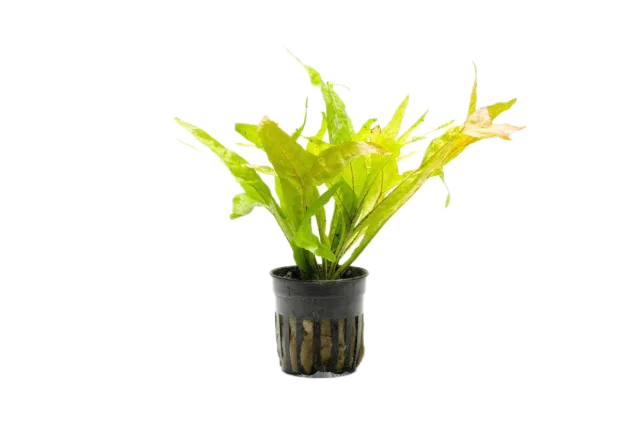
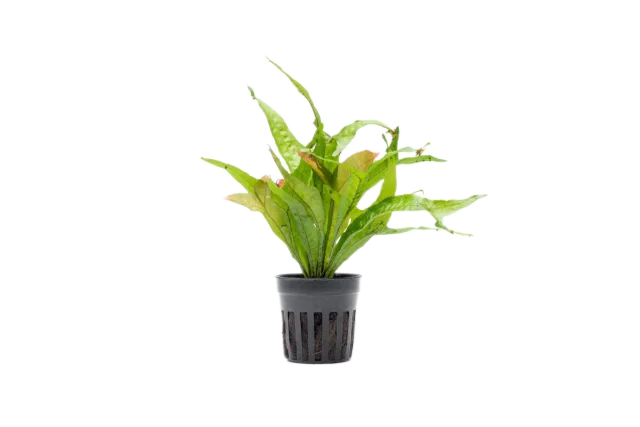
Something wrong or missing? Submit a correction
In the community
Popular tanks using Java Fern Lettuce/ Microsorum Latifolia
No public tanks are showcasing Java Fern Lettuce/ Microsorum Latifolia yet.