
Aquatic Plant
Isoetes Velata Var. Sicula
Isoetes velata var. siculaIsoetaceaeQuillworts
Price: $5.99 USD
Add from My tanks →2 photos
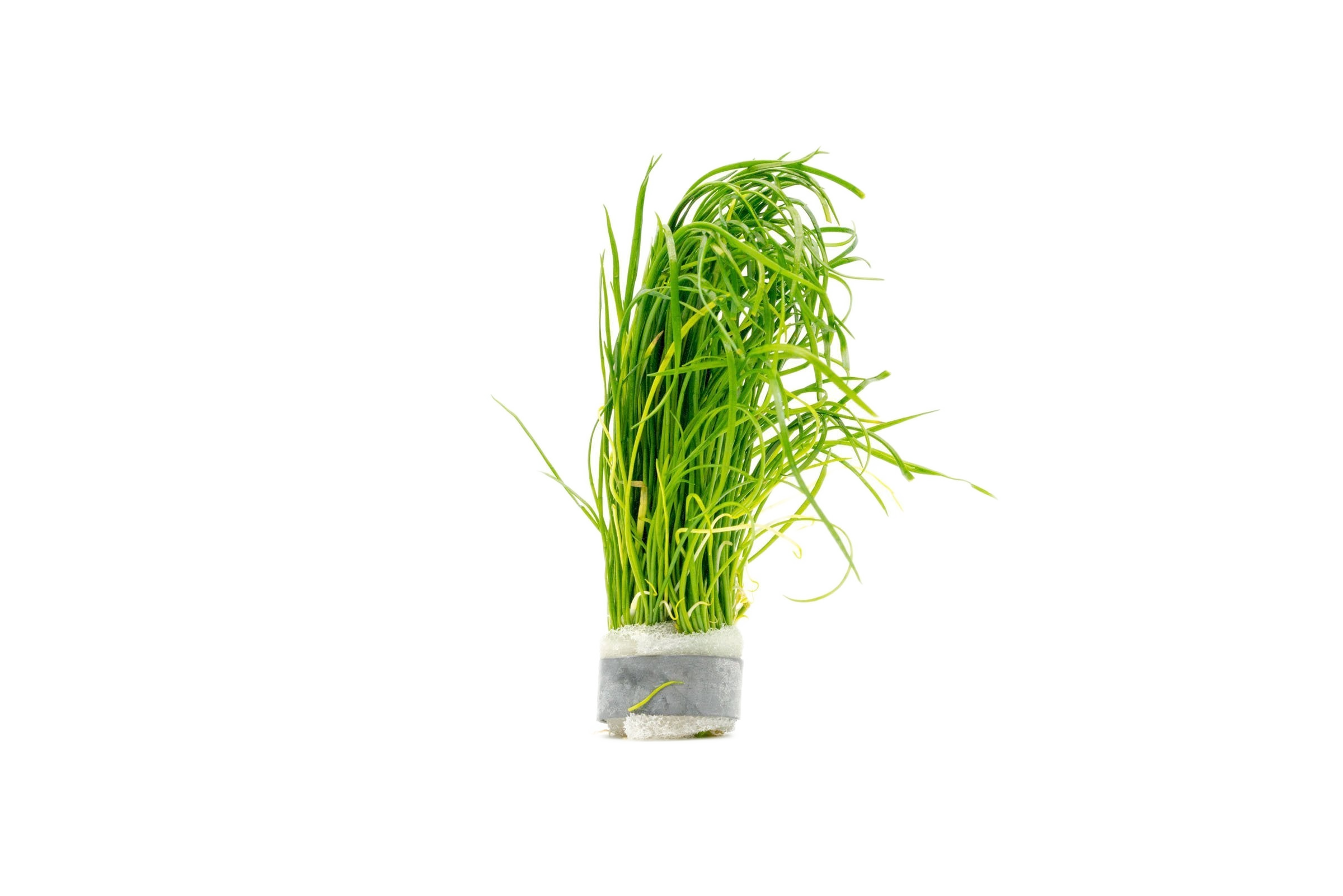
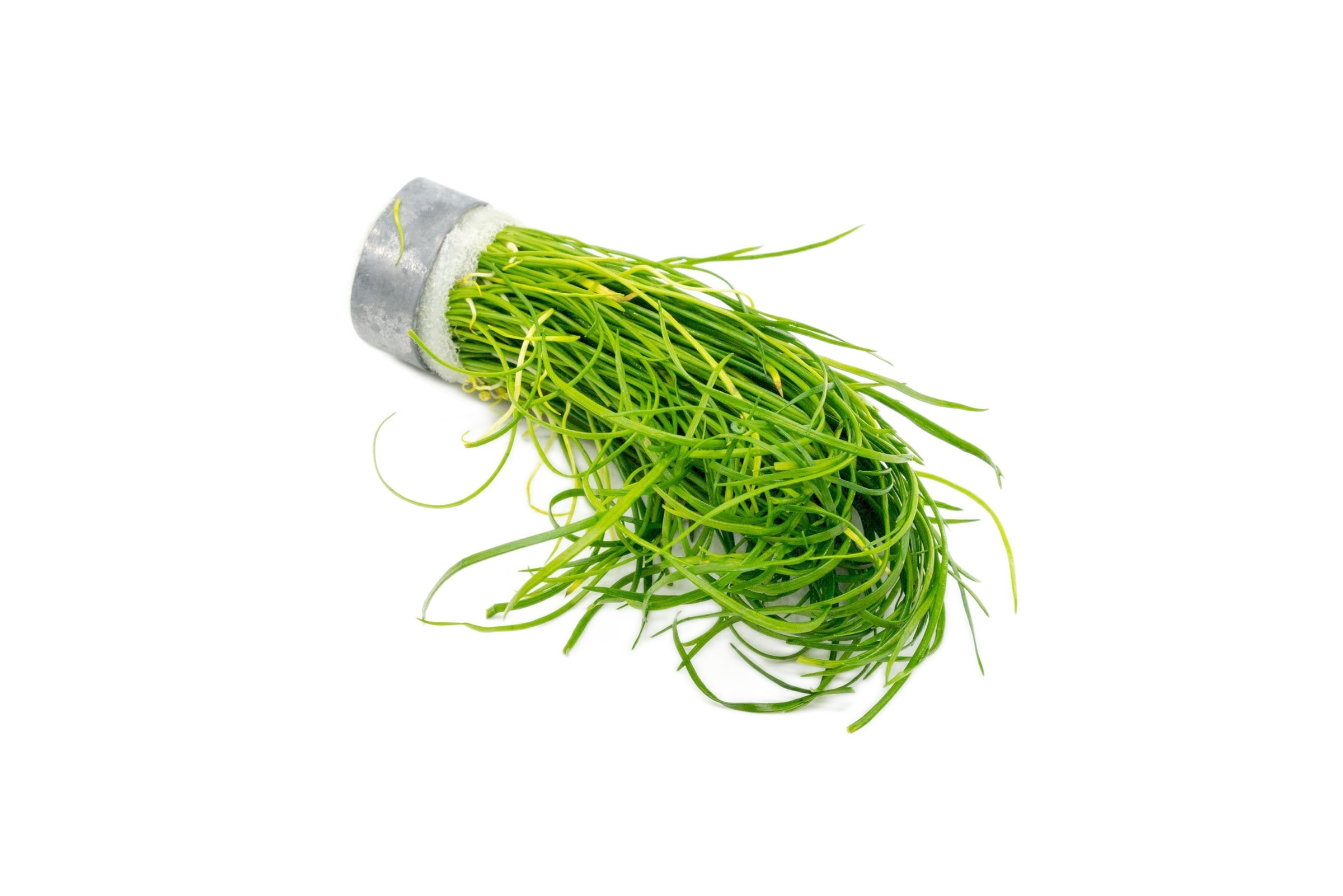
Isoetes Velata Var. Sicula, commonly known as Sicilian Quillwort, is a rare aquatic quillwort with long, tubular grass-like fronds radiating upward from a bulbous root crown. Capable of enduring a broad range of water conditions, it grows slowly to 8–15 inches, bringing clean architectural vertical lines to midground and background.
Quick facts
Identity
- Also known as
- Mediterranean quillwort; Verschleiertes Brachsenkraut
- Synonyms
- Isoetes velata subsp. sicula
- Environment
- Freshwater
- Native to
- Sicily, Sardinia, Southern Europe
- Habitat
- Temporary rain-fed pools and spring ponds that dry up in summer; survives dry periods via an underground corm
- Sourcing
- Aquacultured
- Conservation
- Not Evaluated
Care
- Care level
- Easy
- Growth form
- Rosette
- Max height
- 4 – 12 in (10 – 30 cm)
- Spread
- 6 in (15 cm)
- Growth rate
- Slow
- Placement
- Midground, Background
Water
- Temperature
- 41 – 82 °F (5 – 28 °C)
- pH
- 5.5 – 7.5
- GH
- 4 – 20 dGH
- dKH
- 0 – 15 dKH
- PAR
- 35 – 50 PAR
- Flow
- Low-Moderate
- Light
- Medium
- CO₂
- Beneficial
Planting
- Substrate
- Nutrient-rich preferred
- Feeds from
- Roots
- Fertilizer needs
- Medium
- Colors
- Green
Feeding & breeding
- Propagation
- Seeds
Something wrong or missing? Submit a correction
Care guide
Overview
Sicilian quillwort is a lycophyte, not a true fern, forming a bulbous corm from which stiff, awl-shaped green leaves radiate in a rosette. Growth is slow and best supported by a nutrient-rich substrate with the corm left slightly exposed. It tolerates a wide temperature and pH range, suiting both cold-water and tropical midground or background plantings.
Care
A slow-growing lycophyte rather than a true fern, this quillwort forms a dense tuft of stiff, awl-shaped leaves rising from a bulbous corm. It tolerates a very wide range of temperature and pH, making it workable in both cold-water and tropical setups, though it does best under medium to fairly bright light to keep the foliage upright. Growth is unhurried and demands patience, but once established the plant is not fussy about day-to-day maintenance. Avoid burying the corm too deeply, since poor circulation around the base can lead to rot.
Planting & trimming
Plant directly into the substrate in small tufts, positioning the bulbous rhizome so it is not completely covered, since the corm needs some exposure to avoid rot. It works well as a solitary specimen or in small groups in midground or background positions, and pairs visually with broader-leaved plants due to its narrow, upright form. Little trimming is needed given its slow growth; simply remove old, yellowing outer leaves as they die back.
Fertilizing
Feeds primarily through its root system, so a nutrient-rich, fine-grained substrate such as sand or fine gravel amended with clay or loam supports the strongest growth. Root tabs placed near the corm periodically help sustain new leaf production, particularly in inert substrates. CO2 injection is not required but can speed up corm development and leaf turnover when combined with adequate light.
Propagation
Propagation from spores is possible but laborious, involving mixing macrospores and powdery microspores from mature outer leaves in water before sowing onto damp substrate, either emersed or submersed. Because of this complexity, vegetative division of the corm is rarely successful and the plant remains uncommon in the trade. Most hobbyist stock originates from limited commercial propagation rather than home splitting.
Problems
The corm can rot if fully buried or if water flow near the substrate is stagnant, so it should sit with its base just at or slightly above the substrate line. Because growth is slow, the rigid leaves are prone to collecting algae or debris over time, so gentle cleaning with a soft brush is sometimes needed. Otherwise the species is hardy and rarely troubled by disease under stable conditions.
Sources
Something wrong or missing? Submit a correction
In the community
Popular tanks using Isoetes Velata Var. Sicula
No public tanks are showcasing Isoetes Velata Var. Sicula yet.