
Freshwater Fish
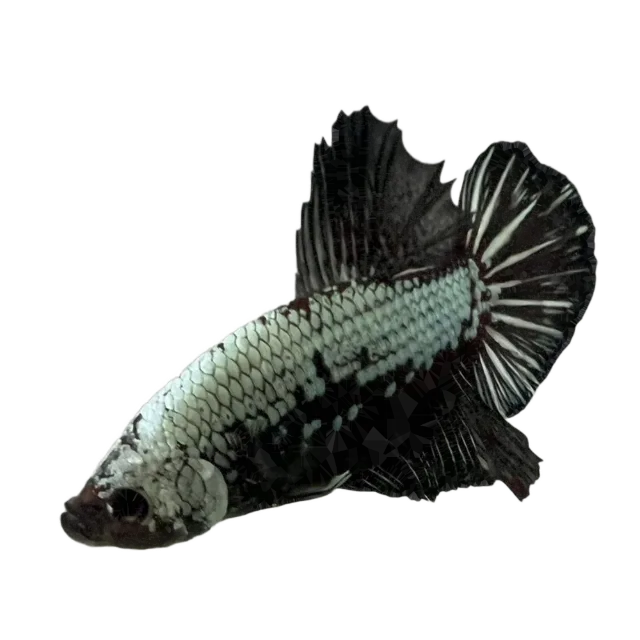
Halfmoon Male Betta Fish
Betta splendensOsphronemidaeBettas
Add from My tanks →1 photos
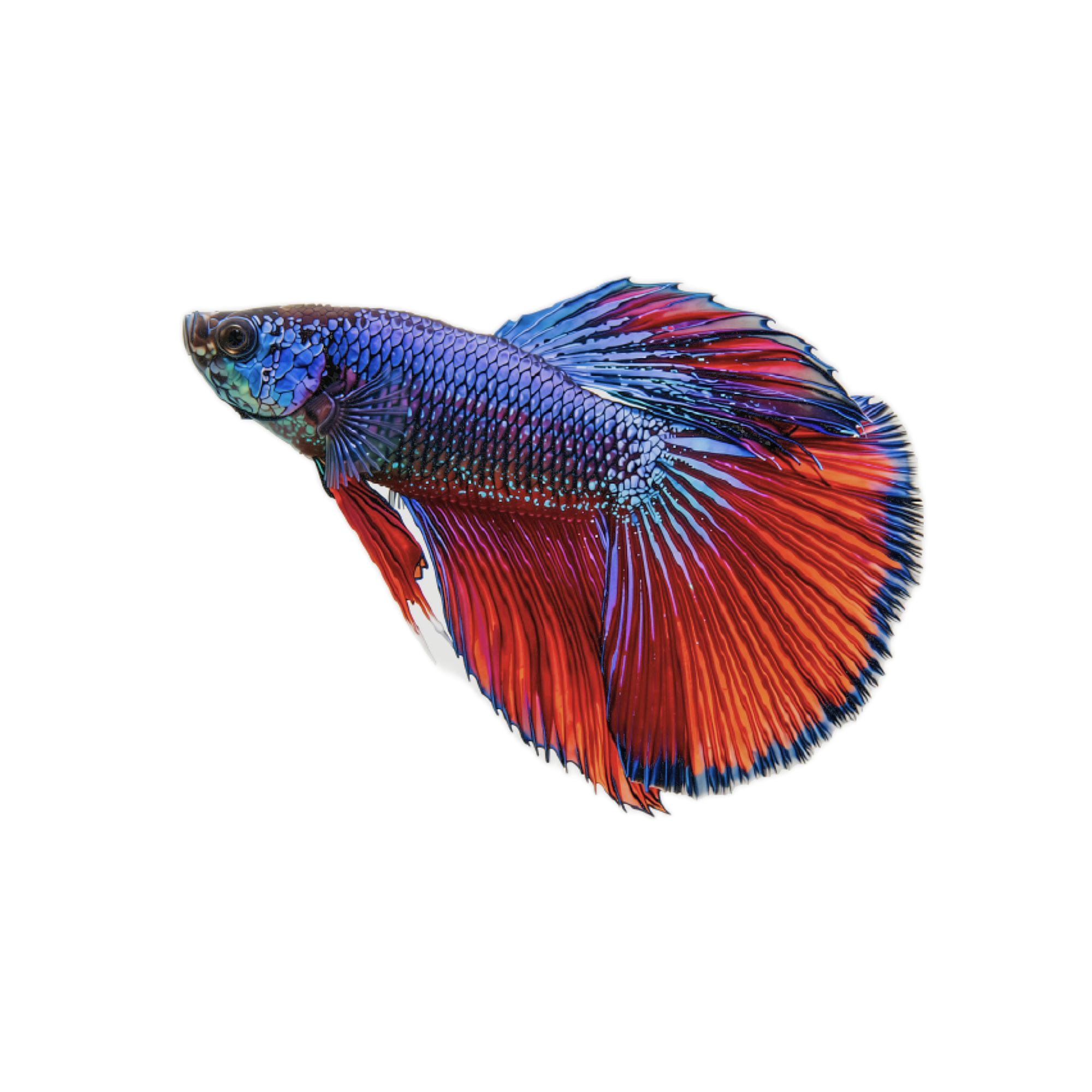
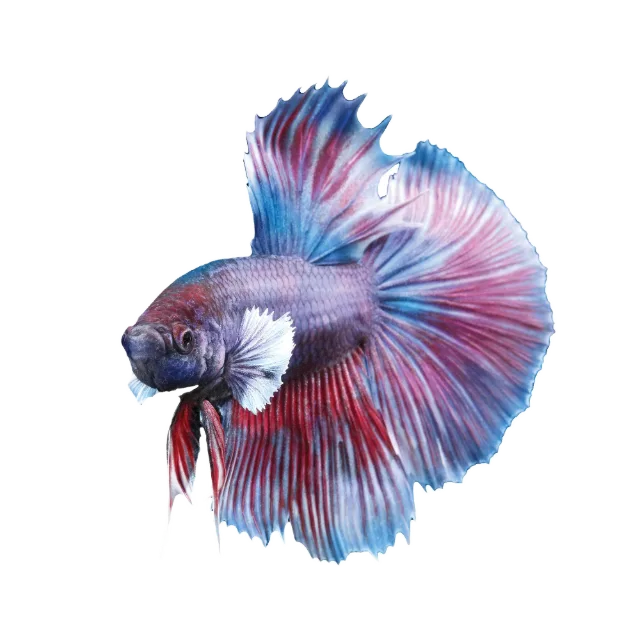
A halfmoon male betta (Betta splendens), with a 180-degree tail spread; a labyrinth fish kept singly in a heated tank of 5 gallons or more.
Quick facts
Identity
- Also known as
- Siamese Fighting Fish; Halfmoon Betta
- Synonyms
- Micracanthus marchei
- Environment
- Freshwater
- Native to
- Thailand, Cambodia, Vietnam, Laos (Mekong basin, Southeast Asia)
- Habitat
- Shallow, slow-moving or still warm waters such as rice paddies, ponds, roadside ditches and sluggish streams, often shaded by vegetation and low in dissolved oxygen.
- Sourcing
- Captive-bred
- Conservation
- Not Evaluated
Care
- Care level
- Easy
- Temperament
- Aggressive
- Adult size
- 2 – 3 in (5.1 – 7.6 cm)
- Lifespan
- 2 – 4 yrs
- Min tank
- 5 gal (19 L)
- Growth rate
- Moderate
- Placement
- Top, Middle
Water
- Temperature
- 76 – 82 °F (24 – 28 °C)
- pH
- 6.5 – 7.5
- GH
- 3 – 8 dGH
- dKH
- 3 – 8 dKH
- Flow
- Low
Behavior & compatibility
- Social
- Solitary
- Aggression to own kind
- High
- Active
- Daytime
- Plant safe
- Yes
- Shrimp safe
- With caution
Feeding & breeding
- Diet
- Carnivore
- Foods
- Pellets, Frozen, Live, Freeze-dried
- Breeding type
- Bubble nester
- Breeding difficulty
- Moderate
- Sexing
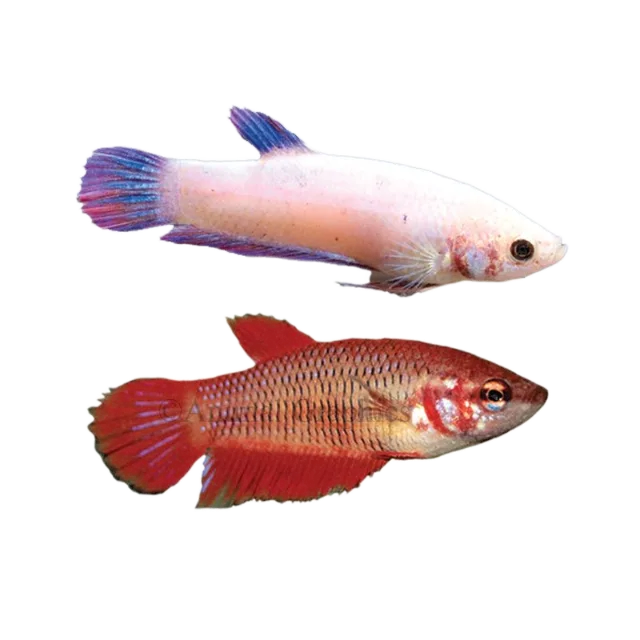
- Males have much larger, more colorful fins and a more elaborate tail shape; females are smaller, shorter-finned, and show more muted coloration with a visible ovipositor spot near the vent.
Something wrong or missing? Submit a correction
Care guide
Overview
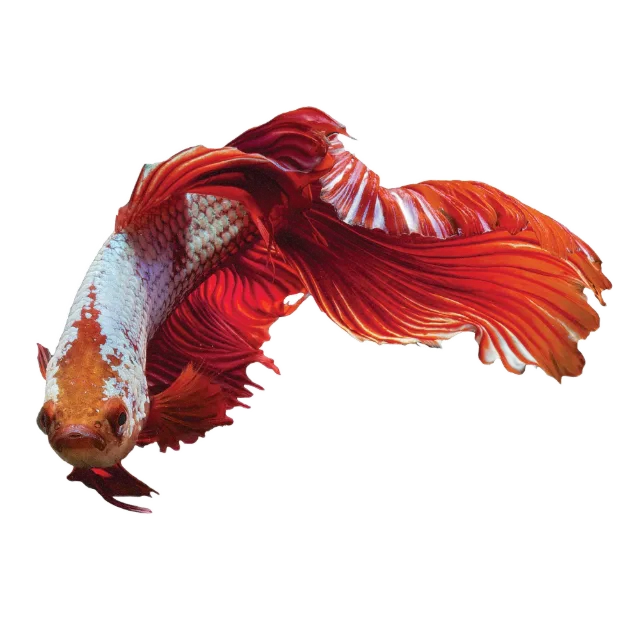
Flares its fins into a full 180-degree fan when displaying, spreading a broad tail that reveals the halfmoon shape prized in this variety. Kept solitary in a heated, filtered five-gallon-plus tank with gentle flow, it breathes air at the surface via a labyrinth organ and needs a snug lid. Fin condition depends on stable water and smooth decor.
Care
A halfmoon betta needs a heated, filtered tank of at least 5 gallons, with gentle flow since it comes from still or sluggish waters and can be stressed by strong currents. Smooth-edged decor and soft-leaved or floating plants help protect its oversized fins from tearing, and a lid with an air gap above the waterline is important since it breathes atmospheric air through its labyrinth organ. Water quality needs to stay stable, with frequent partial water changes to keep ammonia and nitrite at zero and nitrate low, as heavy finnage makes the fish more prone to fin rot and secondary infection.
Feeding
As a strict carnivore, it does best on a quality betta pellet as a staple, offered once or twice daily in small amounts it can finish within a couple of minutes. Frozen or live foods such as bloodworm, brine shrimp or daphnia a few times a week support color and condition and mimic its natural diet of small aquatic invertebrates. Overfeeding is a common problem and leads to bloating and fouled water, so portions should stay conservative.
Tank mates
Male halfmoon bettas are highly territorial toward other bettas and are best kept alone or with peaceful, fast-moving fish that avoid the surface, such as small corydoras, peaceful tetras, rasboras or non-nipping livebearers. Fin-nipping species and other anabantids should be avoided, and guppies are a common source of conflict due to their flowing fins triggering aggression. Individual temperament varies, so any tankmate combination should be watched closely and separated if bullying develops.
Breeding
Males construct bubble nests at the surface, often anchored to floating plants, and wrap around the female during spawning to fertilize eggs as they are released. The male then gathers the eggs into the nest and guards them alone, so the female should be removed promptly since she may eat the eggs. Fry require infusoria or liquid fry food initially before moving on to micro pellets or baby brine shrimp as they grow.
Health
Long-finned varieties like the halfmoon are prone to fin rot and bacterial infection when water quality slips or fins are damaged on sharp decor. Frequent small water changes and stable, clean water go a long way toward preventing these issues, and antibacterial treatment may be needed if an infection takes hold. Constant fin regrowth after damage puts ongoing stress on the fish, so minimizing abrasive tankmates and decor is worthwhile.
Sources
Varieties in the catalog
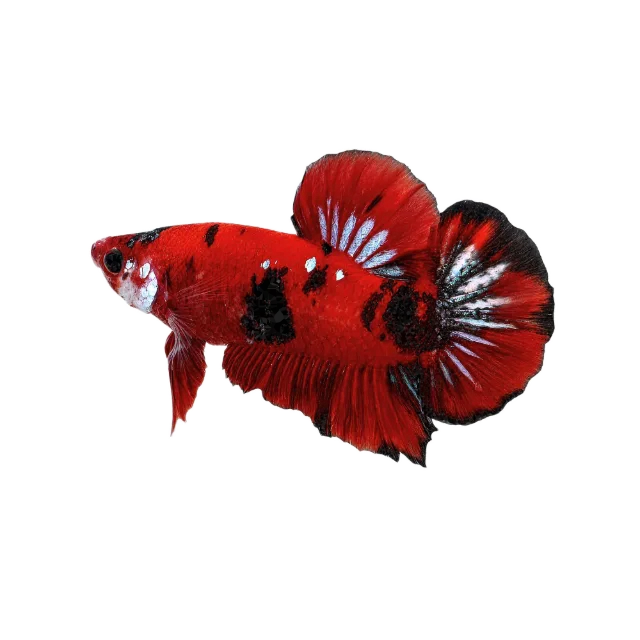
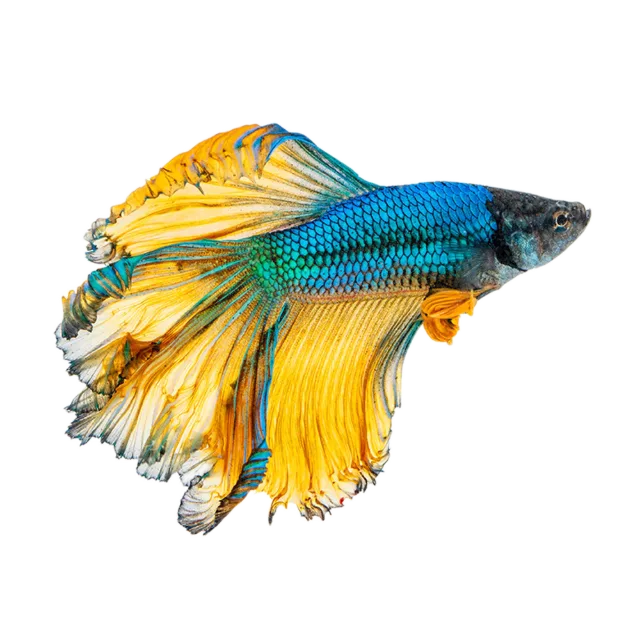
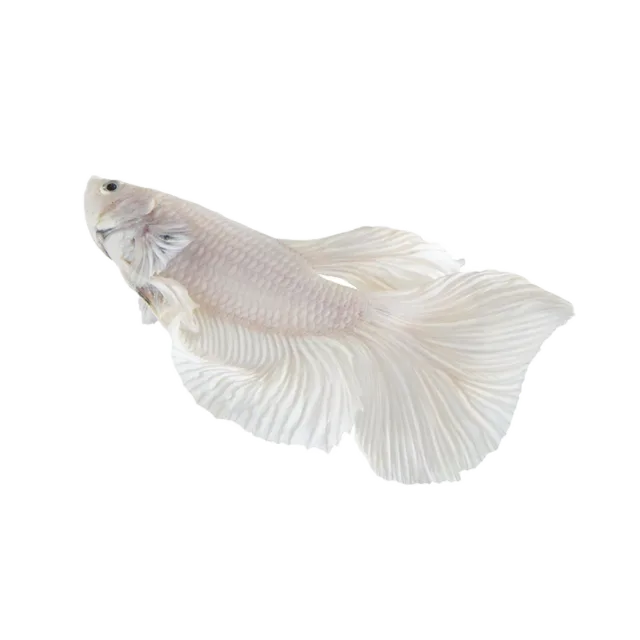
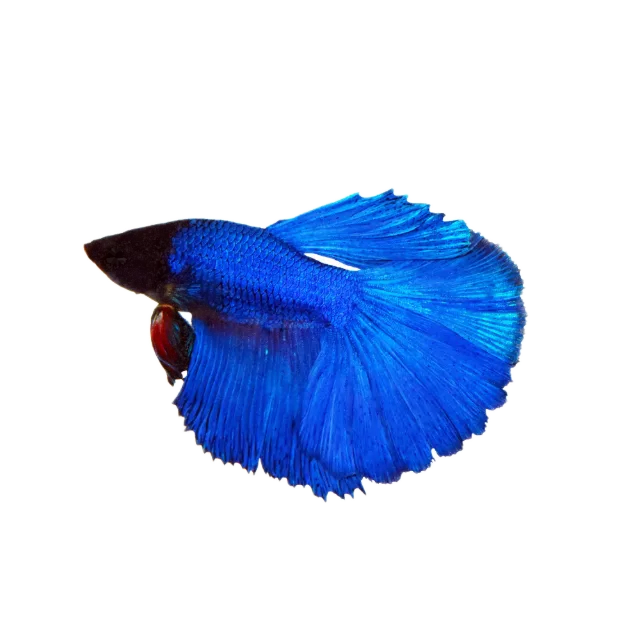
Something wrong or missing? Submit a correction
In the community
Popular tanks using Halfmoon Male Betta Fish
No public tanks are showcasing Halfmoon Male Betta Fish yet.