
Marine Invertebrates
Electric Flame Scallop
Lima sp.LimidaeClams & Scallops
Price: $21.15 USD
Add from My tanks →1 photos
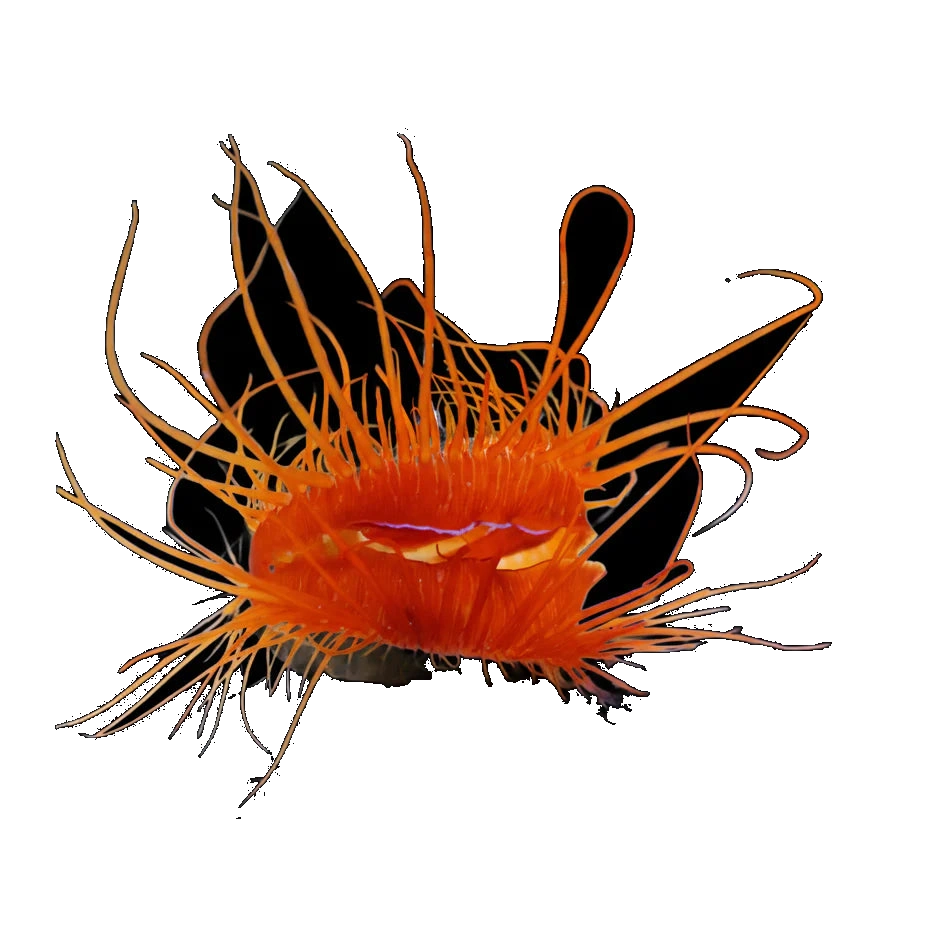
The Electric Flame Scallop (Lima sp.), also called the Red Electric Flame Scallop, has a brilliant red mantle with vivid red tentacles and produces a lightning-like flashing effect along the mantle edge from specialized reflective tissue. It is a specialized filter feeder needing a mature reef aquarium with frequent feeding of phytoplankton and microplankton, advanced care, and never expose it to copper-based medications.
Quick facts
Identity
- Also known as
- Red Electric Flame Scallop; Electric Disco Clam
- Environment
- Saltwater
- Native to
- Indo-Pacific
- Habitat
- Crevices and protected spots among live rock and coral rubble on reefs, where it wedges itself in place using byssal threads
- Sourcing
- Wild-caught
- Conservation
- Not Evaluated
Care
- Care level
- Expert Only
- Temperament
- Peaceful
- Adult size
- 1 – 4 in (2.5 – 10 cm)
- Lifespan
- 1 – 2 yrs
- Min tank
- 30 gal (114 L)
- Growth rate
- Slow
- Placement
- Bottom
Water
- Temperature
- 76 – 78 °F (24 – 26 °C)
- pH
- 8.1 – 8.4
- dKH
- 8 – 12 dKH
- Salinity
- 1.023 – 1.026 SG
- Flow
- Moderate
Behavior & compatibility
- Social
- Group
- Aggression to own kind
- Low
- Active
- Night
- Reef safe
- Yes
- Invert safe
- Yes
- Shrimp safe
- Yes
- Clean-up role
- Filter feeding
- Population boom risk
- Low
Feeding & breeding
- Diet
- Planktivore
- Foods
- Phytoplankton, Zooplankton
- Breeding type
- Broadcast spawner
- Breeding difficulty
- Not bred in captivity
- Sexing
- Sexes cannot be distinguished externally
- Target feeding
- Required
Something wrong or missing? Submit a correction
Care guide
Overview
Flashes a rapid, lightning-like shimmer along its red mantle edge as light-reflecting tissue catches ambient light, then wedges itself deep into a rock crevice using byssal threads and rarely relocates. This obligate filter feeder needs an established reef system, regular phytoplankton dosing, and a copper-free system to survive long term.
Care
This scallop needs a mature, well-established reef system rather than a newly cycled tank, since it depends on a steady natural supply of suspended microorganisms in addition to dosed foods. It settles into a crevice among live rock or rubble and wedges itself in place with byssal threads, so rockwork should include sheltered pockets rather than flat open surfaces. Water parameters must stay stable, with low nitrates and consistent calcium and alkalinity, and copper-based medications must never be used anywhere in the system. Moderate flow across its position helps deliver food to the extended mantle and tentacles.
Feeding
As an obligate filter feeder it cannot survive on light alone and must be fed phytoplankton several times a week, with additional zooplankton or other fine particulate foods supplementing the diet. Target feeding with a turkey baster or pipette aimed just upstream of the animal greatly improves feeding success compared to broadcast dosing. Many specimens starve slowly in tanks that lack sufficient standing populations of pods and phytoplankton, so regular direct feeding is considered essential rather than optional.
Tank mates
It does well alongside peaceful fish and invertebrates that ignore it, but is vulnerable to butterflyfish, wrasses, and other nippers that may pick at its exposed mantle and tentacles. Multiple individuals can be kept together as long as feeding is sufficient for the whole group. Avoid housing with aggressive crabs or predatory snails that might attack it while it is anchored in place.
Breeding
Captive reproduction is not documented in home aquariums, and this species is essentially never bred in the trade. Wild individuals are broadcast spawners that release eggs and sperm into the water column for external fertilization. All specimens available to hobbyists are wild-collected.
Health
Slow decline from inadequate feeding is the most common problem, often showing as a shrunken or retracted mantle and reduced flashing activity over time. Sudden shell clapping and swimming behavior usually indicates stress or a perceived predator threat nearby. Any exposure to copper treatments elsewhere in a shared system is fatal, so quarantine and medication protocols must avoid it entirely.
Sources
Something wrong or missing? Submit a correction
In the community
Popular tanks using Electric Flame Scallop
No public tanks are showcasing Electric Flame Scallop yet.