
Terrarium Plant
Dendroconche Annabellae
Dendroconche annabellaePolypodiaceaeEpiphytic ferns
Price: $49.99 USD
Add from My tanks →4 photos
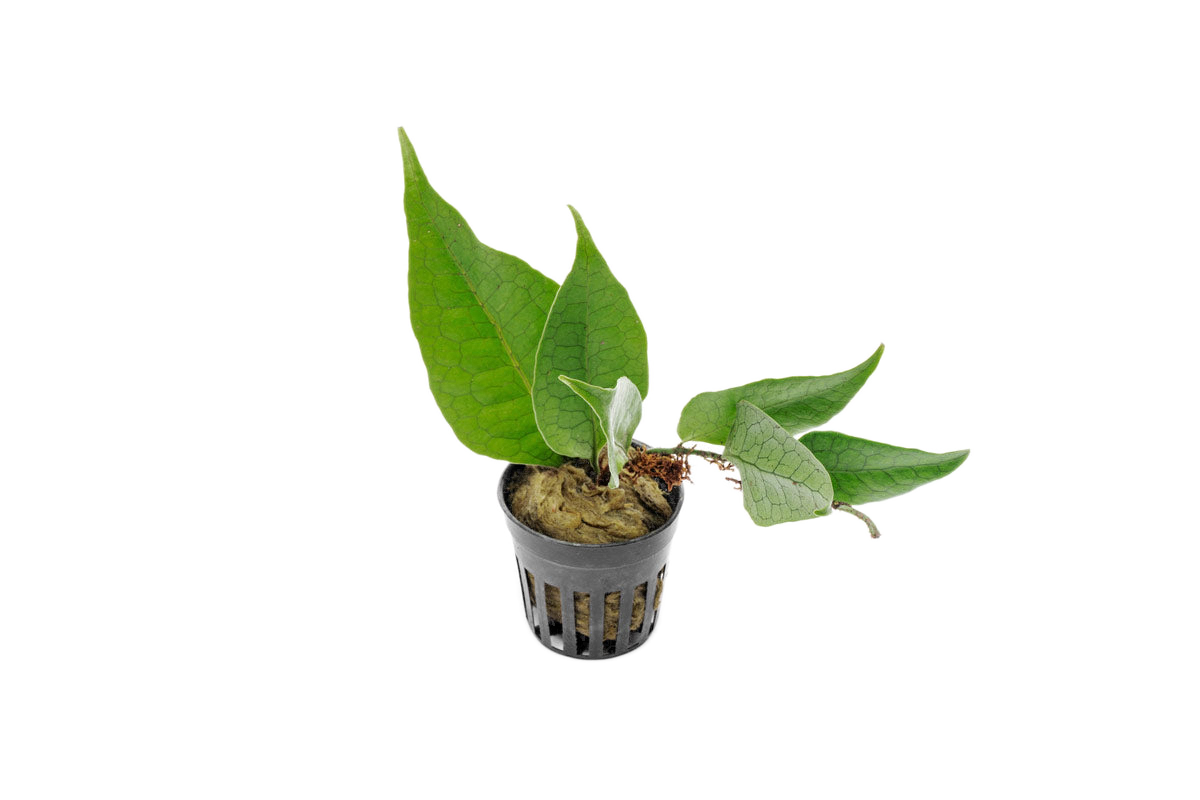
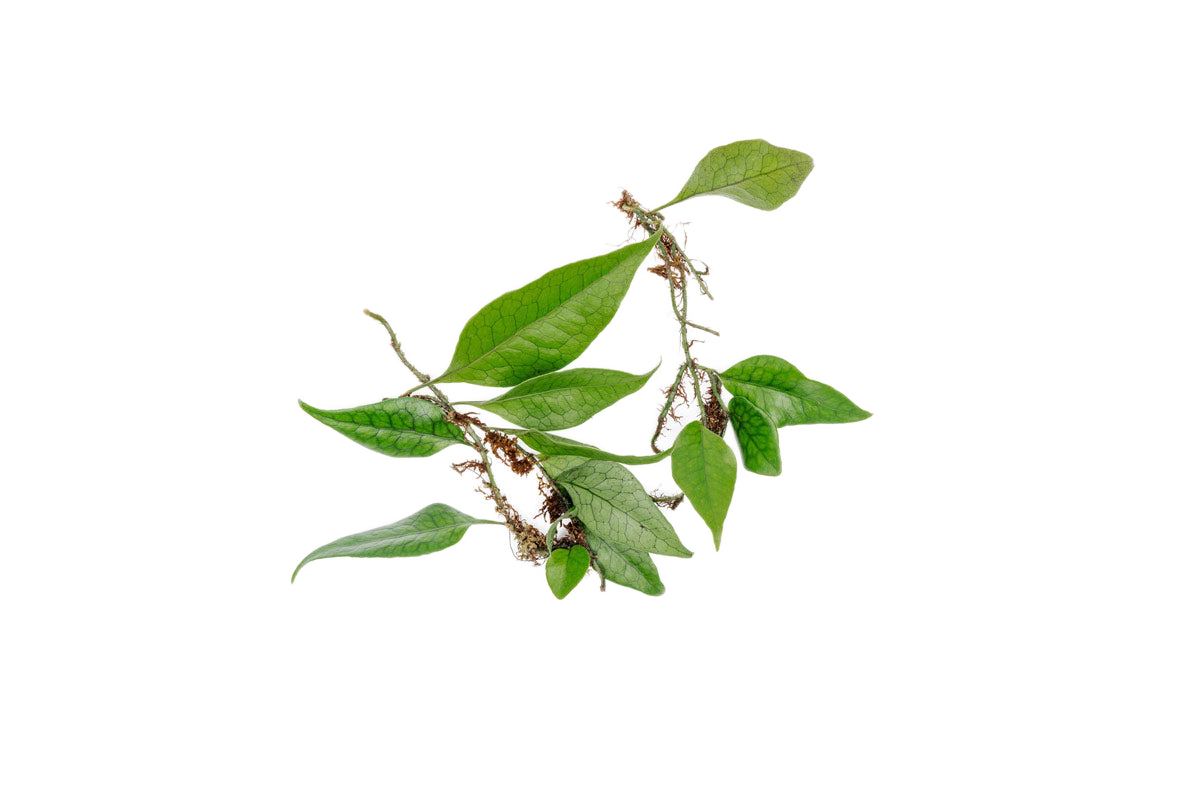
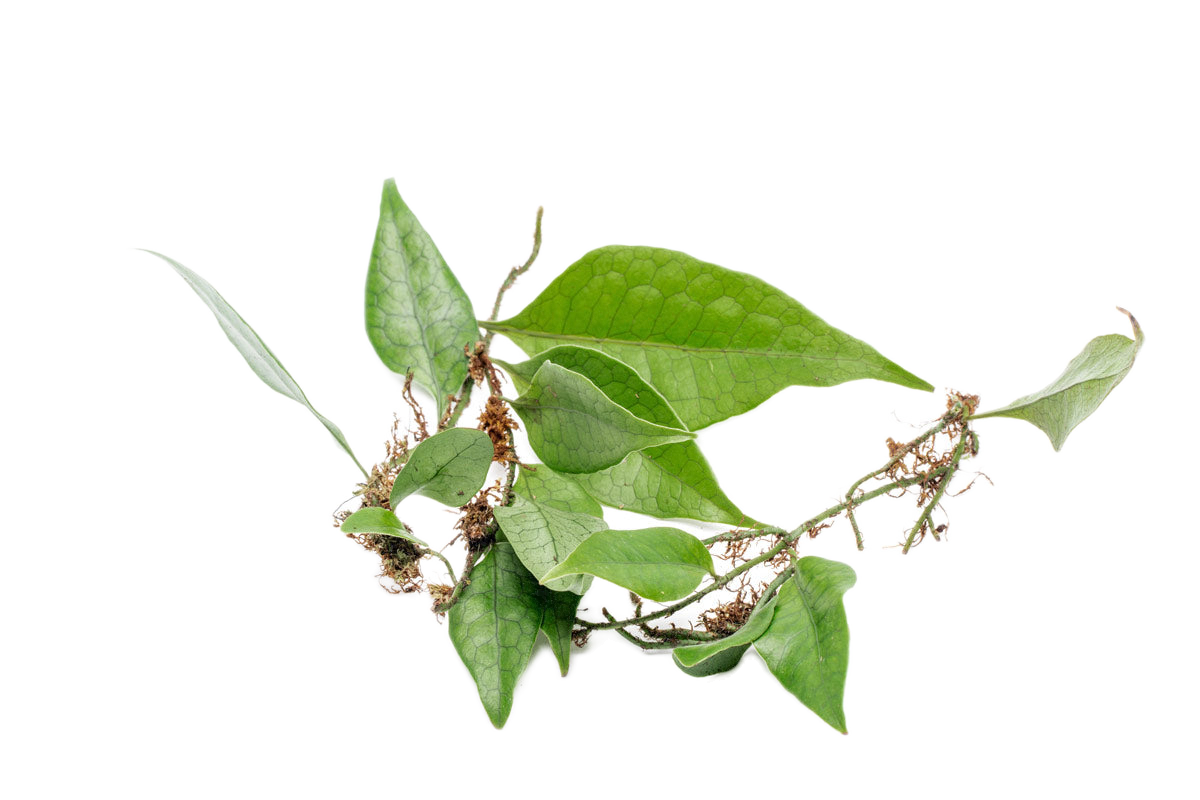
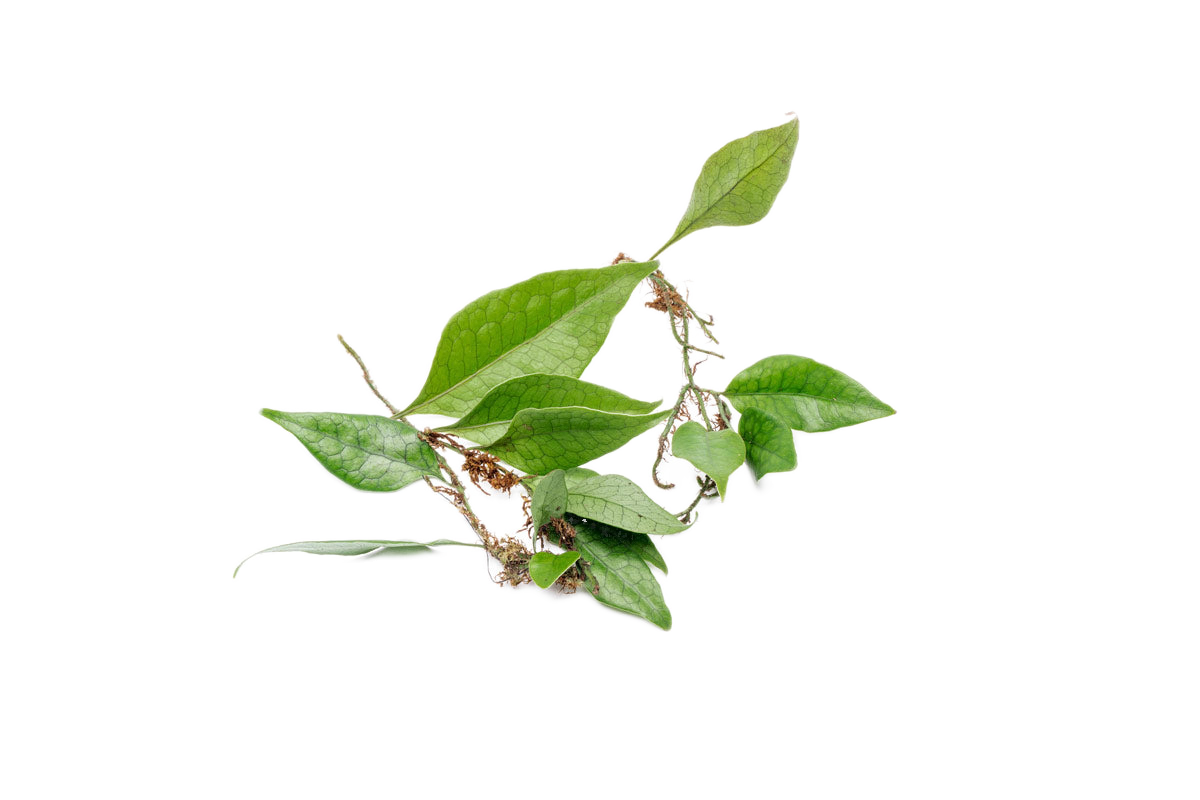
Dendroconche annabellae is a rare, striking fern native to Papua New Guinea with creeping rhizomes covered in dark brown scales and two leaf forms: small round sterile leaves and long, thin tail-like fertile leaves. It thrives mounted on wood or rock in warm, humid terrarium conditions with moderate light and consistent moisture, but does not do well submerged long-term.
Quick facts
Identity
- Also known as
- null
- Synonyms
- Lecanopteris annabellae (H.O.Forbes) Perrie & Brownsey; Microsorum linguiforme
- Environment
- Terrestrial
- Native to
- Papua New Guinea
- Habitat
- Partially epiphytic on tree trunks in montane forest at elevations of 500-1300 m, with rhizomes clasping bark and some roots entering soil or humus.
- Sourcing
- Wild-caught
- Conservation
- Not Evaluated
Care
- Care level
- Moderate
- Growth form
- Rhizome
- Max height
- 11 in (28 cm)
- Spread
- 12 in (30 cm)
- Growth rate
- Slow
- Placement
- Epiphyte
Water
- Temperature
- 70 – 82 °F (21 – 28 °C)
- Humidity
- 70 – 95%
Planting
- Substrate
- Not needed
- Feeds from
- Roots
- Fertilizer needs
- Low
- Colors
- Green, Brown
Feeding & breeding
- Propagation
- Rhizome division
Something wrong or missing? Submit a correction
Care guide
Overview
Small rounded sterile leaves press flat against bark alongside slender, tail-like fertile fronds that carry the spores, all rising from creeping rhizomes wrapped in dark brown scales. This slow-growing epiphyte from Papua New Guinea's montane forests suits mounted culture in a warm, humid terrarium or paludarium rather than submerged or potted setups. Growth is gradual, so patience is needed while roots anchor and the rhizome spreads across wood or rock.
Care
This fern grows from creeping, flattened rhizomes covered in dark brown scales, producing two distinct leaf types: small rounded sterile leaves pressed flat against bark, and longer tail-like fertile leaves that carry the spores. It does best mounted on wood or rock in a warm, humid terrarium or paludarium with medium indirect light and steady moisture without waterlogging. Good air circulation combined with high humidity helps prevent rot on the closely-appressed sterile fronds.
Planting & trimming
Attach the rhizome to a piece of wood or rock using thread, fishing line, or glue, keeping the rhizome itself exposed on the surface rather than buried, since covering it will kill the plant. Position it where it receives moderate, indirect light and consistent humidity, such as within a closed terrarium or paludarium above the waterline. New mounts benefit from misting until roots visibly attach to the surface.
Fertilizing
Light dosing of a diluted liquid fertilizer or occasional misting with a nutrient solution supports growth, since the plant draws few nutrients directly from soil once established on a mount. Yellowing or stunted fertile leaves can indicate insufficient humidity or nutrients rather than a true deficiency. Heavy fertilizing is unnecessary and can encourage algae growth on the mounting surface.
Propagation
Propagate by dividing the creeping rhizome into sections, making sure each division retains both roots and an active growing tip. Divided sections can be remounted directly onto wood or rock and will slowly spread and re-anchor over time. Growth is slow, so divisions should be handled carefully to avoid unnecessary stress.
Problems
Rot at the rhizome is the most common problem, usually from burying it in substrate or from stagnant, overly wet conditions. Inconsistent humidity can cause the fertile tail-like fronds to dry out or fail to fully develop. Fungal or bacterial issues can appear on new mounts before the roots have anchored, so airflow and cleanliness around the mounting site matter during establishment.
Sources
Something wrong or missing? Submit a correction
In the community
Popular tanks using Dendroconche Annabellae
No public tanks are showcasing Dendroconche Annabellae yet.